 Seattle Siding
 Fremont's Window Stock Is Older Than Most of Seattle's
Fremont is one of Seattle's older neighborhoods, and its housing stock reflects that. A large share of the homes here are Craftsman bungalows, early 1900s cottages, and post-war infill, many of which still carry original or first-generation replacement windows. That matters for a window installation contractor because old-house window openings rarely match modern manufacturer specs exactly. Framing has settled, sills have weathered, and previous remodels sometimes left shortcuts behind the trim that aren't visible until the old window comes out.
Common window types we find in Fremont homes
- Original single-pane wood double-hungs, often painted shut or missing weight-and-pulley function
- 1970s–1990s aluminum-frame replacements with poor thermal performance and condensation issues
- Early vinyl replacements from the 1990s–2000s nearing the end of their seal life
- A mix of window ages on the same house from partial remodels over the years
Knowing what's likely behind the trim before we start — and confirming it once the old unit is out — is the difference between a clean install and a job full of surprises.
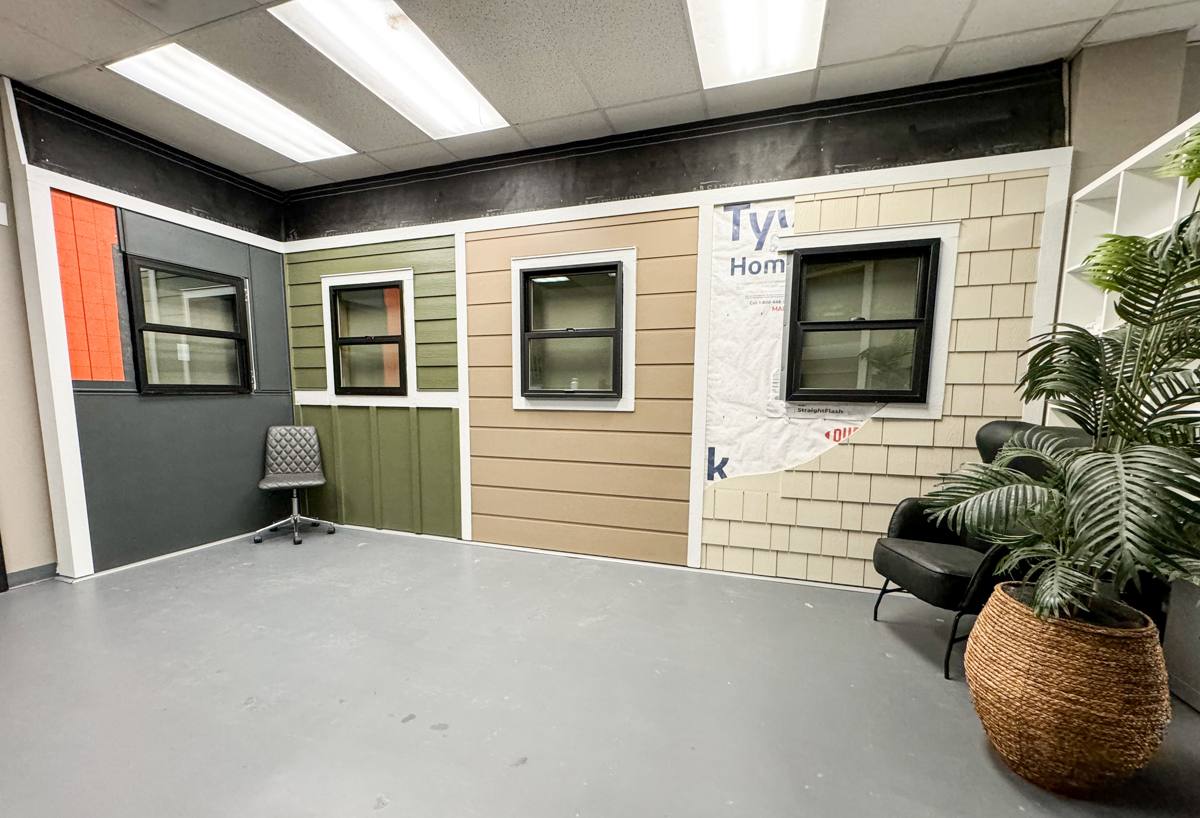
What Seattle's Climate Does to Windows Over Time
King County's marine climate is mild, but it's relentless. Windows here don't usually fail from heat or extreme cold — they fail from years of moisture exposure that slowly breaks down seals, wood, and flashing.
Driving rain and wind-driven moisture
Seattle doesn't just get rain, it gets rain pushed sideways by wind off Puget Sound, especially during fall and winter storms. Windows that were installed with minimal flashing or caulk-only sealing eventually let water past the exterior trim. That water doesn't always show up as a visible leak — it can travel down inside the wall cavity for years before it shows up as soft trim, stained drywall, or a musty smell near a window.
Moss, mildew, and shaded lots
Many Fremont lots have mature trees and tight side-yard setbacks that keep window trim and sills shaded and damp for long stretches of the year. That's ideal growing conditions for moss and mildew, which hold moisture against wood trim and accelerate rot. A window that's technically sound but sealed poorly around the frame will show this kind of wear years before its neighbor with a proper install.
Full-Frame Replacement vs. Insert Replacement
One of the first decisions on any Fremont window job is whether the house needs a full-frame replacement or can take an insert (also called a "pocket" or "retrofit") replacement. This isn't a matter of preference — it depends on the condition of what's already there.
| Factor | Full-Frame Replacement | Insert (Pocket) Replacement |
|---|---|---|
| Best for | Rotted frames, settled openings, or a change in window size/style | Sound existing frames with no rot or structural movement |
| What's removed | Old window and the surrounding frame, down to the rough opening | Just the old sash and frame; the existing exterior frame stays in place |
| Access to flashing | Full access to re-flash the opening correctly | Limited — relies on the condition of existing flashing |
| Labor and cost | Higher — more carpentry, interior/exterior trim work | Lower — faster install, less disruption |
| Common on | Original 1900s–1920s wood-frame openings with signs of rot | Sound 1990s–2000s vinyl or wood frames being upgraded |
We'll tell you honestly which one your house needs after opening things up — not before. An insert replacement quoted on a house that actually needs full-frame work is a shortcut that costs the homeowner later, not now.
What a Correct Installation Actually Involves
The window itself is only part of the job. Most of the failures we get called out to fix in older Seattle homes trace back to installation shortcuts, not bad windows.
Flashing and weather barrier integration
Every opening needs a sill pan and properly lapped flashing tape that ties into the house's weather-resistive barrier — the layer behind the siding. Flashing has to shed water down and out, never trap it inside the wall. This step is invisible once trim goes back on, which is exactly why it's the step most often skipped by crews trying to move fast.
Insulation and air sealing
The gap between the window frame and the rough opening needs to be filled with a low-expansion foam or backer rod and sealant — not stuffed with fiberglass batting, which does little to stop air movement and nothing to stop water. Poorly sealed gaps are a top cause of drafts and condensation complaints in winter.
Interior and exterior finish work
Trim, caulk joints, and paint or stain need to be finished to match the house, and exterior caulk joints need to be the right type for a wet climate — not a hardware-store caulk that shrinks and cracks within a couple of seasons.
Our Window Installation Process
- On-site assessment. We look at every window opening being replaced, not just the ones you've flagged, since Fremont homes often have hidden issues at one or two openings that haven't shown symptoms yet.
- Honest scope and quote. You'll get a clear breakdown of which openings need full-frame work versus insert replacement, and why.
- Removal and inspection. Once the old unit is out, we check the rough opening, sill, and sheathing for rot or moisture damage before anything new goes in.
- Flashing and weatherproofing. Sill pan, flashing tape, and integration with the existing weather barrier, done to current best practice regardless of what was there before.
- Window installation and leveling. Set plumb, level, and square, then fastened per the manufacturer's instructions — shimming and fastening incorrectly is a common cause of operational problems later.
- Insulation, sealing, and trim. Air-seal the gap, then finish interior and exterior trim to match the house.
- Final walkthrough. We test operation, locks, and weatherstripping with you before we consider the job done.
Choosing Materials and Glass for This Climate
Frame materials
Vinyl windows are the most common choice for Fremont homes because they don't rot, don't need repainting, and hold up well against the region's moisture. Fiberglass is a step up in dimensional stability and is worth considering on larger openings or south/west-facing walls that see more sun and temperature swing. Wood and wood-clad windows can be the right call on a house where matching original Craftsman detailing matters, but they carry a real maintenance burden in a wet climate — exposed wood exteriors need more frequent inspection and refinishing here than they would in a drier region, so we're upfront about that trade-off before anyone commits to it.
Glass packages
Double-pane, low-E glass is the practical baseline for this climate — it cuts heat loss and reduces condensation risk on interior glass during cold, damp spells. Argon-filled units add a modest efficiency bump. We size and recommend glass packages based on which direction the window faces and how exposed it is to wind-driven rain, not a one-size-fits-all spec.
What Window Installation Costs in Fremont
Every house is different, but the same handful of factors drive most of the cost difference between jobs.
| Factor | How It Affects Cost |
|---|---|
| Full-frame vs. insert replacement | Full-frame involves more carpentry, flashing work, and trim — typically the largest cost driver |
| Number of openings | Per-window pricing usually drops on larger jobs, but each opening still needs individual attention |
| Frame material | Vinyl is the most economical; fiberglass and wood-clad cost more upfront |
| Hidden rot or damage | Discovered once the old window is out — the reason quotes include a contingency conversation, not a surprise invoice |
| Window size and style | Custom shapes, large picture windows, or egress-sized bedroom windows cost more than standard double-hungs |
| Access and site conditions | Second-story windows, tight side yards, or landscaping in the way affect labor time |
We'd rather walk your specific windows and give you real numbers than quote a range that doesn't mean much for your house.
Signs Your Fremont Home Needs New Windows
- Windows are difficult to open, close, or stay open on their own
- Visible condensation or fogging between panes of double-glazed units
- Drafts you can feel near the frame, even with the window latched
- Soft, discolored, or peeling trim around the window exterior
- Moss or dark staining building up on sills and lower trim
- Noticeably higher heating bills compared to similar homes nearby
- Visible gaps between the frame and the wall, or daylight around the sash
- Single-pane glass with no storm window, especially on north- or west-facing walls
One or two of these on their own aren't necessarily urgent. Several together, especially on an older wood-frame window, usually mean the frame and flashing need attention, not just the glass.
Why Hire a Crew That Already Works in Fremont
Window installation done wrong doesn't usually show itself for a year or two — by then the crew that did it is long gone. A contractor who works Fremont regularly has seen how this neighborhood's mix of original wood-frame openings and older replacement windows actually holds up over time, and installs accordingly instead of treating every house like a generic new-construction opening. We know what to expect when we pull trim off a house built in this era, we carry the right flashing materials for King County's rain load rather than substituting whatever's on the truck, and we stand behind the work because we're not driving across the region to get back to it if something needs a look.
If you're weighing repair versus replacement, or just want a straight answer on what your windows actually need, we're glad to take a look. Reach out for a free, no-pressure estimate — use the form below to get started.