 Seattle Siding
 Windows Built for How Green Lake Actually Weathers
Green Lake homes sit under a lot of mature tree canopy, close to the water, and in one of the shadier, damper pockets of north Seattle. That combination matters more than people expect when it comes to windows. The same driving rain and long gray stretches that define our regional climate hit shaded, tree-lined blocks around the lake harder and longer than they hit an open, sunny lot a few miles away. Moisture sits. Wood stays wet longer between dry spells. Moss and algae get a head start on any surface that holds humidity, including window sills, frames, and the caulk lines around them.
None of that means Green Lake needs exotic windows. It means the basics — material choice, flashing, sealant, and installation sequencing — have to be done correctly, because this climate does not forgive shortcuts the way a drier region might. A window that's "close enough" in Spokane can fail early here.
The Housing Stock Around Green Lake
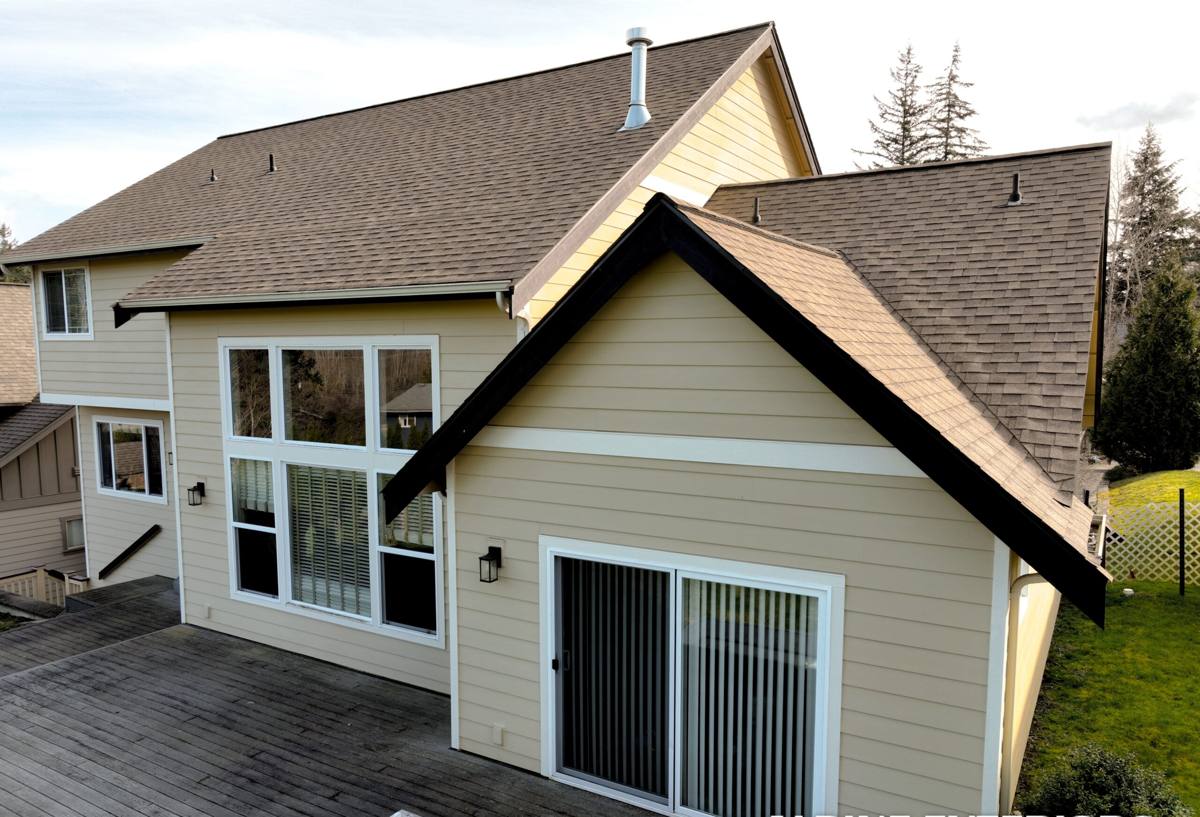
The blocks ringing Green Lake are a mix of early-to-mid-20th-century craftsman bungalows and Tudor-style homes, along with newer infill houses and low-rise condos built in the decades since. That mix creates two very different window jobs, and we treat them differently:
Older Craftsman and Tudor homes
Many of these still have their original wood sash windows, or a round of vinyl replacements installed decades ago that are now failing. Original openings are often slightly out of square after 80-100 years of settling, and the trim, siding, and interior casing were built around a specific window profile. Getting a custom fit here — rather than forcing a stock size — is what keeps the house's character intact and keeps water from finding a path around a poorly matched frame.
Newer construction and condos
Homes and units built in the last few decades typically have standard modern openings, which simplifies sizing but doesn't remove the climate problem. Builder-grade windows installed to a minimum spec are often the first thing to show wear — fogged glass, sticky vinyl tracks, or drafts — inside ten to fifteen years in a climate this consistently wet.
What a Correct Custom Window Job Actually Involves
"Custom windows" doesn't just mean picking a style. It means the window is built to the exact opening and installed with a sequence that keeps water moving out and away from the wall assembly, not into it. For Green Lake specifically, we pay close attention to:
- Accurate measurement of the existing opening, including any out-of-square conditions common in older homes near the lake
- Flashing detail at the head, jambs, and sill so wind-driven rain sheds outward instead of tracking behind the trim
- Sill pan installation to catch any moisture that does get past the primary seal and direct it back outside
- Proper sealant selection and joint prep, since a sealant that fails in three years in a shaded, damp location isn't saving anyone money
- Interior and exterior trim that matches the home's existing lines, especially on craftsman and Tudor houses where the trim profile is part of the architecture
Skipping any one of these doesn't show up on day one. It shows up in year three or four as a soft spot in the sill, a musty smell in the wall cavity, or paint that won't stop bubbling on the exterior trim.
Material Options for a Shaded, Wet Site
There's no single "best" window material — the right choice depends on the house, the budget, and how much upkeep an owner wants to take on. Here's how the common options actually perform in a climate like ours, especially on shaded lots:
| Material | Moisture Behavior | Maintenance | Best Fit |
|---|---|---|---|
| Vinyl | Won't rot; seams and corners are the weak point over time | Low | Budget-conscious replacements, rental properties |
| Fiberglass | Very stable in wet/dry cycling, resists warping | Low | Long-term owners who want minimal upkeep |
| Wood-clad | Interior wood needs the exterior cladding to stay intact; a compromised clad surface traps moisture against wood | Moderate | Craftsman/Tudor homes prioritizing original look |
| Aluminum | Conducts cold, prone to condensation without a thermal break | Low | Rarely our first recommendation for this climate |
We don't push one brand or material on every job. What we do insist on is being straight about the trade-offs — a wood-clad window can look right on a 1920s bungalow near the lake, but the owner needs to know that means checking the cladding periodically, not "install it and forget it."
Our Process for a Green Lake Job
- On-site assessment. We look at the existing windows, the wall assembly where accessible, and any visible signs of past moisture issues — not just the glass.
- Measurement and material selection. We measure each opening individually rather than assuming uniformity, especially in older homes, and walk through material trade-offs based on the home's exposure and the owner's priorities.
- Removal and inspection of the opening. Once the old window is out, we check the sill and framing underneath for rot or soft wood before anything new goes in. This is the point where problems get caught early or missed entirely.
- Installation with proper flashing and sealing. This is the step that determines whether the window performs for twenty years or five.
- Interior and exterior finish work to match existing trim, casing, and paint lines.
Common Problems We See on Green Lake Homes
Moss and algae staining
Shaded sills and frames that stay damp longer are prone to greenish staining and slow material breakdown, particularly on wood sills and around failed caulk joints. This is largely cosmetic early on but accelerates rot if left unaddressed.
Condensation between panes
Fogging or a hazy look between the glass layers means the seal has failed and the insulating gas is gone. It's not fixable with cleaning — the sealed unit needs replacing.
Drafts and cold spots
Older single-pane or early double-pane windows, plus gaps that have opened up around aging frames, are a common source of cold drafts in these houses during our wetter, windier months.
Soft or spongy sills
Usually a sign that water has been getting behind the frame for a while. This needs to be caught and repaired before new windows go in, not covered over.
What Drives the Cost
Every job is different, but the factors that move the price up or down are consistent. We give a written estimate before any work starts, but here's the general shape of it:
| Factor | Effect on Cost |
|---|---|
| Standard vs. custom-sized opening | Custom sizing (common in older homes) costs more than stock sizes |
| Material (vinyl vs. fiberglass vs. wood-clad) | Vinyl is typically the most affordable; wood-clad the most expensive |
| Number of windows and access | Whole-house projects have better per-unit pricing than single replacements |
| Condition of the existing opening | Rot repair or reframing adds labor and material cost |
| Trim and finish matching | Matching historic trim profiles takes more time than standard trim |
What to Check Before You Hire Someone
- Do they measure every opening individually, or quote off a standard size sight unseen?
- Will they inspect the framing and sill once the old window is out, before installing?
- Can they explain their flashing and sealing approach in plain terms, not just "we use good caulk"?
- Do they have current experience with the age and style of home you have — craftsman, Tudor, or newer construction?
- Is the estimate in writing, with materials and scope spelled out?
- Are they licensed and insured to work in Washington?
Why It Matters to Hire a Crew That Already Works This Neighborhood
A crew that regularly works Green Lake and the surrounding King County neighborhoods has already seen what happens when a window is installed without accounting for shade, moisture, and the age of the housing stock here. That's not a marketing point — it's the difference between a crew guessing at flashing details and a crew that already knows where water tends to find its way into these specific homes. We'd rather spend an extra fifteen minutes checking a sill for rot than come back in two years to fix a callback that a proper install would have prevented.
If you're weighing whether to repair, replace a few windows, or do the whole house at once, we're happy to walk through it with you in plain terms — no pressure, no upsell script. Reach out for a free estimate, and we'll take a look at what your home actually needs.