 Seattle Siding
 New Roof Installation for Green Lake Homes
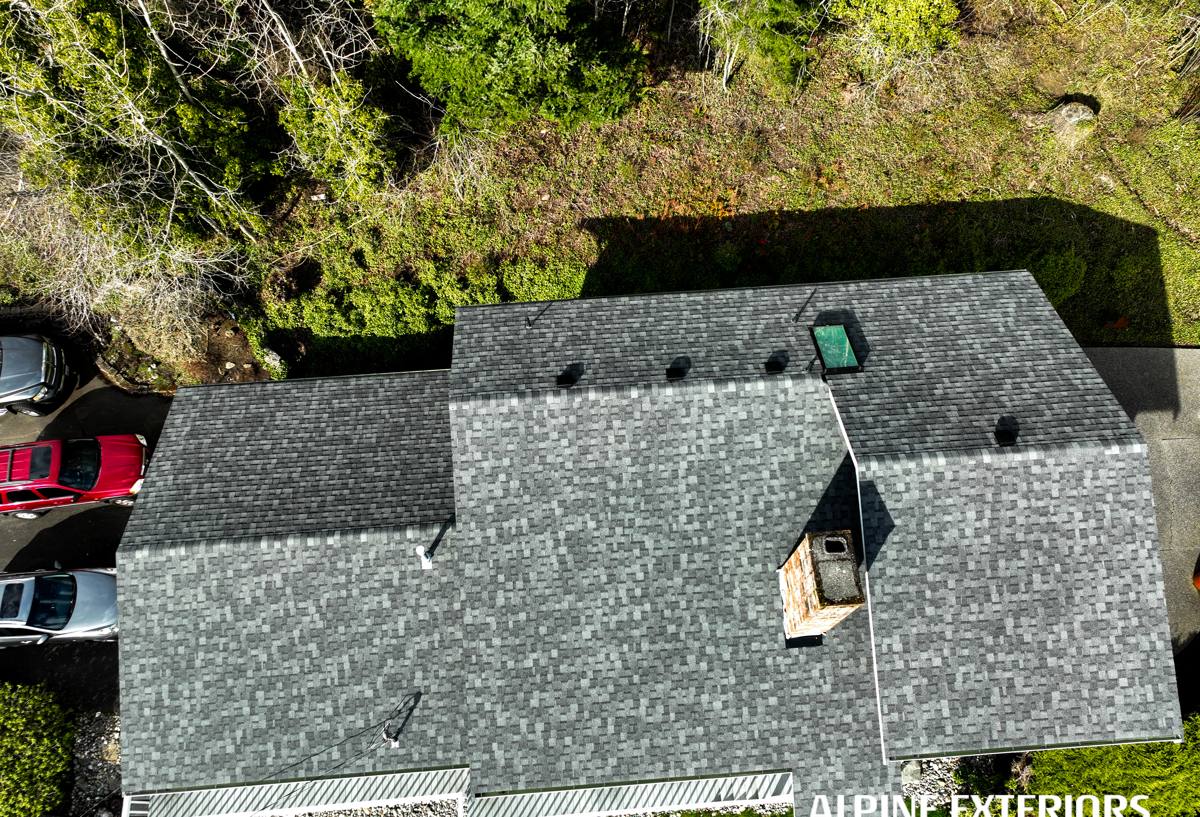
Green Lake's tree canopy is part of what makes the neighborhood desirable, and it's also part of what's hard on a roof. Big conifers and deciduous trees around the lake and along the surrounding blocks drop needles, leaves, and pollen onto roof surfaces year-round, and that organic debris holds moisture against shingles and shakes far longer than a roof in a more open part of King County ever sees. Add in Seattle's long stretch of driving rain from fall through spring, plus the salt-laden marine air that moves inland off Puget Sound on a west wind, and you've got a roofing environment that punishes shortcuts. A new roof here isn't just about picking a shingle color — it's about building an assembly that can shed water fast, resist moss colonization, and keep breathing so moisture doesn't get trapped underneath.
This page covers what a correctly installed new roof looks like for a Green Lake home, what our process involves start to finish, and why it matters to hire a crew that already knows this specific neighborhood's housing stock and climate demands.
What Green Lake's Climate Actually Does to a Roof
Moss Season Runs Longer Than Most Homeowners Realize
In much of the country, moss is a minor cosmetic nuisance. In Seattle, and especially in shaded, tree-heavy pockets like Green Lake, moss has an active growing season that can stretch from early fall through late spring — anywhere the roof stays damp and gets partial shade for more than a few hours a day. Moss doesn't just sit on top of shingles; its rhizoids work into the granule surface and, over time, lift shingle edges and hold water against the roof deck. Left unaddressed, that moisture cycle shortens the life of even a well-made shingle by years.
Driving Rain and Wind-Driven Water
Seattle's rain is rarely a hard downpour, but it comes sideways more often than people expect, especially during fall and winter storm systems moving in off the Sound. Wind-driven rain finds every weak point in flashing, valleys, and vent penetrations. A roof that would be fine in a calmer climate can leak in Green Lake if flashing details are installed to a minimum standard instead of a regional one.
Marine Air and Metal Components
Green Lake isn't waterfront, but it's close enough to Puget Sound and Lake Washington that the same moist, mildly corrosive marine air affects exposed metal — flashing, fasteners, vent caps, and gutter hardware. Over a roof's lifespan, that steady low-grade exposure adds up, which is why the grade and coating of every metal component matters more here than it would inland.
What a Correct New Roof Installation Includes
A new roof is more than laying shingles over the old ones. For Green Lake's conditions, a properly built roof system includes:
- Full tear-off to bare decking, never an overlay, so the deck and structure can be inspected and any rot or soft spots are caught before they're sealed under a new roof
- Deck repair or replacement of any damaged sheathing before underlayment goes down
- Ice-and-water shield membrane at eaves, valleys, and around penetrations — the areas most exposed to wind-driven rain and ponding
- A synthetic underlayment across the full field for a durable, breathable water barrier under the primary roofing material
- Balanced attic ventilation — intake at the eaves and exhaust at the ridge — so moisture from inside the home doesn't condense against the underside of the new deck
- Corrosion-resistant flashing at every valley, wall intersection, chimney, and vent penetration
- Proper nailing pattern and fastener count matched to the manufacturer's wind-rating specifications, not just the local code minimum
- A finished ridge cap and, where the home's exposure calls for it, moss-inhibiting metal strips near the ridge
Skipping any one of these doesn't necessarily cause a problem in year one. It shows up in year five or eight, usually as a leak that's already done damage to the deck or interior finishes before it's noticed.
Choosing the Right Roofing Material for This Climate
There's no single "best" roof for every Green Lake home — the right choice depends on the home's age, roof pitch, tree exposure, and the owner's tolerance for maintenance. Here's how the common options actually compare in this climate:
| Material | Moss & Moisture Behavior | Maintenance | Typical Lifespan Here |
|---|---|---|---|
| Architectural asphalt shingle (algae-resistant) | Copper- or zinc-infused granules resist moss and algae growth; still benefits from occasional roof cleaning under heavy tree cover | Low to moderate | 20–30 years |
| Standing seam metal | Smooth, steep-shedding surface that moss struggles to colonize; excellent water shedding | Low | 40–50+ years |
| Cedar shake | Attractive but absorbs moisture readily and is highly susceptible to moss and rot under shade unless meticulously maintained | High | Highly variable; often shortened by shade and moisture here |
| Basic 3-tab asphalt shingle | No algae-resistant granules; moss and staining set in faster under tree cover | Moderate to high | 15–20 years |
We generally steer homeowners in shaded, tree-heavy parts of Green Lake toward algae-resistant architectural shingles or standing seam metal. Cedar shake can still work on a home with good sun exposure and an owner willing to keep up with maintenance, but under a full tree canopy it demands more upkeep than most homeowners want to sign up for — that's a maintenance and moisture-behavior trade-off we'll walk through honestly, not a knock on the product itself.
Our Installation Process
1. On-Site Inspection and Estimate
We walk the roof and attic, note the pitch, tree exposure, existing ventilation, and any signs of past moisture intrusion, then put together a written scope and estimate specific to that home — not a generic package.
2. Scheduling Around Seattle Weather
Roofing in Seattle means working around rain windows, not around a fixed calendar. We plan tear-off and dry-in to happen in the same work session whenever possible, so an open deck is never left exposed overnight during an active weather system.
3. Tear-Off and Deck Inspection
Old roofing comes off down to the sheathing. This is where we find out what years of moss and trapped moisture actually did to the deck — anything soft, delaminated, or rotted gets replaced before anything new goes down.
4. Dry-In and Flashing
Ice-and-water membrane and underlayment go down first, followed by new flashing at every valley, wall, chimney, and penetration. This stage is where most long-term leak protection is actually decided.
5. Roofing Installation
Material is installed to manufacturer specification for fastener pattern and exposure, with attention to ridge and hip detailing and to ventilation components.
6. Cleanup and Final Walkthrough
We magnet-sweep for stray fasteners, clear debris, and walk the finished roof with the homeowner before calling the job done.
Signs a Green Lake Home Needs a New Roof, Not a Repair
- Granule loss heavy enough to see bare asphalt patches, especially on south- and west-facing slopes
- Moss coverage that returns within months of cleaning, even after treatment
- Soft or spongy spots underfoot on the roof deck
- Daylight visible through the attic roof boards
- Curling, cupping, or missing shingles concentrated in shaded areas
- Interior water stains on ceilings near valleys or chimneys
- A roof already past 20–25 years old with no major work done
One or two of these on their own might mean a targeted repair is enough. Several together, especially on an older roof, usually mean repair costs will keep recurring and a full replacement is the more honest long-term answer.
Cost Factors for a Green Lake Roof Replacement
We don't publish flat pricing because every roof is different, but these are the factors that most affect where a project lands within a normal range:
| Factor | Effect on Cost |
|---|---|
| Roof pitch and number of stories | Steeper, taller roofs require more safety setup and labor time |
| Extent of deck damage found at tear-off | More rotted sheathing means more replacement material and labor |
| Material selected | Standing seam metal costs more upfront than architectural shingle but requires far less long-term maintenance |
| Roof complexity (valleys, dormers, chimneys) | More flashing detail work and cut waste on complex roofs |
| Existing ventilation | Adding or upgrading intake/exhaust vents adds a modest line item but protects the new roof's lifespan |
| Tree exposure | Heavier debris and moss exposure may justify moss-inhibiting metal strips or algae-resistant shingle upgrades |
Why Hire a Crew That Already Works in Green Lake
A roofing crew that regularly works Green Lake and the surrounding Seattle neighborhoods already knows the housing stock — the common roof pitches, the era-typical framing, and how much moss and tree debris a given block tends to see. That familiarity shows up in small but real ways: knowing to check for legacy cedar shake decking under a shingle overlay, knowing which blocks sit under enough canopy to justify moss-resistant materials from the start, and knowing how to sequence a job around Seattle's rain patterns instead of losing days to weather surprises. It also means we're pulling City of Seattle permits routinely, not occasionally, so that part of the project moves without delay.
A new roof is one of the largest single investments a homeowner makes in a house, and in a climate like this one, the difference between a correctly built roof and a minimally built one shows up as either twenty-plus years of quiet performance or a string of leak repairs starting well before that.
If you're weighing a new roof for a Green Lake home, we're happy to take a look and give you a straight assessment — no pressure, no upsell. Use the form below to request a free estimate.