 Seattle Siding
 Roof Repair Built for Green Lake's Wet, Shaded Streets
Green Lake is one of the more tree-heavy, moisture-heavy pockets of Seattle. Big maples and conifers shade roofs for months at a time, the lake itself keeps humidity elevated, and King County's long wet season means most roofs here spend more days damp than dry between October and May. That combination is exactly what shortens the life of a roof and creates the leaks, moss mats, and soft decking we get called out for again and again in this neighborhood.
Roof repair in Green Lake is not the same job as roof repair on a dry, sun-exposed lot east of the mountains. The failure points are different, the timing of repairs matters more, and the materials that hold up here are not always the ones that get pushed hardest. This page covers what actually goes wrong on Green Lake roofs, what a correct repair involves, and how we handle the work.
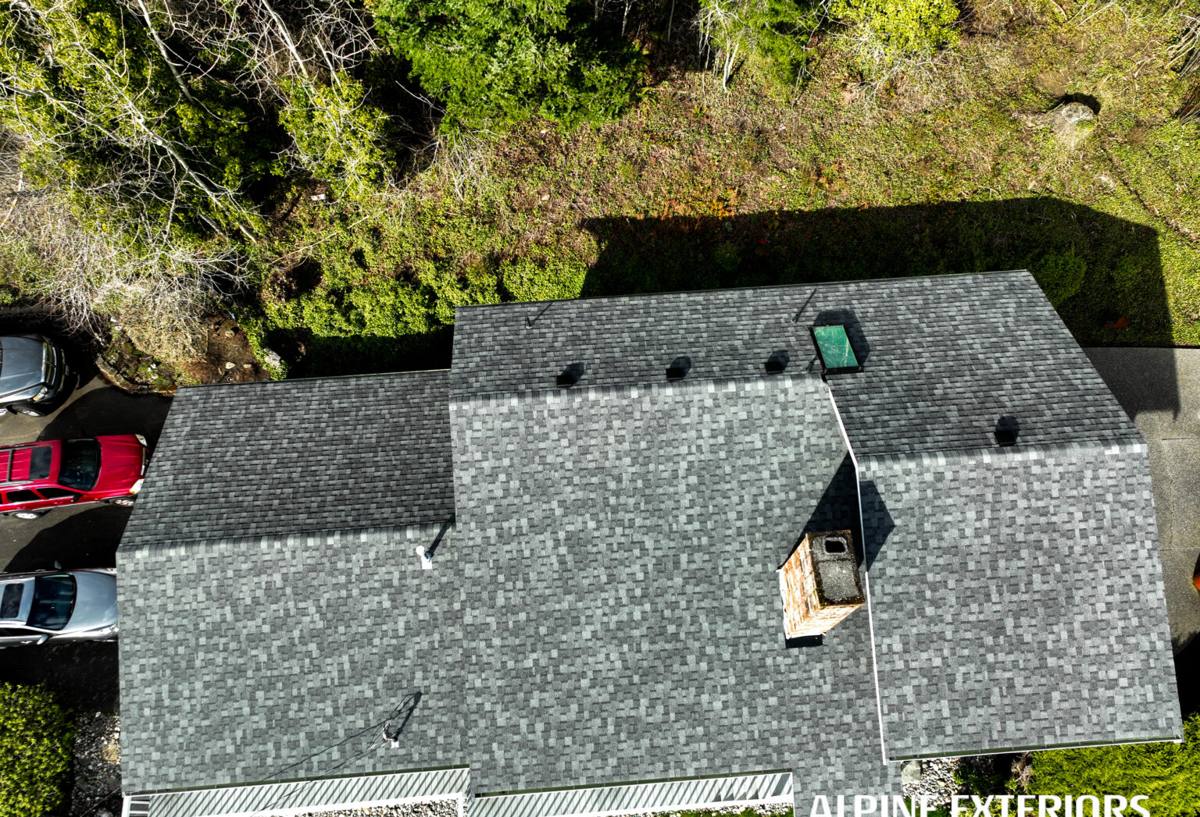
Why Green Lake Roofs Fail the Way They Do
Moss and Organic Growth
Shade plus moisture plus mild winter temperatures is a moss factory. Moss doesn't just sit on top of shingles looking bad — it holds water against the roofing material around the clock, works its rhizoids under shingle tabs and into granule beds, and lifts edges just enough for wind-driven rain to get underneath. On a lot of Green Lake homes we find moss thickest on the north-facing slope and in the shaded valleys near tree cover, which is usually where the earliest leaks show up too.
Driving Rain and Wind
Seattle's rain is rarely a straight-down soaking — it comes in sideways off Puget Sound weather systems, and Green Lake's mix of open lake exposure and gusty tree corridors means flashing, roof-wall intersections, and vent boots take a real beating. Standard nail patterns and light-duty sealant jobs that might get away with it in a drier climate don't hold up long here.
Salt Air and Metal Fatigue
Seattle isn't oceanfront, but the marine air moving in off the Sound still carries enough salt to accelerate corrosion on exposed metal — flashing, fasteners, gutter hangers, and vent caps age faster here than in inland parts of the state. Once a metal flashing edge starts to pit or rust through, it stops shedding water the way it's supposed to, and that's a slow leak waiting to happen.
Long Wet Season, Short Repair Window
Most of the calendar in Seattle involves some form of precipitation. That narrows the practical window for dry, proper repair work and is part of why small roof problems here tend to sit and get worse instead of getting fixed quickly — homeowners are waiting for a dry stretch that doesn't show up for months.
Signs a Green Lake Roof Needs Repair, Not Just Watching
- Dark streaking or thick green-black moss cover, especially on shaded or north-facing slopes
- Granules collecting in gutters or at downspout outlets — a sign shingles are wearing thin
- Curling, cupping, or lifted shingle edges you can see from the ground
- Water stains on interior ceilings, especially near chimneys, skylights, or where two roof planes meet
- Sagging or soft-feeling spots when walking the roof (a sign of decking damage underneath)
- Rust streaks below metal flashing or vent caps
- Daylight visible through the attic roof deck at seams or nail penetrations
- Debris and needle buildup packed into valleys, holding moisture against the roof surface
Any one of these on its own might not mean a full roof replacement — but ignored together, in a climate like this one, they compound fast.
What a Correct Repair Actually Involves
A lot of "roof repair" in wet climates gets done wrong not because the crew is careless, but because the job gets rushed to beat the next rain system. Doing it right on a Green Lake roof means:
1. Full Inspection Before Any Patching
We check the whole roof plane, not just the spot where the leak showed up inside. Water travels — a stain on a ceiling in one room can trace back to a flashing failure ten feet away. We also check the attic side when accessible, since that tells us how long moisture has actually been getting in.
2. Moss and Debris Removal Done Without Damaging the Roof
Pressure washing shingles is a bad habit that strips granules and shortens roof life — we don't do it. Moss and debris come off by hand or with soft-wash methods appropriate to the roofing material, followed by treatment to slow regrowth.
3. Real Flashing Repair, Not Just Sealant Over the Problem
Caulking over a failed flashing joint is a temporary cover-up, not a repair. Correct work means re-bending, re-fastening, or replacing the flashing itself at chimneys, skylights, walls, and valleys, then sealing as a finishing step — not a substitute for proper metalwork.
4. Matching Materials, Not Guessing
Repairs that use mismatched shingle profiles, wrong-gauge flashing metal, or incompatible underlayment tend to fail again within a year or two, sometimes faster than the original problem. We match to what's already on the roof whenever possible, and we're upfront if a full section replacement makes more sense than patching.
5. Deck Repair Where Water Has Gotten In
If moisture has reached the plywood or board decking underneath, patching the surface without addressing the deck just hides the problem. Soft or delaminated decking gets cut out and replaced before new roofing goes back down.
Roofing Materials We See Most on Green Lake Homes
| Material | Common on | What matters for repair here |
|---|---|---|
| Composition (asphalt) shingle | Most Green Lake homes, from older bungalows to newer builds | Granule loss and moss lift are the main issues; matching shingle age/color for patch sections is often the tricky part |
| Cedar shake / shingle | Older character homes in the neighborhood | High moisture retention under shade means more frequent moss and rot checks; repairs need matching cedar grade, not a generic patch |
| Metal (standing seam or panel) | Newer builds and additions | Fastener and seam integrity matter most; look for corrosion at cut edges and around penetrations |
| Flat / low-slope membrane (additions, garages) | Additions and detached structures | Ponding water and seam separation are the typical failure points; needs membrane-specific repair, not shingle materials |
Our Process for a Green Lake Repair Job
- Estimate visit — we walk the roof (weather permitting) or use ground and attic inspection to identify the actual source of the problem, not just the visible symptom
- Written scope — what we found, what we recommend fixing, and what it costs, before any work starts
- Scheduling around the weather — repair work needs a dry roof surface to bond and seal correctly, so we schedule around Seattle's forecast rather than forcing a job into wet conditions
- The repair — moss/debris removal, flashing and shingle work, deck repair if needed, all done to match the existing roof
- Cleanup and walk-through — debris hauled off, work reviewed with the homeowner before we consider the job finished
What Drives the Cost of a Roof Repair
| Factor | Why it matters |
|---|---|
| Size and number of repair areas | A single flashing fix costs far less than multiple leak points across the roof |
| Roof pitch and accessibility | Steeper roofs and limited ground access (common on some Green Lake lots) add labor time |
| Extent of deck damage | Surface-only repairs cost less than jobs requiring decking replacement |
| Material match difficulty | Older or discontinued shingle styles can take longer to source or match |
| Moss/organic buildup severity | Heavy, long-term moss coverage takes more time to remove safely without damaging shingles |
Small, contained repairs are often a modest cost. Jobs involving deck replacement, multiple leak sources, or full valley and flashing rebuilds run higher. We give a firm number after seeing the actual roof — we don't quote blind over the phone.
Why a Crew That Already Works Green Lake Matters
A roofer who works this neighborhood regularly already knows which roof orientations hold moss longest, how the lake's microclimate affects drying time between repairs, and which older Green Lake homes tend to have specific flashing or decking quirks from their original construction era. That local pattern recognition shortens the diagnosis time and reduces the chance of a repair that looks fine going in but fails again after the next wet season.
We also know that in Seattle, timing a repair around dry windows isn't optional — it's the difference between a seal that bonds correctly and one that fails within months. Local crews plan around that reality instead of learning it the hard way.
Get a Free Estimate
If you're seeing moss buildup, a ceiling stain, or just want a second set of eyes on a roof before the next wet season sets in, we're happy to take a look. Estimates are free and there's no pressure to move forward — just a straight assessment of what your Green Lake roof actually needs. Use the form below to get started.