 Seattle Siding
 Roofing in Kirkland: What the Local Climate Actually Does to a Roof
Kirkland sits in the heart of the Puget Sound region, and that comes with a specific set of roofing challenges that a generic "roof replacement" checklist doesn't cover. Homes here deal with long, wet winters where rain doesn't fall hard so much as it sits — soaking into roofing materials over days and weeks rather than in a single storm. Add in the moist, salt-tinged marine air that moves through the region off Puget Sound, and you get conditions that are ideal for moss, algae, and slow-building moisture damage, even on roofs that look fine from the street.
A shingle roof that would hold up fine in a drier climate can underperform here if it wasn't installed with King County's weather in mind. That means paying close attention to underlayment, flashing, ventilation, and the specific shingle products rated for algae and moisture resistance — not just laying shingles in rows and calling it done.
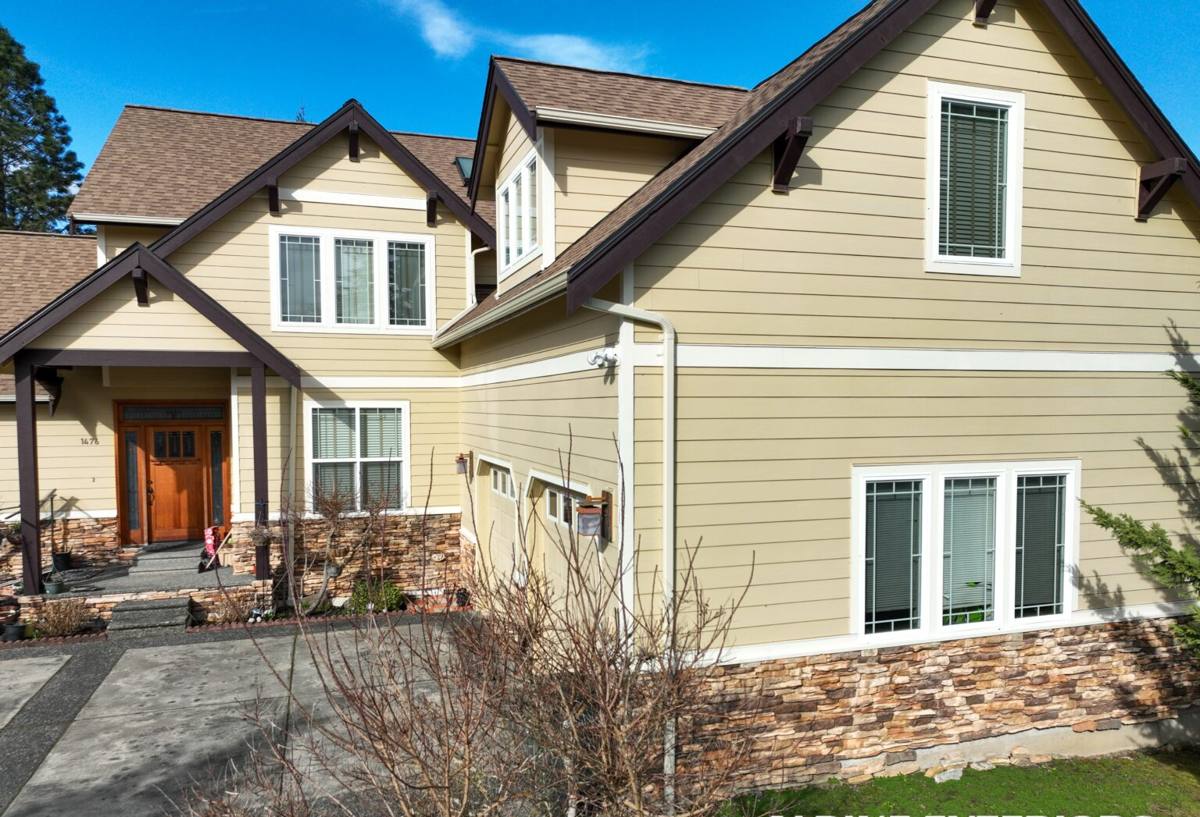
What a Correctly Installed Asphalt Shingle Roof Looks Like Here
Asphalt shingle roofing is still the right choice for most Kirkland homes — it's durable, cost-effective, and available in styles that match everything from mid-century ramblers to newer construction. But "correct" in this climate means more than the shingle itself. A roof built for the long moss season and driving rain typically includes:
- A synthetic or high-quality felt underlayment rated for extended wet exposure, not the minimum-grade option
- Ice-and-water shield membrane at eaves, valleys, and around penetrations, where moisture backs up first
- Properly lapped and sealed step flashing at every wall intersection and chimney
- Balanced intake and exhaust ventilation so trapped moisture doesn't condense inside the attic
- Algae-resistant (AR) shingles on roofs with shade or north-facing slopes, where moss and algae take hold fastest
- Proper nailing pattern and fastener count — under-nailing is a common shortcut that shows up as blow-offs years later
Skipping any one of these doesn't usually show up as a problem in year one. It shows up in year five or six, as leaks at valleys, soft decking at the eaves, or premature granule loss. That's why the installation details matter more here than in drier parts of the country.
Signs a Kirkland Roof Needs Attention
Because moisture damage in this climate builds slowly, most homeowners don't notice a problem until it's already inside the attic or ceiling. Some signs are easier to catch from the ground or a quick attic check:
- Dark streaking or green-black patches on north-facing or shaded slopes (algae, not just dirt)
- Moss growth at shingle edges, especially where tree cover keeps a section of roof shaded and damp longer than the rest
- Granules collecting in gutters or at downspout outlets, a sign the shingle surface is wearing thin
- Curling, cupping, or cracked shingles, especially on south-facing slopes that see more sun and thermal cycling
- Daylight visible through roof boards, or musty smells in the attic during or after wet weeks
- Soft or spongy decking underfoot near valleys or chimneys, felt during a walk-through inspection
Any one of these on its own isn't necessarily an emergency, but they're worth a real inspection rather than a guess. A roof that's caught early is a repair; one that's ignored through another wet season often becomes a full replacement.
Choosing a Shingle Line for This Climate
Not every asphalt shingle product performs the same way once it's dealing with year-round moisture and a long moss season. The table below outlines how the common tiers compare for a Kirkland roof specifically — cost is only part of the decision.
| Shingle Tier | Typical Lifespan Here | Moss/Algae Resistance | Best Fit |
|---|---|---|---|
| 3-Tab (standard) | 15-20 years | Low unless AR-rated | Budget-conscious replacements, rentals, secondary structures |
| Architectural / Dimensional | 25-30 years | Good with AR granules | Most single-family homes; best balance of cost and durability |
| Premium / Designer | 30+ years | Very good, often algae-resistant standard | Steep-slope or highly visible roofs, higher wind and moisture exposure areas |
For most Kirkland homes, an algae-resistant architectural shingle is the practical middle ground — it costs more upfront than 3-tab but holds up meaningfully longer under this region's moss and moisture load, which usually makes it the better value over the life of the roof rather than a luxury upgrade.
How Our Process Works
We keep the process straightforward because homeowners generally want to know what's happening and why, not sit through a sales pitch. A typical project looks like this:
- On-site inspection. We walk the roof (or use appropriate access for steep or fragile roofs) and check decking, flashing, ventilation, and current shingle condition, not just the surface.
- Written estimate. You get a clear breakdown of materials, labor, and any decking or flashing repairs — no vague allowances buried in the total.
- Material selection. We walk through shingle tiers and colors based on your home, budget, and how much shade or moss exposure the roof gets.
- Tear-off and deck inspection. Old roofing comes off down to the deck so we can actually see and address any rot or soft spots before new material goes down — this is where hidden moisture damage gets caught.
- Underlayment, flashing, and ventilation. These layers go in before a single shingle is nailed, since they're what actually keeps water out long-term.
- Shingle installation. Installed to manufacturer spec for nailing pattern, exposure, and fastener count — the details that determine wind and warranty performance.
- Final walkthrough and cleanup. We review the finished roof with you, including a magnetic sweep for stray nails, before we consider the job done.
Ventilation, Moss, and the Long-Term Health of the Roof
Ventilation doesn't get much attention from homeowners, but it's one of the biggest factors in how long a shingle roof actually lasts here. Attics that can't properly exhaust warm, moist air lead to condensation on the underside of the decking, which accelerates rot and can void a shingle manufacturer's warranty entirely. Balanced ventilation — enough intake at the eaves and exhaust at or near the ridge — keeps that moisture moving out instead of sitting against the wood.
Moss control is a related but separate issue. Even a well-ventilated roof will grow moss if it stays shaded and damp for long stretches, which is common under mature tree cover in this area. Algae-resistant shingles help slow that growth on the shingle surface itself, and keeping gutters and valleys clear of debris reduces the standing moisture that moss needs to establish. Zinc or copper strips near the ridge can also help suppress regrowth on shaded slopes, though they work best as one part of a broader maintenance routine rather than a standalone fix.
What Affects the Cost of a Kirkland Roofing Project
Every roof is different, so exact pricing depends on the inspection, but the factors below are what typically move the number up or down:
| Factor | Why It Matters |
|---|---|
| Roof pitch and access | Steeper or harder-to-access roofs take longer and require more safety equipment |
| Number of layers being removed | Tear-off of multiple old layers adds labor and disposal cost |
| Decking condition | Rotted or soft decking found during tear-off needs replacement before new roofing goes on |
| Shingle tier selected | 3-tab, architectural, and premium products carry different material costs |
| Roof complexity | Valleys, dormers, chimneys, and skylights all add flashing work and time |
| Ventilation upgrades | Adding or correcting intake/exhaust venting is a smaller cost during a full re-roof than after |
As a general range, a straightforward asphalt shingle re-roof on a typical Kirkland single-family home often falls in the mid-five-figure range, with complexity, decking repairs, and shingle tier pushing it higher or lower. We give exact numbers only after seeing the roof — broad averages don't account for what's actually happening under your shingles.
Why a Crew That Already Works in Kirkland Matters
A roofing crew that regularly works Kirkland and the surrounding King County area isn't guessing at how this climate treats a roof — they've seen how moss builds on shaded north slopes, how valleys handle sustained rain, and which underlayment and flashing details actually hold up over a full Pacific Northwest winter versus which ones look fine on install day and fail two years later. That local pattern recognition is hard to replace with a generic install checklist.
It also matters for practical reasons: familiarity with local permitting expectations, an understanding of typical lot conditions and tree cover in the area, and the ability to schedule around this region's weather windows rather than working against them. A crew that treats every roof like it's in a dry, mild climate is more likely to skip the details that matter most here.
After Installation: Keeping the Roof in Good Shape
A correctly installed roof still benefits from basic upkeep, especially given how long the wet season runs here. A simple annual routine goes a long way:
- Clear gutters and downspouts before the fall rains start, so water isn't backing up under the shingle edge
- Trim back overhanging branches to reduce shade and debris buildup that feed moss growth
- Do a visual check after major windstorms for lifted or missing shingles
- Have the attic checked periodically for signs of condensation or moisture, especially in older homes
- Address moss at the first sign of growth rather than waiting for it to spread across a slope
None of this requires climbing on the roof yourself — most of it can be done from the ground or with a simple attic check, and catching small issues early is what keeps a well-installed roof performing for its full expected lifespan.
If your roof is showing wear, growing moss, or you're just due for an honest assessment, we're happy to take a look. The estimate is free, there's no pressure, and you'll get a straight answer about what your roof actually needs — use the form below to get started.