 Seattle Siding
 Decks in Magnolia Face a Different Kind of Wear
Magnolia sits on a peninsula bordered by Puget Sound and the Ship Canal, and that location shapes how decks age here. Homes closer to the bluffs and waterfront get a steady dose of salt-laden air off the Sound, while the whole neighborhood shares Seattle's long, wet fall-through-spring stretch of driving rain and low sun angles that keep shaded decks damp for days at a time. Add King County's extended moss season, and you have a combination that goes after a deck from three directions at once: the wood itself, the metal holding it together, and the surface finish meant to protect both.
A deck that would hold up fine in a drier inland climate can develop real problems here within a decade if it isn't built and maintained with this environment in mind. That doesn't mean every Magnolia deck needs constant attention — it means repairs need to address the actual cause of the wear, not just patch what's visible.
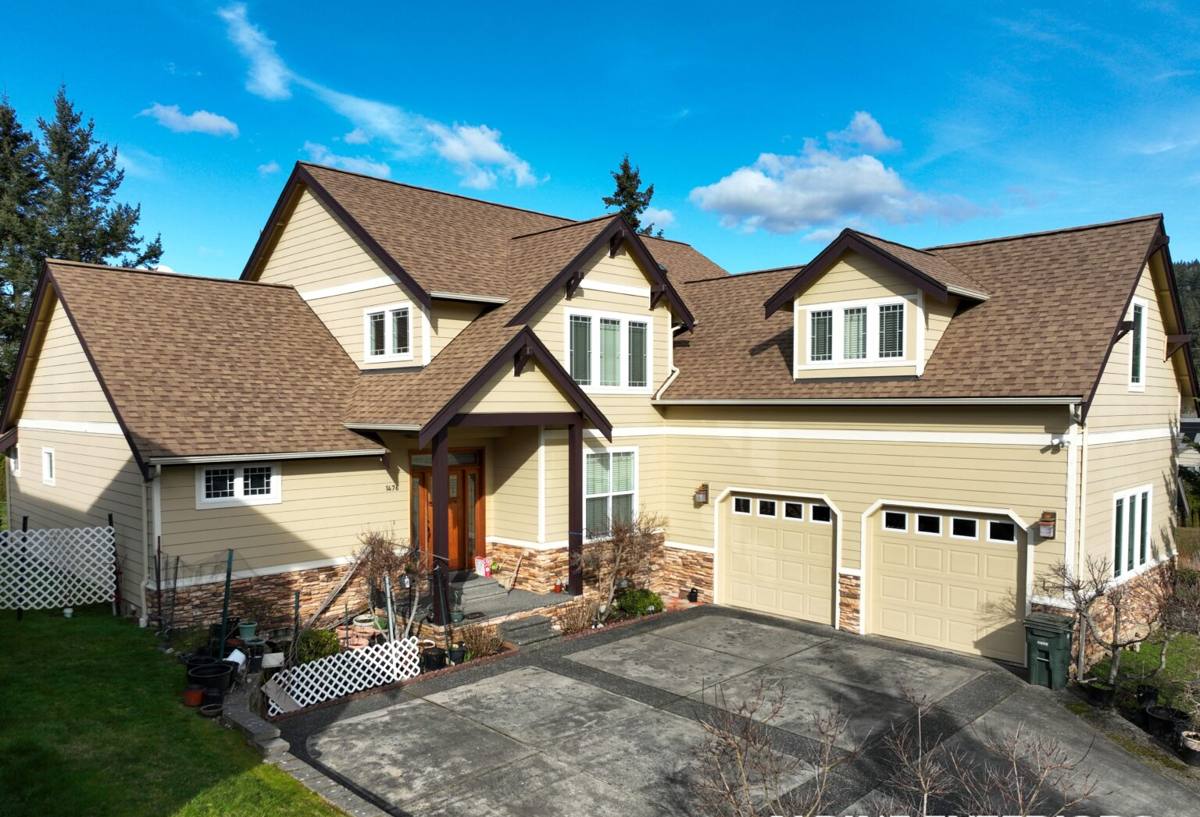
What Magnolia's Marine Climate Does to a Deck Over Time
Moss and Trapped Moisture
Moss doesn't just look bad — it holds water against the decking surface long after the rest of the yard has dried out. On shaded decks, north-facing decks, or ones tucked under tree canopy (common in Magnolia's more wooded pockets), moss can keep boards damp for weeks during the winter. That constant moisture is what drives rot in the board itself and in the ledger, joists, and framing underneath if water finds its way through gaps or fastener holes.
Salt Air and Fastener Corrosion
Homes with any exposure toward the Sound deal with airborne salt that accelerates corrosion in fasteners, brackets, and hardware. Once a nail, screw, or joist hanger starts to corrode, it loses holding strength — and a deck is only as sound as its connections. This is one of the most common hidden issues we find on repair calls: the decking looks fine, but the hardware underneath has been quietly failing for years.
Freeze-Thaw and UV, in Smaller Doses
Seattle doesn't get the brutal freeze-thaw cycling of colder climates, but we do get enough freezing nights mixed with wet days to open up small cracks in wood and caulking over time. UV exposure is milder here than in sunnier regions too, but it still breaks down unprotected wood fibers and finish coatings on decks that get direct afternoon sun.
Signs Your Deck Needs Repair, Not Replacement
Most decks don't fail all at once — they show warning signs first. Catching these early is usually the difference between a repair bill and a full rebuild.
- Soft, spongy, or spring-feeling boards, especially near the house or in shaded areas
- Visible moss or persistent green staining that comes back after cleaning
- Rust streaks below screws, nails, or metal brackets
- Gaps or movement where the deck ledger meets the house
- Railings or posts that wiggle when you push on them
- Stair stringers that flex or feel uneven underfoot
- Standing water that doesn't drain within an hour or two after rain stops
- Boards that have visibly cupped, warped, or split along the grain
If you're seeing one or two of these, it's usually a repair. Several at once, especially involving the framing or ledger connection, is when we start talking about partial or full rebuilds.
What a Correct Deck Repair Actually Involves
A repair that only replaces what's visible on the surface often misses the cause. Before we replace a single board, we check what's underneath it — because a beautiful new board fastened to a rotting joist just fails again in a year or two.
| Repair Type | What It Addresses | What We Check First |
|---|---|---|
| Board replacement | Cupped, cracked, or rotted individual decking boards | Condition of the joist underneath each affected board |
| Ledger repair | Separation or rot where the deck attaches to the house | Flashing condition and whether water has been getting behind it |
| Joist and framing repair | Structural sag, soft spots, hidden rot | Extent of moisture damage — sistering vs. full replacement |
| Railing and post repair | Loose, wobbly, or corroded connections | Post base condition and code-compliant spacing |
| Fastener and hardware upgrade | Rust, corrosion, weakened connections | Whether original hardware was rated for exterior/coastal use |
| Surface refinish | Worn, graying, or moss-prone finish | Whether the wood underneath is still sound enough to seal |
Structural Work Comes First
Anything involving the ledger board, support posts, or joists gets addressed before cosmetic work. This is also where local permitting can come into play — structural deck repairs in Seattle can require a permit depending on scope, and it's something we handle as part of the job rather than leaving for the homeowner to sort out.
Repair vs. Replacement: How We Decide
Nobody wants to pay for repairs on a deck that's going to need replacing in two years anyway — and nobody wants to pay for a full rebuild when a repair would do the job. We look at a handful of factors to figure out which makes sense.
| Factor | Leans Toward Repair | Leans Toward Replacement |
|---|---|---|
| Framing condition | Solid, dry, no significant rot | Widespread soft spots or rot in joists/beams |
| Age of structure | Under 15-20 years, built to a reasonable standard | Original construction quality was poor or deck is very old |
| Extent of damage | Isolated to a few boards or connections | Spread across most of the surface and structure |
| Ledger and flashing | Intact, properly flashed | Failed flashing with ongoing water intrusion into the house rim joist |
| Budget goals | Extend usable life a number of years affordably | Want a long-term, lower-maintenance solution now |
We'll give you a straight answer either way, including when a repair is genuinely the smarter move — we're not interested in selling a full rebuild when a targeted fix will hold up.
Our Process for Magnolia Deck Repairs
1. On-Site Assessment
We walk the whole deck, check moisture levels in the wood with a meter rather than guessing by eye, inspect the ledger and framing from underneath where accessible, and test railings and stairs for movement.
2. Written Scope and Options
You get a clear explanation of what's causing the problem, what needs to be fixed now versus what can be monitored, and pricing that reflects the actual scope — not a vague estimate that grows once work starts.
3. The Repair Itself
We match existing materials where it makes sense, address the root cause (drainage, flashing, hardware) rather than just swapping boards, and use fasteners and hardware rated for exterior and coastal exposure so the fix holds up in this climate.
4. Final Walkthrough
Before we consider the job done, we walk it with you, point out anything worth keeping an eye on, and answer questions about maintenance going forward.
Materials We Use and Why
For structural repairs, we favor pressure-treated lumber rated for ground contact or exterior use, matched to the original framing where possible. For fasteners and connectors, we use stainless steel or coated hardware built for exterior exposure — standard interior-grade hardware is one of the most common failure points we find in older decks near the water, and it's not worth reusing even if it still looks intact.
When it comes to decking surface material, we'll talk through the honest trade-offs rather than push one option. Wood decking is more affordable up front and easier to spot-repair board by board, but it needs more regular cleaning and refinishing to fight moss and moisture in this climate. Composite decking costs more initially and can be less forgiving to patch invisibly if a single board is damaged, but it resists moss growth and moisture absorption better over time, which matters on shaded or waterfront-adjacent lots. Neither is the "right" answer for every home — it depends on sun exposure, how much upkeep you want to do, and your budget.
Why a Crew That Already Works in Magnolia Matters
Magnolia's terrain isn't uniform — there are homes on flat interior streets, homes on bluffs with dramatic drops, and homes close enough to the water to get real salt exposure. A crew that regularly works this neighborhood already knows to check hardware more carefully on wind- and salt-exposed decks, to expect moss buildup on shaded northern exposures, and how Seattle's permitting process applies to structural deck work.
That local familiarity also means fewer surprises during the job. We know what a properly flashed ledger looks like on the housing stock common to this area, and we know when a deck's problems trace back to construction shortcuts rather than just age. That's the kind of judgment that only comes from doing this work in King County's specific mix of rain, moss, and marine air, not from a generalized repair checklist.
Ready for a Straight Answer on Your Deck?
If your Magnolia deck has soft spots, moss that keeps coming back, wobbly railings, or you're just not sure whether it needs a repair or a rebuild, we're happy to take a look and give you an honest assessment. Fill out the form below for a free, no-pressure estimate — no obligation, just a clear picture of what your deck actually needs.