 Seattle Siding
 Why New-Construction Window Installation Is Different in Ballard
Ballard sits close enough to Puget Sound that salt-laden air, wind-driven rain, and a long, damp moss season are just part of owning a home here. When a house is framed and ready for windows, the choices made in that window — the flashing sequence, the window unit itself, the sealant, the trim details — set the tone for how that building envelope performs for the next 20-30 years. New construction is the one time this work is easiest to get right, because the wall assembly is fully open and every layer is visible and accessible. Once siding, trim, and interior finishes go on, correcting a bad window install becomes a demolition project instead of a five-minute fix.
We install new-construction windows on framing throughout Seattle and King County, and Ballard jobs get the same attention any coastal-adjacent neighborhood needs: careful sequencing with the weather-resistive barrier, generous overlap at flashing laps, and window products rated for sustained wind-driven rain rather than occasional light showers.
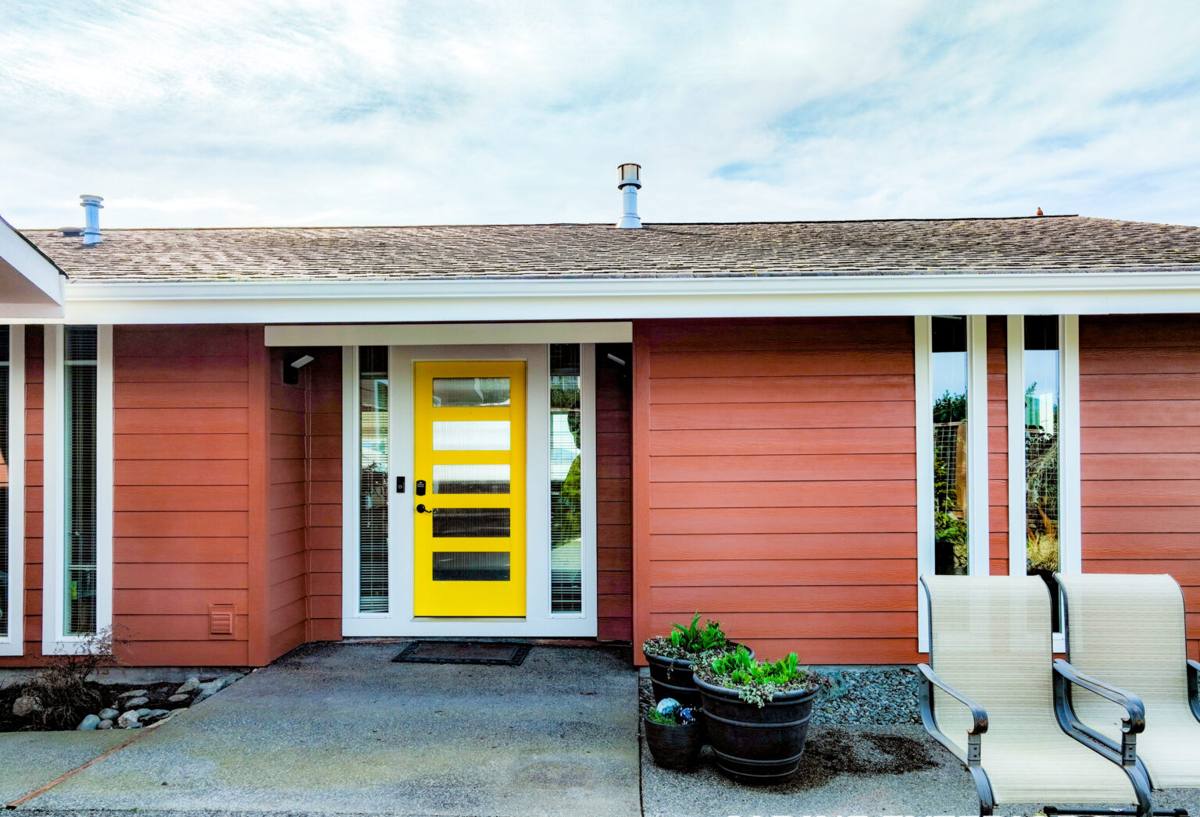
What Ballard's Climate Actually Does to Windows Over Time
Salt Air and Metal Fatigue
Proximity to salt water accelerates corrosion on unprotected fasteners, cheap flashing metal, and lower-grade hardware. It's not dramatic — you won't see rust overnight — but over a decade it shows up as pitting on exposed screws, staining below hardware, and premature failure of anything not rated for a marine-influenced environment. We spec corrosion-resistant fasteners and flashing for Ballard installs specifically because of this exposure.
Driving Rain and Wind Pressure
Rain in this part of Washington doesn't just fall — it gets pushed sideways against west- and south-facing walls during storms. A window that's watertight in a calm rain can still leak under wind pressure if the flashing details weren't built to shed water outward and downward under load. This is the single biggest factor in how we detail a new-construction window opening here.
Moss, Algae, and Prolonged Moisture Contact
Long stretches of overcast, damp weather mean moss and algae get a foothold on any horizontal surface that stays wet — including window sills and the tops of trim boards if they're not sloped or capped correctly. Moisture sitting against wood trim or OSB sheathing for months at a time is what eventually causes rot, not a single storm.
What a Correct New-Construction Window Install Involves
New-construction windows have a nailing fin that gets integrated directly into the wall's water management system, unlike a replacement window that gets set into an existing opening. Done right, the sequence looks like this:
- Rough opening is checked for square, level, and correct dimensions before the window ever shows up on site.
- Weather-resistive barrier (house wrap) is cut and prepped at the opening using a proper flap or window method so water sheds over, not into, the seams.
- Sill pan flashing goes in first, sloped to drain to the exterior — this is the detail that catches any water that gets past the window itself.
- The window is set, shimmed level and plumb, and fastened through the nailing fin per the manufacturer's schedule.
- Jamb and head flashing are installed in the correct shingle-lap order — sides before the top — so every layer overlaps the one below it, never the reverse.
- Sealant is applied at manufacturer-specified points only; over-sealing can trap water inside the assembly instead of letting it drain.
- Interior and exterior trim details are finished to keep water moving away from the opening, not pooling against it.
Skip or reverse any one of those steps and you get a window that looks fine for years and then leaks into the wall cavity where nobody can see it until there's a stain on the drywall or soft trim outside.
Checklist: What to Confirm Before Windows Go In
- Rough openings are within manufacturer tolerance for the specific window model
- Sill pan flashing is specified and sloped, not just "caulk and hope"
- Flashing sequence is shingle-lapped correctly (bottom to top, sides before head)
- Fasteners and flashing metal are corrosion-resistant, appropriate for coastal-influenced air
- Window's performance ratings match Pacific Northwest wind-driven rain exposure, not just a minimum code baseline
- Sealant type and placement follow the window manufacturer's written installation instructions
- Exterior trim is detailed to shed water, with no flat horizontal surfaces that hold standing moisture
Choosing Window Products for a Ballard Build
We don't push one brand as universally correct — the right product depends on budget, the home's design, and how the wall assembly is built. What we do insist on is that whatever goes in is rated for sustained wind-driven rain exposure and comes with a warranty structure that's clear about what's covered. Vinyl, fiberglass, and wood-clad windows all have a place; the trade-offs are mostly about long-term maintenance and how each material handles years of damp, cool cycling.
| Frame Material | Maintenance in a Wet Climate | Typical Trade-Off |
|---|---|---|
| Vinyl | Low — no painting, resists moisture well | Fewer color/finish options, can flex on larger sizes |
| Fiberglass | Low — very stable dimensionally, handles moisture cycling well | Higher upfront cost than vinyl |
| Wood-clad | Moderate — exterior clad protects wood, but any breach in the cladding invites rot | Best interior look, requires careful install and periodic inspection |
| Aluminum | Low corrosion resistance near salt air unless properly coated | Slim sightlines, but needs a coating spec suited to marine-influenced air |
How Our Process Works on a Ballard New-Construction Job
We coordinate directly with the builder or GC's framing schedule so windows go in at the right point — after the weather-resistive barrier is up and before siding starts. On-site, that means:
- Pre-install walkthrough to confirm rough openings match approved window schedule and sizes
- Flashing and sill pan installation using materials matched to this climate's exposure
- Window setting, leveling, and fastening to manufacturer spec
- Photo documentation of flashing layers before they're covered by siding — so there's a record of what's behind the wall
- Final inspection for square, operation, and weather-seal before we sign off
We also flag anything in the framing or WRB detailing that looks like it'll cause trouble down the line — a rough opening that's out of square, a house wrap lap running the wrong direction — before it becomes hidden behind finished walls.
Cost Factors for New-Construction Windows in Ballard
Every build is different, so we don't quote sight-unseen, but the main variables that move price are consistent:
| Factor | Why It Matters |
|---|---|
| Window count and sizes | More openings and larger units mean more material and labor |
| Frame material | Vinyl, fiberglass, and wood-clad carry different unit costs |
| Wall assembly complexity | Rainscreen or advanced WRB systems take more time to detail correctly than a basic wall |
| Access and stories | Upper-floor and hard-to-reach openings add labor time and equipment needs |
| Custom shapes or sizes | Non-standard windows often mean longer lead times and higher unit cost |
Broadly, homeowners and builders should expect new-construction window packages to range from a few thousand dollars for a handful of standard openings up to well into five figures for a full custom home with premium units — the specifics only firm up once we've seen the plans or the framed opening.
Why Hire a Crew That Already Works in Ballard
Window installation looks the same on paper everywhere, but the details that matter — how much flashing overlap to build in for wind-driven rain, which fastener grade holds up near salt air, how to keep a sill from becoming a moss trap — come from doing this work repeatedly in this specific environment. A crew that mostly installs in a dry climate and occasionally works Seattle jobs doesn't carry that muscle memory the way a crew that works King County's coastal-influenced neighborhoods week in and week out does. We're on Ballard job sites regularly enough to know how this neighborhood's weather behaves across a full year, not just on a clear installation day.
We also stand behind our own installation work separately from the manufacturer's product warranty, so if something about the install itself needs attention down the road, there's a clear, local point of contact — not a call center.
Get a Free, No-Pressure Estimate
If you're framing a new build or addition in Ballard and need windows installed correctly the first time, we're happy to take a look at your plans or your framed openings and walk you through the options. The estimate is free, there's no pressure, and you'll get a straight answer about what your project actually needs.