 Seattle Siding
 Queen Anne's Roofs Face a Different Set of Problems
Queen Anne sits high above Puget Sound, and that elevation cuts both ways. The views are part of what makes the neighborhood, but the same exposure means homes up here take wind-driven rain and salt-laden air off the water more directly than houses tucked into lower, more sheltered parts of Seattle. Add King County's long, wet fall-through-spring stretch and the mature tree canopy found on many Queen Anne blocks, and you get a roofing environment that rewards careful installation and punishes shortcuts. A roof that would hold up fine in a drier climate can fail early here if the underlayment, flashing, and ventilation weren't done right the first time.
The neighborhood's housing stock adds another variable. Queen Anne has a real mix of early-1900s Craftsman and foursquare homes, mid-century houses, and newer construction, often on lots with real slope. Roof pitches, valleys, and dormer configurations vary block to block, which means a "one size fits all" installation approach doesn't work well here. A correct new roof for a steep-pitched older home on a hillside lot looks different from what a flatter mid-century roof needs, even though both are dealing with the same regional weather.
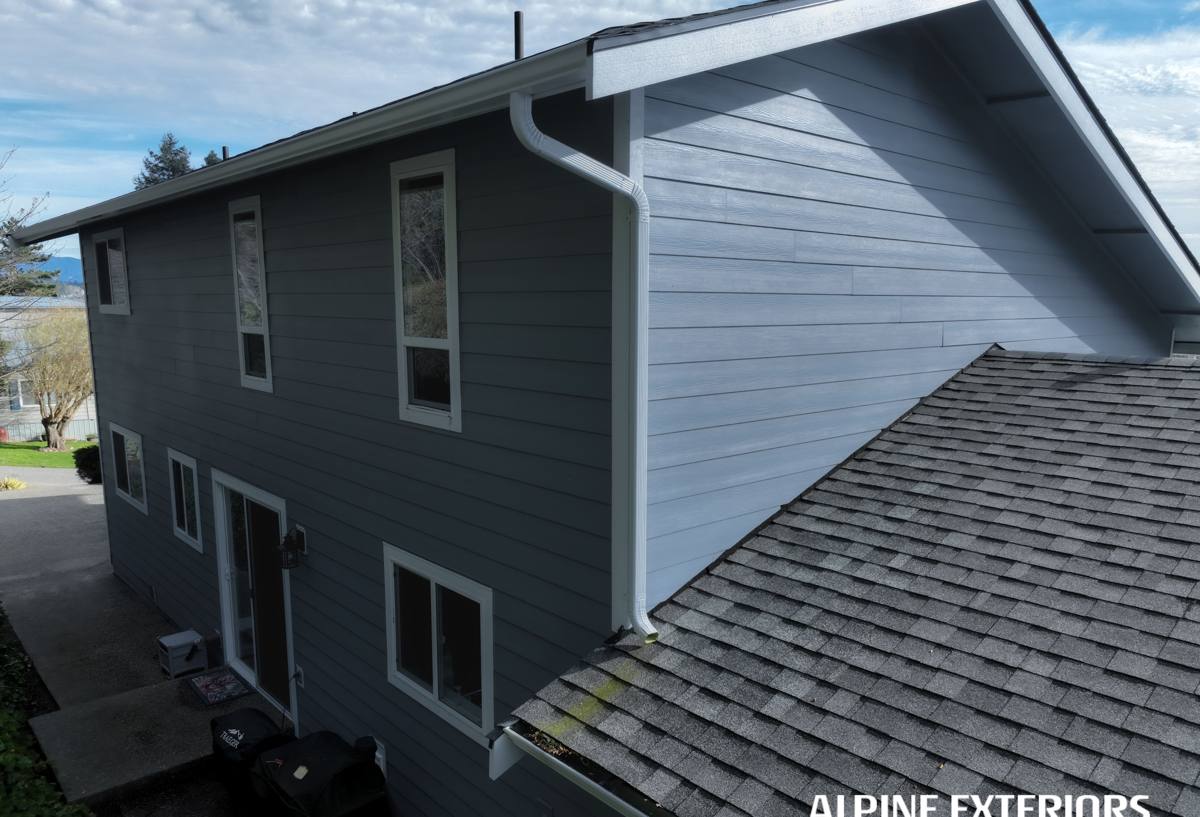
Why Salt Air, Driving Rain, and Moss Matter So Much Here
Salt Air
Homes closer to the water side of the hill get airborne salt that accelerates corrosion on exposed metal — nails, flashing, vent caps, and gutter hardware. Over years, corroded fasteners and flashing are a common source of leaks that have nothing to do with the shingles themselves.
Driving Rain
Wind off the Sound doesn't just drop rain straight down — it pushes it sideways, up under shingle tabs, and into any gap in the flashing around chimneys, skylights, and roof-to-wall transitions. This is why flashing detail and underlayment quality matter as much as the roofing material on top.
Moss Season
Western Washington's damp, shaded conditions give moss a long growing window, especially on north-facing slopes and roofs under tree cover — common throughout Queen Anne. Moss holds moisture against the roofing surface, works its way under shingle edges, and can lift material over time if it isn't controlled.
Signs a Queen Anne Home Needs a New Roof, Not a Repair
Not every roof problem calls for full replacement, but there's a point where patching stops making financial sense. Watch for:
- Shingles that are cupping, curling, or losing granules in visible patches
- Daylight visible through the roof deck from the attic
- Soft or spongy spots when walking the roof (a sign of deck rot underneath)
- Recurring leaks in the same area after past repairs
- Heavy, established moss growth that keeps coming back despite cleaning
- A roof approaching or past the manufacturer's expected service life for its material
- Visible sagging along the roofline or at valleys
- Rusted or deteriorating flashing around chimneys, vents, and skylights
If you're seeing two or more of these, a full replacement is usually more cost-effective long-term than continuing to chase leaks.
What a Correct New Roof Installation Actually Involves
A new roof is more than laying down shingles. Each layer does a specific job, and skipping or rushing any one of them is where most premature failures start.
Tear-Off and Deck Inspection
The old roofing comes off down to the deck, which then gets inspected board by board. Any rotted, delaminated, or water-damaged sheathing needs to be replaced before anything new goes down — installing new roofing over a compromised deck just hides the problem.
Underlayment
This is the water-resistant layer between the deck and the visible roofing material, and in a climate like ours it's not optional or interchangeable. Self-adhered ice-and-water membrane belongs at eaves, valleys, and around penetrations, with synthetic underlayment across the rest of the field.
Flashing
Metal flashing at chimneys, skylights, sidewalls, valleys, and vent pipes is where most leaks actually originate when a roof fails early. Properly formed, corrosion-resistant flashing that's integrated with the underlayment — not just caulked over old flashing — is the difference between a roof that sheds driving rain and one that doesn't.
Roofing Material Installation
Correct nail placement, exposure, and pattern matter as much as the product itself. Manufacturer specifications exist for wind and water resistance, and installing outside those specs can void warranty coverage even if the material itself is fine.
Ventilation
Balanced intake and exhaust ventilation keeps the attic temperature and moisture level in check, which protects both the roof deck from the underside and the shingles from premature aging.
Matching the Roofing Material to Queen Anne's Climate
There's no single "best" roofing material — the right choice depends on your roof's pitch, your home's style, your budget, and how much long-term maintenance you're willing to do. Here's how the common options stack up for this climate specifically:
| Material | Moisture & Moss Behavior | Wind/Salt Air Performance | Typical Lifespan | General Cost Range |
|---|---|---|---|---|
| Architectural asphalt shingle | Good with algae-resistant granules; needs periodic moss removal | Solid when properly nailed and flashed; class-rated options available | 25–30 years | Moderate |
| Standing seam metal | Sheds moisture fast; very moss-resistant on steeper pitches | Excellent wind resistance; needs corrosion-resistant fasteners near salt air | 40–60 years | Higher upfront |
| Cedar shake | Attractive but moisture-sensitive; requires diligent moss and moisture management | Can perform well but is more installation- and maintenance-sensitive here | 20–30 years with upkeep | Higher, plus ongoing maintenance |
| Synthetic/composite shingle | Low moisture absorption; good moss resistance | Good wind ratings; consistent performance | 30–50 years | Moderate to higher |
For most Queen Anne homes we recommend architectural asphalt or a synthetic composite as the practical default — both hold up well against the driving rain and moss pressure here without the ongoing maintenance burden that cedar shake carries in a wet climate. Metal is a strong option on steeper-pitched roofs where fast water shedding and long service life matter more than upfront cost. We'll walk through the honest trade-offs of each for your specific roof rather than pushing a single product.
Our New Roof Installation Process
- On-site inspection and estimate. We walk the roof, check the attic, and look at flashing, ventilation, and deck condition before quoting anything — not just measuring square footage from the ground.
- Material selection. We go over the options above in the context of your roof's pitch, sun/shade exposure, and budget, so you understand what you're paying for.
- Scheduling around the weather. Given how much rain we get in this region, we plan installation windows carefully and use dry-in materials to keep your home protected if weather moves in mid-project.
- Tear-off and deck repair. Old roofing comes off, the deck is inspected and repaired as needed, and debris is hauled off-site as it accumulates rather than left to pile up.
- Underlayment, flashing, and ventilation installation. This is the layer that determines whether the roof actually performs in our climate — done to code, not just "good enough to pass a quick look."
- Roofing material installation. Installed to manufacturer specification so warranty coverage stays intact.
- Final walk-through. We inspect the finished roof with you, confirm gutters and downspouts are clear and functioning, and answer questions about care going forward.
Ventilation, Moisture Control, and Moss Prevention
In a climate this wet, what happens underneath the roofing material matters as much as what's on top. Poor attic ventilation traps moisture, which can lead to condensation on the underside of the deck, premature shingle aging from the inside out, and conditions that make moss and mildew worse. A correct installation balances intake vents (typically at the eaves) with exhaust vents (ridge or roof-mounted) so air actually moves through the attic space instead of stagnating.
On the moss side, we can install zinc or copper strips near the ridge on new roofs, which release trace metal ions with rain runoff that inhibit moss growth over the life of the roof — a low-maintenance line of defense that's worth discussing during installation rather than adding after the fact.
Permits, Code, and Queen Anne's Terrain
Roof replacement in Seattle typically requires a permit, and inspections confirm the work meets current building code, including ventilation and underlayment requirements. We handle that process as part of the job rather than leaving it to the homeowner.
Queen Anne's hillside lots also add practical considerations that flatter neighborhoods don't have: steeper roof pitches on many homes, tighter access on narrow or sloped streets, and staging equipment safely on properties with real grade changes. None of this is a reason to avoid replacing a roof — it just means the crew doing the work should already know how to plan around it.
Why Hiring a Crew That Already Works Queen Anne Matters
A roofing crew unfamiliar with the neighborhood is learning on your project — figuring out street access, parking, and staging for the first time, and possibly underestimating how the local microclimate and tree cover affect material choice and moss prevention. A crew that already works in Queen Anne knows the terrain, has a sense of how the neighborhood's older housing stock is typically framed and decked, and can move through permitting and inspection without it being a novel experience. That familiarity translates into fewer surprises, more accurate estimates, and a project that runs on schedule.
After Installation: What Queen Anne Homeowners Should Keep Up With
- Clear gutters and downspouts at least twice a year, more often if you're under mature trees
- Have moss growth addressed early rather than letting it establish
- Keep overhanging branches trimmed back to reduce shade, debris, and physical damage risk
- Watch for granule buildup in gutters, which signals accelerated shingle wear
- Schedule a periodic roof check after major windstorms, which are common through fall and winter here
A new roof installed correctly for this climate shouldn't need much beyond this kind of basic upkeep — but the upkeep still matters, because even the best roofing material performs worse over time if moss, debris, and clogged drainage are left unaddressed.
Getting an Honest Estimate
Every Queen Anne roof is a little different — pitch, tree cover, sun exposure, and age all factor into what it actually needs. If you're seeing signs of wear, dealing with recurring leaks, or just want a straight assessment of where your roof stands, we're happy to take a look and walk you through your options with no pressure to sign anything on the spot. Use the form below to request a free estimate.