 Seattle Siding
 Composite Decking Built for Queen Anne's Climate
Queen Anne sits on one of Seattle's higher points, with plenty of homes on sloped lots, elevated decks, and view-oriented outdoor spaces that look out toward the water or the skyline. That elevation and proximity to Puget Sound come with a trade-off: more wind-driven rain hitting exposed decking, more salt-laden air moving through the neighborhood off the Sound, and enough shade from mature trees and taller homes to keep boards damp long after a storm passes. A deck built here has to handle a different set of stresses than one built inland, and composite decking, installed correctly, is one of the more forgiving materials for that job.
This page is about composite decking specifically for Queen Anne homes — what the local climate demands, what a correct installation actually involves, and why the details matter more here than they would in a drier part of King County.
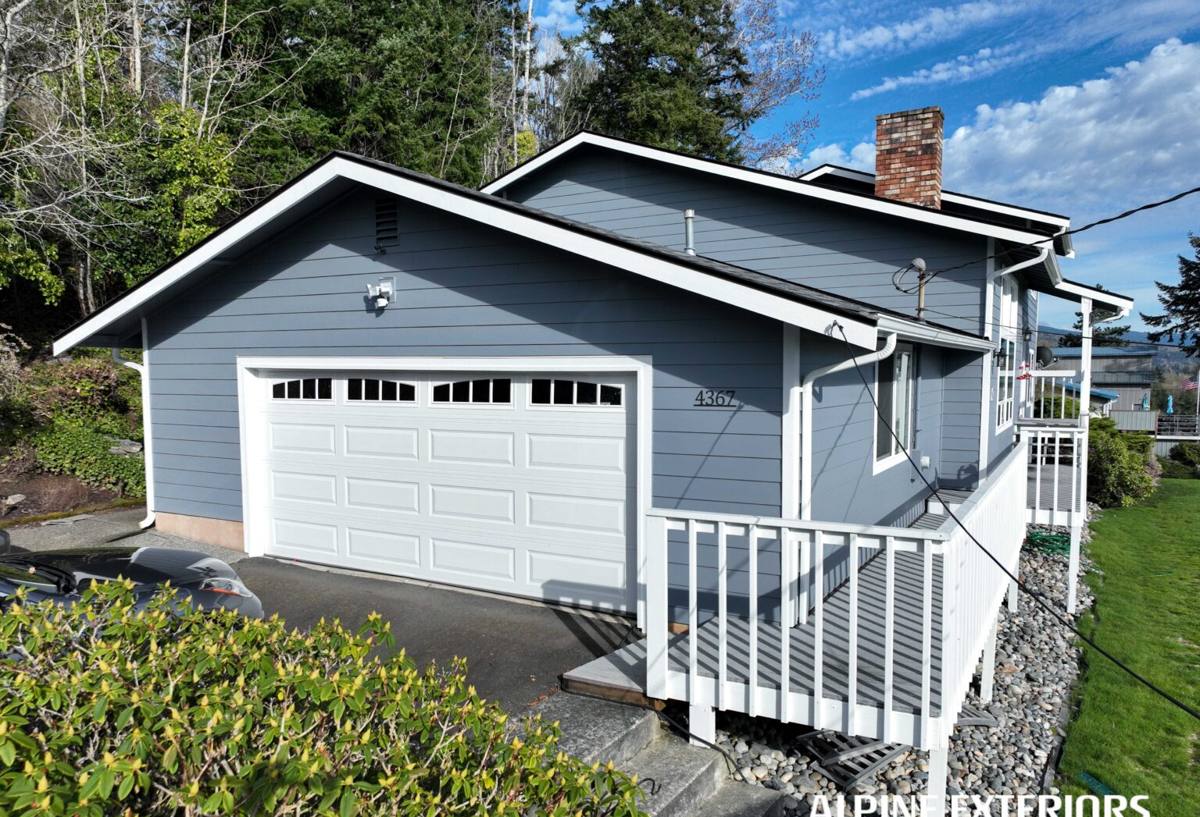
What Seattle's Marine Climate Does to a Deck
Composite decking doesn't rot the way wood does, but it isn't immune to the effects of a wet climate — the problems just show up differently.
Rain and moisture cycling
Seattle gets a long stretch of low-intensity rain rather than short heavy downpours, which means decking surfaces and the framing underneath stay damp for extended periods, especially from fall through spring. Composite boards handle surface moisture well, but the substructure beneath them — joists, beams, ledger connections — is still typically wood, and that framing needs airflow and proper flashing to dry out between rain events.
Salt air
Queen Anne's elevation and closeness to the Sound mean salt-laden air reaches homes here more than it would further inland. Salt accelerates corrosion on fasteners, brackets, and any exposed metal hardware. It's a slow process, but it's steady, and it's one of the reasons hardware selection matters as much as the decking material itself.
Moss and algae growth
Shade, moisture, and mild temperatures are exactly what moss and algae need to establish themselves, and Seattle's long wet season gives them plenty of time to do it. Moss on a deck surface isn't just cosmetic — it holds moisture against the board, and on the wood framing below, that moisture can sit long enough to cause real damage even if the decking itself is composite.
Composite vs. Wood vs. PVC: How They Compare Locally
There's no single "best" decking material — the right choice depends on how much maintenance you want to do, your budget, and how exposed the deck is to sun, shade, and rain. Here's how the three main options generally compare for a Queen Anne property.
| Material | Moisture Behavior | Maintenance | Typical Lifespan |
|---|---|---|---|
| Pressure-treated wood | Absorbs and releases moisture; prone to cupping, splitting, and mold in shaded, damp spots | Annual cleaning, periodic sealing or staining | 10–15 years before major repair or replacement |
| Composite (capped) | Resists moisture absorption; surface sheds water, doesn't swell or splinter | Periodic washing to keep moss and pollen from taking hold | 25–30+ years, manufacturer-dependent |
| PVC / cellular decking | Fully synthetic, essentially impervious to moisture | Low; occasional washing | 25–30+ years, often with longer warranties |
For most Queen Anne homes, capped composite hits a practical middle ground — it costs less than PVC, holds up far better than wood in a wet, shaded climate, and doesn't need the sanding, staining, or sealing that wood decking demands every year.
What a Correct Composite Deck Installation Actually Involves
Composite boards are only as good as what's underneath and around them. Most of the problems we see on existing decks — soft spots, sagging, staining, deck boards that stay wet for days — trace back to shortcuts in the parts you can't see once the project is finished.
Framing and joist spacing
Composite boards have different flex characteristics than wood, and manufacturers specify joist spacing (commonly 16 inches on center, sometimes tighter for angled or picture-frame layouts) to keep the deck surface from feeling springy over time. Framing built to wood-decking spacing standards can leave composite boards under-supported.
Fasteners and hardware
Given the salt exposure in this part of Seattle, hardware matters. We use fasteners and structural connectors rated for coastal or marine-grade exposure rather than standard interior-grade hardware, which corrodes faster under these conditions and can eventually compromise the connection it's holding.
Drainage and ventilation underneath
A deck that traps water and stale air underneath it will stay damp long after the surface has dried, which is exactly the environment that promotes rot in the framing and mold or moss growth at the board edges. Correct spacing between boards, proper slope away from the house, and clear airflow beneath the structure are what keep that space dry.
Ledger flashing at the house
Where a deck attaches to the house, the ledger board and its flashing are one of the most common failure points on any deck in a wet climate — and one of the least visible once the project is done. Done correctly, flashing directs water away from the house's siding and framing instead of channeling it directly into the wall assembly.
Our Process for a Queen Anne Composite Deck
- On-site assessment. We look at the existing structure (if there is one), the slope of the lot, sun and shade exposure, and how close the deck is to grade or to a drop-off, since elevated decks on sloped Queen Anne lots often need engineered structural support.
- Framing and structure. We build or reinforce the substructure to the spacing and load requirements the decking manufacturer specifies, using marine-grade fasteners and connectors throughout.
- Flashing and drainage detailing. Ledger flashing, proper board gapping, and drainage away from the house are addressed before a single composite board goes down.
- Composite board installation. Boards are installed with hidden fastener systems where the product allows, giving a clean surface with no exposed screw heads to collect moisture or grime.
- Final walkthrough. We go over care and cleaning expectations specific to this climate — what to expect in the first wet season, and how to keep moss from establishing on the surface.
Maintaining a Composite Deck in a Wet, Shaded Climate
Composite decking is low-maintenance, not no-maintenance — especially in a neighborhood with as much shade and rainfall as Queen Anne gets. A little seasonal attention goes a long way toward keeping a deck looking and performing the way it should for decades.
- Sweep debris (leaves, needles, seed pods) off the surface regularly — organic debris trapped between boards holds moisture and feeds moss growth
- Wash the deck surface at least once or twice a year with a mild soap and soft-bristle brush; avoid pressure washers on composite unless used carefully at low pressure and a wide angle, since aggressive pressure washing can damage the board's cap layer
- Check board-to-board gaps periodically to make sure debris hasn't built up and blocked drainage
- Trim back overhanging branches or vegetation where possible to reduce shade and let the deck surface dry faster after rain
- Inspect fasteners and any visible hardware once a year for early signs of corrosion, particularly on decks closer to the water
- Address any moss as soon as it appears with a composite-safe cleaner rather than letting it spread across the surface
Cost Factors for a Composite Deck Project
Every deck project is different, but the same handful of factors drive most of the cost variation we see on composite decking jobs in this area.
| Factor | How It Affects Cost |
|---|---|
| Deck size and shape | Larger decks and complex shapes (angles, curves, multiple levels) require more material and labor |
| Height and structural complexity | Elevated decks on sloped lots often need engineered footings and additional structural support |
| Board tier and brand | Composite lines range from entry-level capped boards to premium multi-tone, high-density products |
| Railing and fascia choices | Composite or metal railing systems and matching fascia boards add cost over basic wood railing |
| Removal of an existing deck | Demolition and disposal of an old wood deck adds to the project timeline and cost |
| Access to the site | Sloped or tight-access Queen Anne lots can affect equipment access and labor time |
Rather than quote a number without seeing the site, we'd rather walk the property, understand what you're trying to get out of the space, and give you a real range based on your specific deck.
Why It Matters to Hire a Crew That Already Works in Queen Anne
Composite decking is a product that performs well almost anywhere when it's installed to spec — but "to spec" looks a little different in a neighborhood with Queen Anne's combination of elevation, salt exposure, tree cover, and long wet winters than it does in a drier, flatter part of King County. A crew that regularly works this neighborhood already understands which lots need engineered elevated framing, which exposures need extra attention to drainage and moss prevention, and which hardware holds up against the salt air coming off the Sound. That local familiarity shows up less in what's visible on day one and more in how the deck holds up five, ten, and twenty years down the road.
If you're weighing options for a new deck, a replacement, or converting an aging wood deck to composite, we're happy to take a look and talk through what makes sense for your specific home. Reach out for a free, no-pressure estimate using the form below — we'll walk the site, answer your questions, and give you honest numbers before any work begins.