 Seattle Siding
 Building Decks for Queen Anne's Hills, Views, and Weather
Queen Anne sits high above the rest of Seattle, and that elevation cuts both ways. The views from a deck up here are some of the best in King County, but the same exposure that gives you a skyline or water view also means more direct wind-driven rain, more moss pressure on shaded north- and east-facing lots, and in some pockets, a noticeable salt-air component carried up from Puget Sound. A deck built for a dry climate, or even built to a generic Pacific Northwest standard, doesn't always hold up to what a Queen Anne lot actually throws at it year after year. We build decks specifically with this neighborhood's conditions in mind, not a one-size-fits-all spec.
This page covers what we think a correctly built Queen Anne deck needs, how we approach the job from first visit to final walkthrough, and why a crew that already works this neighborhood tends to catch problems that a crew unfamiliar with the area might miss.
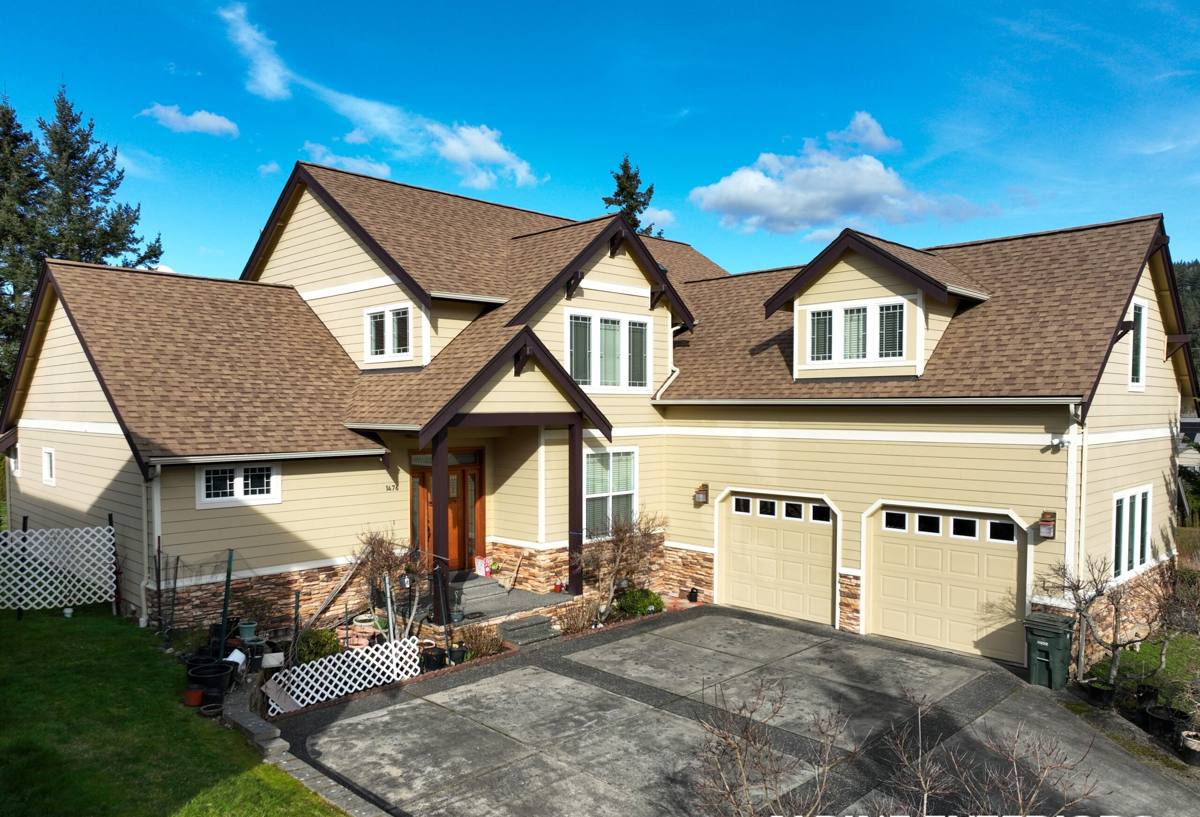
What Queen Anne's Climate Actually Does to a Deck
Seattle's marine climate means long stretches of steady, low-intensity rain rather than short violent storms, and that changes how a deck fails over time. It's rarely a single storm that damages a deck here — it's the slow accumulation of moisture in places it shouldn't sit.
Driving rain and slope orientation
Queen Anne's topography means many homes catch wind-driven rain at an angle rather than straight down, especially on the west- and south-facing slopes toward the Sound. That matters for how ledger boards, flashing, and fascia are detailed — water pushed sideways against a wall needs a different flashing approach than water that simply falls and drains.
Moss season
Shaded lots, mature trees, and the long wet season from fall through spring all favor moss and algae growth on horizontal surfaces. Moss holds moisture against decking boards long after the rain has stopped, which accelerates rot in wood and can leave slick, discolored surfaces on composite decking if the wrong board profile or finish is used.
Salt air
Depending on elevation and orientation, some Queen Anne properties get enough airborne salt off Puget Sound to accelerate corrosion on unprotected fasteners and hardware. It's not as severe as a true waterfront lot, but it's enough that we don't treat every fastener as interchangeable.
What a Correct Deck Build Involves Here
A deck that's going to last in this environment comes down to a handful of decisions made before the first board goes down.
Ledger attachment and flashing
The ledger board — where the deck attaches to the house — is the single most common failure point we see on older Seattle-area decks. Proper flashing that directs water away from the house framing, rather than trapping it behind the ledger, is non-negotiable. This is also where code requirements are strictest, and for good reason.
Footings and framing for our soil
King County soil varies block to block, and Queen Anne's hillside lots can mean grade changes that affect footing depth and drainage around posts. Footings need to be sized and placed for the actual soil and slope on your lot, not a generic footing schedule.
Fastener and hardware selection
Given the moisture exposure and the salt-air factor on some lots, we use corrosion-resistant fasteners and structural hardware rated for exterior, coastal-influenced use. Mixing incompatible metals (for example, the wrong fastener in contact with certain hardware finishes) can cause galvanic corrosion that shows up years later as staining or hardware failure — it's a detail that's cheap to get right up front and expensive to fix later.
Decking material and gapping
Board spacing has to account for both wood movement and drainage. Too tight, and debris and moisture sit between boards, feeding moss and rot. Too loose, and the deck feels unfinished and traps small debris. We set gapping based on the specific material and the season we're building in, since wood moisture content varies through the year here.
Surface drainage and slope
Every deck surface should have a slight slope away from the house so water sheds instead of pooling. On a long, steady-rain climate like ours, a flat or reverse-sloped deck surface is one of the fastest ways to end up with standing water, moss, and premature wear.
Decking Material Options for Queen Anne Homes
There's no single "correct" material for every deck — it depends on your budget, how much upkeep you want to do, and how much sun or shade the deck gets.
| Material | Moss/Moisture Behavior | Maintenance | Typical Lifespan |
|---|---|---|---|
| Pressure-treated wood | Needs regular cleaning and sealing to resist moss and rot in shaded areas | Annual cleaning, periodic sealing/staining | 10-15 years with upkeep |
| Cedar | Naturally moisture- and insect-resistant, but still needs sealing in wet, shaded spots | Sealing every 1-3 years | 15-20 years with upkeep |
| Composite decking | Resists rot; some board profiles shed moss better than others, texture matters | Occasional washing, no sealing/staining | 25+ years, manufacturer-dependent |
We're honest with clients about trade-offs rather than pushing one product. Composite decking costs more up front but removes the sealing cycle that Seattle's wet season makes easy to fall behind on. Wood costs less initially but only performs as well as the maintenance schedule it actually gets — and on a shaded Queen Anne lot, that maintenance schedule needs to be taken seriously, not treated as optional.
Our Process for a Queen Anne Deck Project
- On-site assessment — we walk the lot, check grade and drainage, note sun/shade exposure, and look at how the deck will tie into the existing structure.
- Design and material selection — we go over material options, layout, and railing choices based on your budget and how you'll use the space.
- Permitting — most new decks and many replacement decks in Seattle require a permit; we handle the application and inspection scheduling with the city.
- Demolition (if replacing an existing deck) — old material removed and hauled off, framing inspected for hidden rot before we build on it.
- Framing and ledger work — footings, posts, beams, and the critical ledger flashing detail.
- Decking installation — boards set with proper gapping and fastening for the material chosen.
- Railings, stairs, and finish details — built to current code for height and baluster spacing.
- Final walkthrough — we go over the finished deck with you, including basic care guidance for our climate.
Permits and Code in Seattle
Seattle's permitting requirements for decks depend on size, height above grade, and whether it's a new structure or a replacement. Decks attached to the house and any deck of meaningful height typically need a permit and inspection. We handle this as part of the job rather than leaving it to the homeowner, because permit and inspection sign-off protects you if you ever sell the home or need to make an insurance claim.
Signs Your Existing Deck Needs Attention
If you're not sure whether you need a repair or a full rebuild, these are the things worth checking or having a professional check:
- Soft, spongy, or discolored spots in the decking boards, especially in shaded areas
- Visible moss or algae buildup that returns quickly after cleaning
- Rust streaks around fasteners or hardware
- Gaps or movement where the ledger board meets the house
- Wobble in railings or posts
- Standing water that doesn't drain within a few hours after rain
- Stairs that feel less solid than they used to
Any one of these on its own might be a minor fix. Several together, especially near the ledger or framing, usually means it's time for a closer inspection before it becomes a safety issue.
Why a Local Queen Anne Crew Makes a Difference
A deck built without accounting for a specific lot's exposure, shade pattern, and soil often looks fine for the first year or two and then starts showing problems right around the time a homeowner has stopped thinking about it. We work in Queen Anne and the surrounding Seattle neighborhoods regularly, so we've seen how decks built to generic specs perform here versus decks built with this climate in mind from the start. That local pattern recognition — knowing which corners tend to get more wind-driven rain, which lots hold shade long enough to grow moss fast, where salt air becomes a real factor — shapes decisions we make on your project before problems ever show up.
We also know Seattle's permitting process and inspection expectations, which keeps the project moving instead of stalling on paperwork.
Get a Straightforward Estimate
If you're planning a new deck or need to replace one that's showing its age, we're happy to come out, take a look at your specific lot, and give you an honest assessment of what it needs. There's no pressure and no obligation — just a straight answer about your options and what a correct build looks like for your home. Fill out the form below to request your free estimate.