 Seattle Siding
 Roof Replacement in Queen Anne: Built for the Hill's Weather
Queen Anne sits high above the rest of Seattle, and that elevation cuts both ways. The views are real, but so is the exposure. Homes up here catch wind and driving rain off the Sound that lower, more sheltered neighborhoods never see, and the tree cover on the west and south slopes keeps roofs damp longer after every system that rolls through. Add King County's long, gray moss season and you have a roof that works harder than most people assume. A roof replacement here isn't just about swapping old shingles for new ones — it's about matching the assembly to what this specific hill does to a roof, year after year.
This page covers what Queen Anne roof replacement actually involves: what local homes need, what a correct installation looks like, how our process runs from estimate to cleanup, and why hiring a crew that already knows this neighborhood's quirks matters more than it might seem.
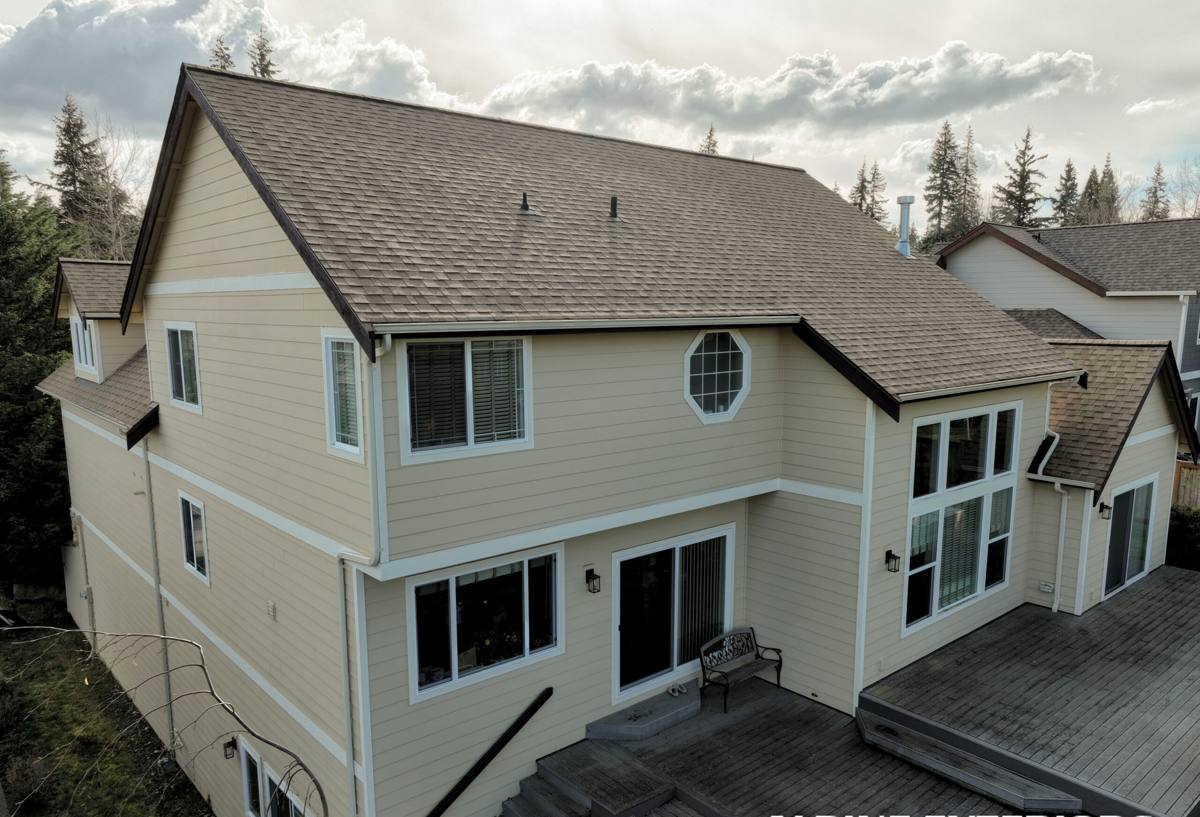
What Queen Anne's Climate Actually Does to a Roof
Salt Air and Metal Fatigue
Proximity to Puget Sound means a steady low-level exposure to salt-laden air, especially on the west-facing slopes of the hill. Salt air accelerates corrosion on exposed metal — flashing, fasteners, vents, and gutter hardware — well before the shingles themselves show their age. A roof that looks fine from the ground can have flashing that's already pitted and losing its seal underneath.
Driving Rain and Wind-Driven Water
Seattle's rain isn't just steady, it's often sideways. Wind off the water pushes rain up and under roofing materials at eaves, valleys, and anywhere the pitch changes, which is exactly where poorly detailed roofs fail first. On a hill like Queen Anne, wind exposure is higher than in more sheltered low-lying neighborhoods, so underlayment and flashing details matter more here than they would on a flat, tucked-in lot.
Moss, Shade, and Slow-Drying Roofs
Queen Anne's mature tree canopy is part of what makes the neighborhood pleasant to live in, but shaded, north-facing roof sections dry slowly after rain. That extended dampness is exactly what moss and algae need to establish. Once moss takes hold, it holds moisture against the roof surface, works into shingle laminations, and can lift edges enough to let water underneath — turning a cosmetic problem into a leak risk over a few seasons.
Signs a Queen Anne Roof Needs Replacing, Not Patching
- Granule loss showing up in gutters or at the base of downspouts, especially after a windy rain
- Moss or algae staining that comes back within a year or two of cleaning
- Soft spots, sagging, or visible dips when viewed from the street or a neighboring vantage point
- Flashing around chimneys, skylights, or roof-wall intersections that looks corroded, lifted, or gapped
- Daylight visible through the attic roof deck, or damp insulation after a heavy rain event
- Shingles that are curling, cracking, or missing tabs, particularly on west and south-facing slopes
- A roof over 20-25 years old that has never had a full tear-off, regardless of surface appearance
Patching can buy time for isolated damage, but once a roof shows two or more of the signs above, repeated repairs usually cost more over a few years than a single, correctly detailed replacement.
What a Correct Roof Replacement Involves
Full Tear-Off, Not Overlay
We remove the old roofing down to the deck rather than layering new material over old. Overlaying traps moisture, hides deck damage, and voids most manufacturer warranties. A tear-off also lets us actually see the deck and catch rot or soft spots before they're sealed under a new roof.
Deck Inspection and Repair
Any water-damaged or delaminated sheathing gets replaced before anything new goes down. Skipping this step is one of the most common ways a roof fails early, and it's not visible once the new roofing is installed — which is exactly why it needs to be done right the first time.
Underlayment Suited to Wind-Driven Rain
Given the wind exposure on the hill, we pay particular attention to underlayment coverage and lap direction, plus self-adhered membrane at eaves, valleys, and other vulnerable transitions, to guard against wind-driven water intrusion.
Flashing Rated for Salt Air Exposure
Because standard flashing corrodes faster in this air, we use flashing materials and fastener grades chosen for coastal-influenced exposure, not just whatever meets minimum code in a drier inland area. This is a small material decision at install time that has an outsized effect on how long the roof stays leak-free.
Ventilation That Matches the Home
Correct intake and exhaust ventilation reduces attic condensation, helps shingles last their full rated life, and reduces the slow-drying conditions that feed moss growth on shaded sections. We size ventilation to the actual roof and attic, not a one-size-fits-all formula.
Material Options for Queen Anne Homes
| Material | Typical Lifespan | How It Handles This Climate |
|---|---|---|
| Architectural asphalt shingles | 25-30 years | Good all-around performance; needs correct flashing and ventilation to resist moss and wind-driven rain |
| Standing seam metal | 40-50+ years | Sheds rain fast and resists moss buildup well; requires quality coatings and fasteners to manage salt-air exposure long term |
| Synthetic/composite shakes | 30-40 years | Mimics traditional look with less moisture absorption than wood; performs well in shaded, damp sections |
| Cedar shake | 20-30 years with upkeep | Traditional Northwest look, but higher maintenance burden in shaded, moss-prone areas — needs regular cleaning and treatment |
We don't push one product on every home. The right call depends on the roof's pitch, how much shade it gets, the home's architecture, and the owner's tolerance for ongoing maintenance. We'll walk through the honest trade-offs for your specific roof rather than defaulting to whatever is easiest to install.
Our Roof Replacement Process
1. On-Site Inspection and Estimate
We walk the roof and attic in person, note existing damage, ventilation condition, and any problem areas specific to shade or exposure on your lot, then give you a written estimate with no pressure to sign on the spot.
2. Material Selection
We go over the options above in plain terms — what fits your budget, your home's style, and how much maintenance you're willing to take on — and help you land on the right material for your situation.
3. Tear-Off and Deck Repair
Old roofing comes off, the deck gets inspected, and any damaged sheathing is replaced before we move forward. We'll flag anything unexpected we find before proceeding, not after the fact.
4. Installation
Underlayment, flashing, ventilation, and the roofing material go on to manufacturer specifications and matched to the conditions this hill produces — not a generic install.
5. Cleanup and Walkthrough
We do a magnetic sweep for nails, clear debris, and walk the finished roof with you so you know exactly what was done and what to expect going forward.
Why a Local Queen Anne Crew Matters
A roof replacement isn't just a materials list — it's a set of judgment calls about flashing detail, ventilation sizing, and material choice that should reflect the actual conditions a roof will face. A crew that regularly works Queen Anne and the greater Seattle area already knows which slopes hold moss longest, how much wind exposure to plan for on a hillside lot, and which flashing grades hold up against salt air over time. That local pattern recognition is difficult to replicate for a crew working from a generic checklist, and it's the difference between a roof that performs for its full rated life and one that needs attention again in five years.
We also stand behind the work with clear warranty terms on both materials and labor, explained up front in plain language before any contract is signed.
What Roof Replacement Typically Costs
| Factor | Why It Affects Cost |
|---|---|
| Roof size and pitch | Steeper roofs and larger square footage require more material, labor time, and safety setup |
| Material choice | Asphalt shingles, metal, and shake carry different material and labor costs |
| Deck condition | Rotted or damaged sheathing found during tear-off adds repair cost not visible in a surface-only estimate |
| Access and site conditions | Steep hillside lots, limited driveway access, or mature trees near the roofline can affect setup and disposal logistics |
| Ventilation upgrades | Adding or correcting intake/exhaust ventilation adds modest cost but extends the roof's service life |
Exact pricing depends on your roof's size, pitch, material choice, and what we find once the old roofing comes off. We give firm written estimates after an in-person inspection rather than ballpark numbers over the phone.
If your Queen Anne roof is showing its age — or you just want an honest read on how many years it has left — we're glad to take a look. Fill out the form below for a free, no-pressure estimate.