 Seattle Siding
 Why Rainier Valley Decks Wear Differently
Every deck in the Seattle area deals with the same basic enemy: water that never really stops showing up. But Rainier Valley adds its own wrinkles. Many lots here have mature trees and a good amount of shade, which means decking boards, joists, and railing posts stay damp longer after a storm than they would on an open, sun-exposed lot. Combine that with the Puget Sound region's salt-tinged marine air, King County's long rainy season, and the moss that thrives in shaded, moisture-heavy corners, and you get a deck that ages faster than the calendar would suggest.
None of that means a deck is doomed — it means repairs have to account for how the deck actually gets wet and stays wet, not just what's visibly rotted on the surface. A repair that only addresses the boards you can see, while ignoring the framing and connections underneath, tends to fail again within a season or two.
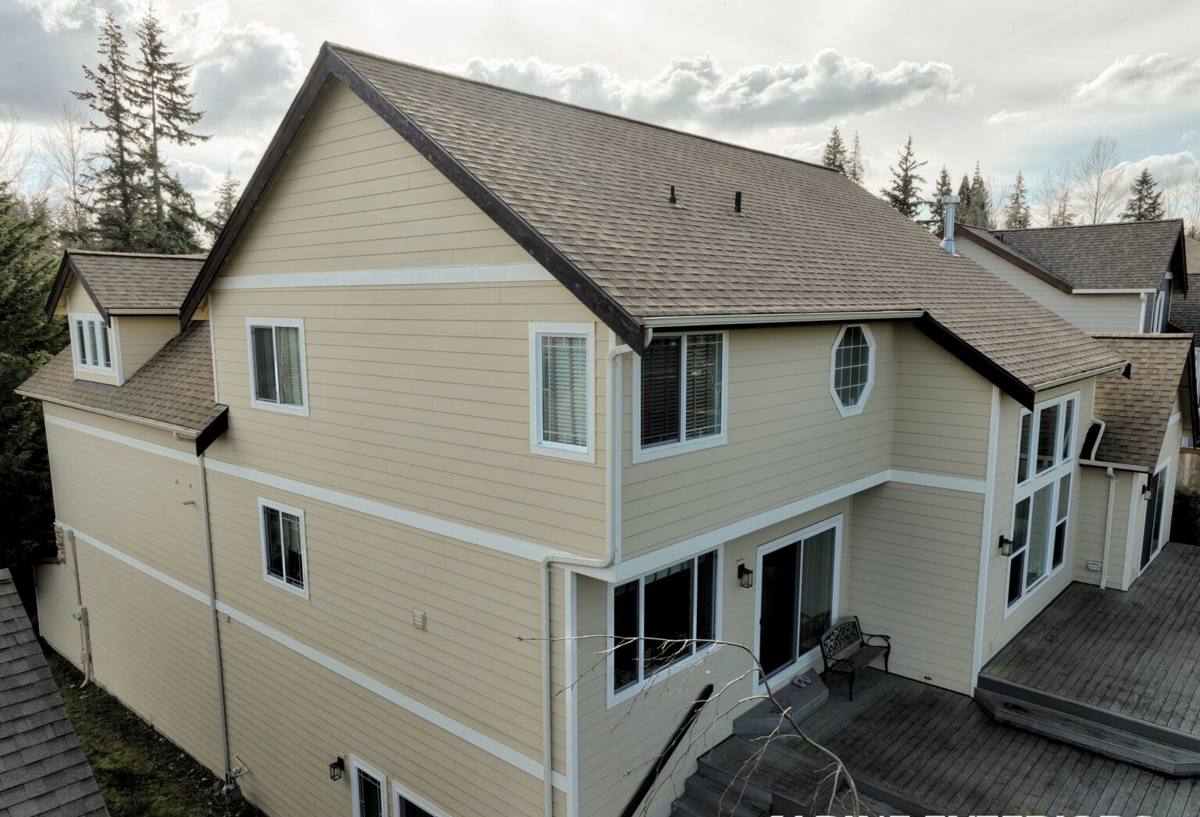
What Actually Causes Deck Damage in This Climate
Moisture that has nowhere to go
Decks fail from the inside out more often than from the top down. Water works its way into end grain, fastener holes, and the joints where boards meet framing. In a shaded, rain-heavy climate like ours, that moisture doesn't evaporate quickly, so it sits against wood fibers and hardware for days at a time. Over a few seasons, that's enough to soften wood and corrode fasteners even when the deck still looks fine from a distance.
Moss and organic buildup
Moss isn't just cosmetic. It holds moisture directly against the decking surface and, on stairs and ramps, creates a real slip hazard. Left alone through a full King County rainy season, a mossy deck surface accelerates the exact rot process a repair is trying to fix.
Ledger board and structural connections
The ledger board — where the deck attaches to the house — is the single most common failure point on older decks in this area. Flashing details that were acceptable decades ago often don't meet current standards, and once water gets behind that flashing, it can compromise the connection between the deck and the house framing without any obvious sign on the surface.
Signs Your Deck Needs Repair Now, Not Later
Most deck problems give some warning before they become safety issues. Here's what we tell Rainier Valley homeowners to check for between professional inspections:
- Soft, spongy, or springy spots when you walk across the decking
- Visible gaps, cupping, or splitting in individual boards
- Rust staining around fastener heads or streaking down support posts
- A gap or crack forming where the deck meets the house
- Wobbly railings or posts that shift when leaned on
- Persistent moss or algae that comes back within weeks of cleaning
- Stair stringers that flex or feel uneven underfoot
- Visible daylight or gaps at joist-to-beam connections underneath the deck
Any one of these on its own might be a minor fix. Several together usually mean the deck needs a full structural assessment before anyone spends money on cosmetic repairs.
Repair or Replace? How We Make That Call
Homeowners often assume a deck with visible damage needs full replacement. Often it doesn't. The honest answer depends on what's failing — surface boards and framing are two very different problems with very different costs.
| Component | Usually Repairable | Often Needs Replacement |
|---|---|---|
| Decking boards | Isolated splitting, cupping, or a few damaged boards | Widespread rot across most of the surface |
| Railings & balusters | Loose posts, minor splits, worn hardware | Rotted posts at the base or failing to meet current code height/spacing |
| Joists & beams | Localized soft spots caught early | Structural sag, widespread soft framing, or fastener failure |
| Ledger connection | Flashing repair with sound framing behind it | Rotted rim joist or house framing behind the ledger |
| Stairs | Loose stringers, worn treads | Stringers with structural cracking or rot |
The table above is a general guide, not a diagnosis — every deck earns its own inspection before we recommend a direction.
What a Correct Deck Repair Actually Involves
A repair that's done right in this climate goes beyond swapping out the boards that look bad. Our process typically includes:
- Pulling and inspecting suspect boards rather than just sistering over rot
- Checking joists, beams, and posts for soft spots with a probe, not just a visual look
- Verifying the ledger board flashing is intact and properly lapped to shed water away from the house
- Replacing corroded fasteners with hardware rated for treated lumber and exterior exposure
- Confirming railing height, baluster spacing, and post attachment meet current code
- Addressing drainage so water sheds off the deck surface instead of pooling
Skipping any of these steps is how a "repaired" deck ends up with the same soft spot back within a year or two — usually because the moisture source was never actually fixed, just covered up.
Materials and Standards We Hold To
For structural framing repairs, we use pressure-treated lumber rated for ground contact where it's called for, and we match or upgrade fastener grade to hot-dip galvanized or stainless where corrosion has already been a problem. For decking surface repairs, the right material depends on the homeowner's priorities:
Wood decking is more affordable to repair in sections and easier to match to an existing deck, but it needs regular sealing to hold up through our wet season. Composite decking resists moisture and moss better over time, but it's a poor match for spot repairs on an older wood deck and carries a higher upfront cost. We'll walk through the honest trade-offs for your specific deck rather than push one material as universally "better" — the right call depends on the age of the structure underneath, your maintenance plans, and your budget.
Why we're careful about mixed-material shortcuts
It's tempting to patch a wood deck with whatever composite board is on hand, but different materials expand, contract, and drain differently. Mixing them without accounting for that difference is a common source of the "repair that didn't hold" complaints we hear about from homeowners who had work done elsewhere.
Our Process, Start to Finish
We keep the process straightforward because deck repair shouldn't require a homeowner to become an expert in it themselves:
- On-site assessment — we inspect the decking, framing, posts, railings, and ledger connection, and probe for soft wood rather than relying on a visual check alone
- Clear scope and estimate — you get a written explanation of what's failing, what we recommend, and why, before any work starts
- Repair work — structural issues get addressed first, then surface and cosmetic items
- Moss and moisture cleanup — we clear organic buildup and correct drainage issues that contributed to the damage in the first place
- Final walkthrough — we go over what was done and what maintenance will help it last
Why a Crew That Already Works Rainier Valley Matters
Deck repair isn't just a materials problem — it's a familiarity problem. A crew that regularly works Rainier Valley and the surrounding Seattle neighborhoods has already seen how homes of different eras here were originally framed, what flashing details tend to fail first, and how shade and drainage patterns on a typical lot affect where moss and rot show up first. That familiarity shortens the diagnostic part of the job and reduces the odds of missing a problem that isn't obvious on a first look.
It also matters for permitting and code questions. Structural deck repairs and railing work can fall under King County or Seattle permitting requirements depending on scope, and a crew that works this area regularly knows when a project needs a permit versus when it's routine maintenance.
Keeping a Repaired Deck in Good Shape
Once a deck is repaired, a little seasonal upkeep goes a long way in this climate:
- Clear leaves and debris from between boards before the wet season sets in
- Rinse off moss and algae as soon as it appears rather than letting it establish
- Reseal or restain wood decking on a regular schedule, since UV and rain break down finishes faster in exposed areas
- Check the ledger flashing and fastener condition once a year
- Keep gutters and downspouts clear so runoff isn't draining directly onto or under the deck
These are small habits, but they're the difference between a repair that lasts a decade and one that needs revisiting in two or three years.
If your deck has soft spots, loose railings, moss that keeps coming back, or you just want an honest opinion on repair versus replacement, we're glad to take a look. We offer free, no-pressure estimates for Rainier Valley homeowners — use the form below to get one scheduled.