 Seattle Siding
 Why Windows Take a Beating in Rainier Valley
Rainier Valley sits in a part of Seattle where the weather doesn't do anything extreme, but it also never really lets up. Long stretches of drizzle, driving rain that comes in sideways off a storm front, humid air rolling up from Puget Sound and Lake Washington, and short, low-sun winters all add up to conditions that are hard on window frames, seals, and glazing over time. Add in the moss and mildew that thrive on anything shaded and damp for months at a stretch, and you've got a climate that quietly wears down windows years before homeowners expect it.
Many homes in this part of Seattle are older — bungalows, postwar ranches, and mid-century builds with original or once-replaced windows that were never rated for today's energy codes. Older wood sashes swell and stick in wet months, single-pane glass loses heat fast, and aluminum frames from past decades conduct cold straight into the house. Energy-efficient window replacement here isn't just about lower utility bills, though that matters. It's about stopping moisture intrusion, cutting drafts, and keeping a home comfortable through King County's long gray season.
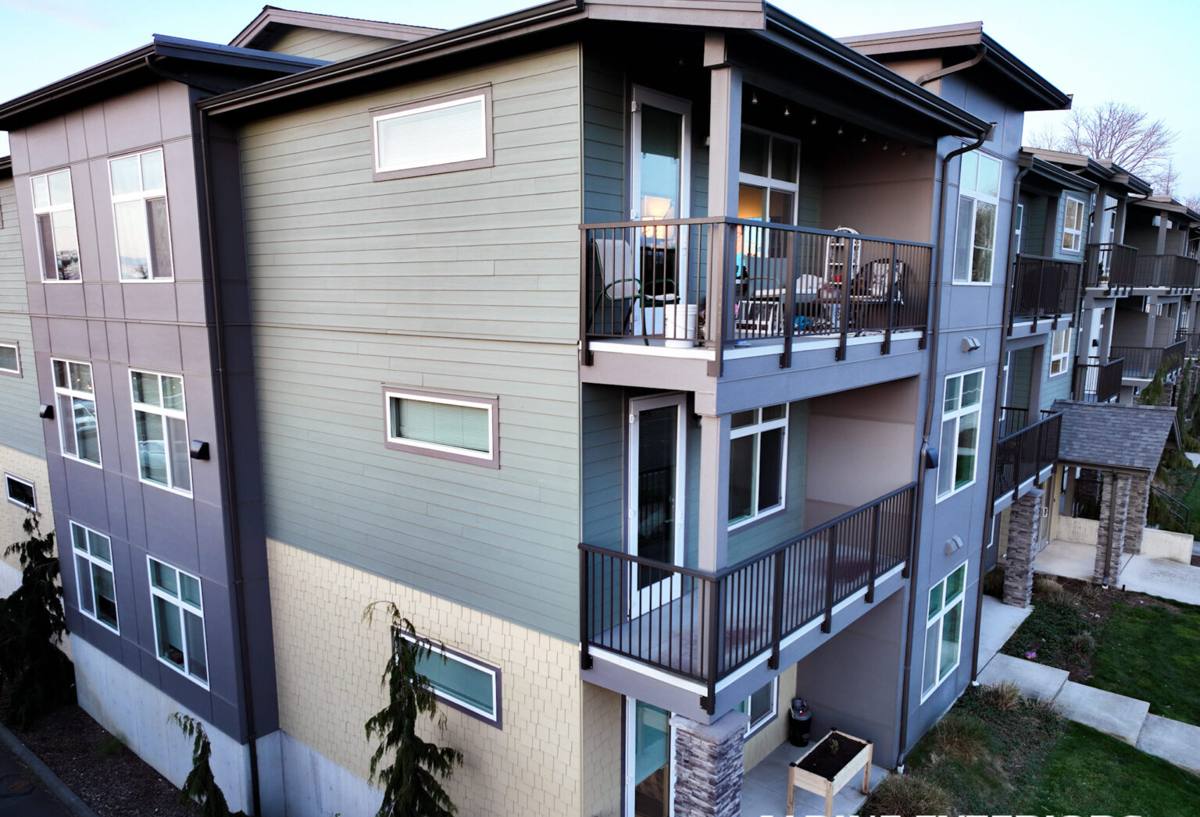
What "Energy-Efficient" Actually Means
The term gets used loosely, so it's worth breaking down what actually makes a window perform well in our climate. Every legitimate window carries an NFRC (National Fenestration Rating Council) label with a few key numbers, and those numbers matter more than the marketing on the box.
Reading the Label
- U-Factor — measures how well the window resists heat loss. Lower is better; for our marine climate zone, a U-factor at or below what Washington's energy code requires keeps heat inside during our cool, wet months.
- Solar Heat Gain Coefficient (SHGC) — measures how much solar heat passes through the glass. In Seattle we don't need to block sun the way a desert climate does, so a moderate SHGC often strikes the right balance between winter warmth and summer comfort.
- Air Leakage (AL) — measures draft resistance. This one matters enormously here, since driving rain will find any gap that lets air through.
- Condensation Resistance — a rating some manufacturers include; higher numbers mean less interior fogging during our humid, cool winters.
Low-E (low-emissivity) glass coatings and argon or krypton gas fills between panes both improve these numbers without changing how the window looks. Double-pane low-E glass is the standard for most Rainier Valley homes; triple-pane is worth considering on north-facing walls or busier streets where the extra pane also cuts noise.
Frame Material Trade-offs
| Frame Material | How It Handles Our Climate | Maintenance |
|---|---|---|
| Vinyl | Good insulator, won't rot; can flex slightly in temperature swings | Low — occasional cleaning |
| Fiberglass | Very stable in wet/dry cycling, strong seal retention | Low |
| Wood (clad exterior) | Excellent insulator, classic look for older homes; needs a sound exterior clad or paint layer to stay dry | Moderate — watch clad seams and interior finish |
| Aluminum | Durable but conducts cold without a thermal break; can sweat and fog in humid winters | Low, but performance suffers without a thermal break |
We steer most homeowners away from bare, non-thermally-broken aluminum for full replacements in this climate — not because it's a bad material outright, but because it conducts cold and invites interior condensation on our damp winter days, which shows up as fogged glass and, eventually, water staining on sills and trim.
Problems We Commonly See in This Neighborhood
Walking through Rainier Valley homes, a handful of issues come up again and again:
- Fogged double-pane glass — the seal between panes has failed and moisture has gotten between the layers. This can't be cleaned; the insulated glass unit needs replacing.
- Drafts around older wood or aluminum frames — weatherstripping breaks down, and gaps let cold, damp air in exactly where you don't want it.
- Wood rot at sills and corners — a slow, quiet problem caused by years of rain finding its way past aging caulk or flashing.
- Moss and mildew staining — shaded elevations and north-facing walls hold moisture longer, and it shows on frames, sills, and nearby siding.
- Single-pane glass still in service — common in unrenovated sections of older homes, and a major source of heat loss.
Our Installation Process
A window replacement is only as good as the flashing and sealing behind it — the glass and frame get all the attention, but it's the water management detail that determines whether the install holds up through our wet season.
Step by Step
- On-site assessment — we check existing frame condition, look for rot or moisture damage, and measure each opening precisely, since older homes are rarely perfectly square.
- Product selection — we walk through frame material, glazing, and style options based on your home's age, exposure, and budget.
- Careful removal — old sashes and frames come out without damaging the surrounding siding or trim wherever possible.
- Sill and opening prep — any soft wood or existing water damage gets addressed before a new window ever goes in. Installing over a hidden problem just seals it in.
- Flashing and weatherproofing — proper flashing tape and sill pans direct any water that does get past the exterior cladding back out, not into the wall cavity. This step matters more here than almost anywhere else in the process.
- Installation and shimming — the window is set level, plumb, and square, then shimmed and fastened per manufacturer specs.
- Sealing — interior and exterior sealant beads close the gaps, with insulation in the cavity between frame and rough opening.
- Final inspection and cleanup — we check operation, seals, and finish work before we consider the job done.
Choosing Windows That Fit Your Home
Style matters as much as performance, especially in a neighborhood with a real mix of architectural eras. Double-hung windows suit many of the older bungalows and Craftsman-influenced homes in the area, since they preserve the original look while updating the performance underneath. Casement windows seal tighter against driving rain because the sash presses into the frame rather than sliding past it, which makes them a strong choice for walls that catch the worst of a storm. Sliders and picture windows work well for newer construction or larger openings where views matter more than historic matching.
Whatever the style, we recommend windows that meet or exceed Washington State Energy Code requirements for our climate zone. Seattle's code has gotten stricter over the years specifically because homes here lose so much energy to drafts and poor glazing, and a code-compliant window replacement pays that back in comfort and lower heating bills.
What Windows Cost — and What Drives the Price
Every home is different, but a few factors reliably move the price up or down. We give exact numbers only after seeing the actual openings, since older Rainier Valley homes often have non-standard sizes.
| Cost Factor | Why It Matters |
|---|---|
| Frame material | Vinyl is typically the most budget-friendly; wood-clad and fiberglass cost more but bring different performance and appearance benefits |
| Glazing (double vs. triple pane) | Triple-pane adds cost but pays off on noisy or exposed elevations |
| Number and size of openings | Larger picture windows and bay/bow configurations cost more than standard double-hung units |
| Condition of the existing opening | Rot repair or resizing an opening adds labor beyond a straightforward swap |
| Full-frame vs. insert replacement | Full-frame replacement (removing down to the studs) costs more but is often the right call on older, damaged openings |
Signs It's Time to Replace, Not Repair
- Visible fog or moisture trapped between panes
- Frames that feel cold to the touch or noticeably draftier than the rest of the room
- Wood that's soft, discolored, or spongy at the sill or corners
- Windows that are painted shut or won't stay open on their own
- A jump in heating costs with no other explanation
- Persistent moss, mildew, or black staining around the frame
Why Local Experience with This Neighborhood Matters
A crew that regularly works Rainier Valley homes knows what to expect before the first window even comes out. That means recognizing common framing quirks in homes from certain eras, knowing how to time installs around King County's wetter months so openings aren't sitting exposed to rain any longer than necessary, and understanding which flashing details actually hold up against wind-driven rain versus what merely looks fine on a dry install day. It also means being realistic with homeowners about what a home's age and condition will require — not upselling, not underselling the prep work that protects the investment.
Local experience also shows up in the small things: matching trim profiles on older homes, working efficiently to limit how long a house is open to the weather, and being straightforward about which products are worth the extra cost for a wall that takes the brunt of a storm versus a sheltered one that doesn't need the upgrade.
After Installation: Keeping Windows Performing
New windows still need a little seasonal attention in this climate. Clear debris and moss growth from sills and tracks before it holds moisture against the frame. Check exterior caulking lines once a year, since UV and constant damp-dry cycling will eventually break down even good sealant. Keep an eye on drainage weep holes on sliders and casements so they aren't blocked by dirt or paint. None of this is heavy maintenance, but a few minutes twice a year goes a long way toward getting the full lifespan out of the investment.
If your windows are drafty, fogged, hard to operate, or just old enough that you're not sure what's behind the trim, we're happy to take a look. We offer free, no-pressure estimates for Rainier Valley homeowners — come take stock of what you have, get straight answers about what it would take to fix or replace it, and decide from there with no obligation.