 Seattle Siding
 Siding Repair Built for Rainier Valley's Weather, Not Just the Damage You Can See
Rainier Valley sits in a part of Seattle where the siding on a house works harder than most homeowners realize. Between the salt-carrying air moving in off the Sound, long stretches of driving rain through fall and winter, and a moss season that can run half the year in shaded, tree-lined yards, exterior siding here takes a slow, steady beating. A repair that only addresses the crack, gap, or stain you can see from the sidewalk often misses the moisture problem sitting behind it. We repair siding in Rainier Valley the way we'd want it done on our own homes: find what's actually causing the damage, fix that, and then make the repair disappear into the rest of the house.
This page is specifically about siding repair — not full re-siding — for homes in this Seattle neighborhood. If your siding is fundamentally sound but has isolated damage, rot, or moisture intrusion, this is what a correct repair looks like and what to expect from a crew that knows this part of King County.
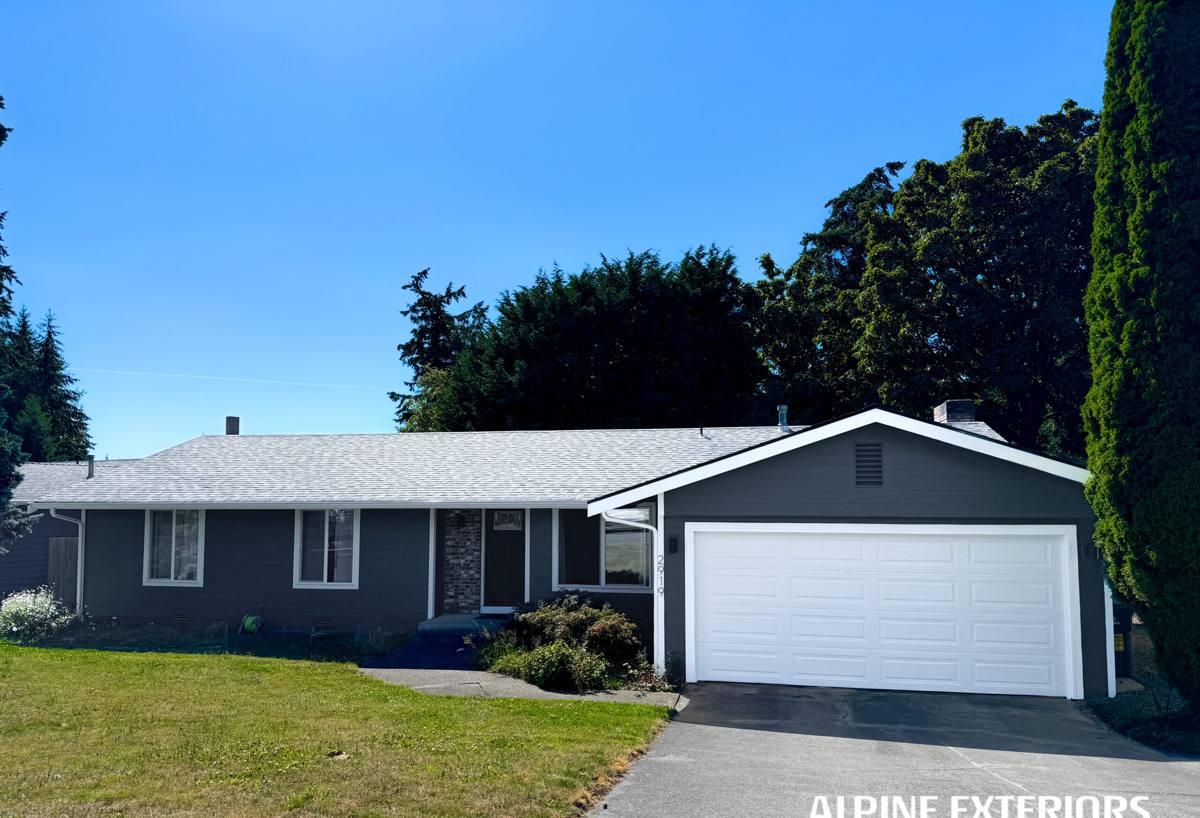
What King County's Climate Does to Siding Over Time
Moisture is the real enemy, not just rain
Seattle doesn't get dramatic downpours as often as it gets long, low-intensity rain that seeps into any gap, seam, or crack it can find. Combined with humid air and limited direct sun in shaded yards, that moisture doesn't dry out quickly. Wood-based siding materials absorb it, swell, and eventually rot from the inside — often well before the surface shows obvious damage. Fiber cement resists this far better, but even Hardie siding fails at repair-sized spots when flashing, caulking, or a butt joint wasn't detailed correctly in the first place.
Salt air accelerates the wear
Homes closer to Puget Sound deal with airborne salt that speeds up the breakdown of caulking, fasteners, and paint film. It doesn't rot wood by itself, but it degrades the protective layers that keep water out, which shortens the time between "the siding looks a little tired" and "the siding is actively letting water in."
Moss doesn't just look bad — it holds water against the wall
Rainier Valley's mature tree canopy and shaded lots make it excellent moss territory. Moss on siding isn't only a cosmetic issue: it holds moisture directly against the surface for extended periods, which is exactly the condition that causes rot, paint failure, and caulk breakdown in the areas underneath it.
Signs Your Siding Needs Repair (Not a Full Replacement)
Most of the repair calls we get in this neighborhood fall into a predictable set of problems. If you're seeing one or two of these in an otherwise sound house, repair is usually the right call:
- Soft, spongy, or visibly swollen boards in one or two isolated spots
- Cracked or split siding near corners, window trim, or where two pieces meet
- Paint or finish peeling in a concentrated area rather than across the whole house
- Dark staining or streaking below a specific seam, joint, or piece of trim
- Gaps that have opened up at butt joints, corners, or around penetrations like vents and hose bibs
- Moss or algae buildup concentrated on the shaded or north-facing side of the house
- Siding that was damaged by a storm, falling branch, or impact but the rest of the wall is in good shape
If the damage is scattered across most of the house, if the underlying sheathing is soft over a wide area, or if the siding is a material nearing the end of its practical service life, that's usually a replacement conversation instead — but that's a separate decision from what this page covers.
What a Correct Siding Repair Actually Involves
Finding the water source before touching the siding
The most common mistake in siding repair is replacing the damaged board without figuring out why it failed. If a leaking window flashing, a clogged gutter, or a missing kick-out flashing caused the rot, swapping the board without fixing the source just buys a year or two before the same spot fails again. Every repair we do starts with tracing the water path, not just patching the visible symptom.
Matching material and finish
A repair that stands out visually is a repair that was done carelessly. For Hardie siding, that means matching plank width, exposure, and texture, and using ColorPlus-matched or properly primed and painted replacement pieces so the repaired section blends in rather than looking like a patch. For other materials, matching existing profiles closely enough to avoid an obvious seam takes more care and isn't always possible — which is one of the trade-offs of maintaining siding types with limited product consistency.
Getting the flashing and water management right
Correct installation behind the siding — house wrap, flashing at joints and penetrations, proper lap and fastening — matters more than the visible surface. A repair that reinstalls new material over the same faulty water management just resets the clock on the same failure. We correct the water management detail as part of the repair, not as an upsell afterward.
Sealing without over-sealing
It's tempting to caulk every seam heavily and call it "sealed," but siding needs to shed water, not trap it. Over-caulking can lock moisture into a wall assembly that was designed to let it escape. Correct repair uses sealant only where it belongs, in the amount it belongs, and relies on proper flashing and lapping to do the rest of the work.
Repair Approach by Siding Material
Rainier Valley has a real mix of housing stock — older homes with original wood or cedar siding, mid-century houses that picked up vinyl or aluminum at some point, and newer builds with fiber cement or engineered wood products. We repair what's already on your house, but the right approach and the honest limitations differ by material.
| Siding Material | Common Rainier Valley Repair Issues | Our Repair Approach |
|---|---|---|
| James Hardie fiber cement | Damaged plank from impact, failed caulk joint, occasional installation-detail correction | Cut in a matched replacement piece, correct any flashing issue behind it, finish with ColorPlus-matched or properly painted material |
| Cedar / wood siding | Rot from trapped moisture, moss holding water against the board, paint failure exposing bare wood | Replace rotted sections where possible, address the moisture source, note that wood will need this again over time even with a good repair |
| Vinyl siding | Cracked or warped panels, especially from impact or heat, gaps opening at seams | Replace cracked panels with matching stock where available; exact color and profile matches get harder as panels age and fade |
| LP SmartSide / engineered wood | Edge swelling, delamination at cut ends, moisture intrusion at seams | Repair damaged sections and correct exposed or unsealed cut edges, which is usually what let the moisture in to begin with |
We install and stand behind James Hardie fiber cement as our siding of choice going forward — it holds up better against this region's moisture and moss cycle than the alternatives above. But that's a replacement decision, not a repair one. If your house has cedar, vinyl, or LP SmartSide siding, we'll still repair it correctly; we just won't pretend every material handles a Pacific Northwest winter the same way.
Our Process for a Rainier Valley Siding Repair
- Inspection and diagnosis. We look at the damaged area and trace it back to a cause — flashing, gutters, grading, caulk failure, or something else.
- Honest scope. We tell you plainly whether this is a true repair or whether the damage is wide enough that repair would be a short-term fix on a longer-term problem.
- Written estimate. You get a clear scope and price before any work starts — no surprise add-ons once the wall is opened up.
- Correct the cause first. Flashing, water barrier, or drainage issues get fixed before new siding material goes up.
- Match and install. Replacement material is matched as closely as possible in profile, exposure, and finish.
- Clean finish and walkthrough. We clean up the site and walk the repair with you so you know exactly what was done and why.
Why a Crew That Already Works Rainier Valley Matters
Siding repair in this neighborhood isn't generic exterior work. A crew that regularly works Rainier Valley and the surrounding Seattle neighborhoods already understands how the moss cycle behaves on shaded lots here, how much salt-air exposure to expect depending on how close a property sits to the Sound, and how the area's mixed housing stock — from older wood-sided homes to newer fiber cement builds — tends to fail. That familiarity shortens the diagnosis step and reduces the chance of a repair that looks right on installation day but fails again in eighteen months because the real cause was never addressed.
It also matters for something less obvious: knowing which repairs are worth doing and which ones are a homeowner throwing money at a symptom. A crew with no track record in the area has no particular reason to tell you that. A local crew that wants repeat work and word-of-mouth in the same neighborhood does.
Repair vs. Replace: What Actually Drives the Decision
| Factor | Points Toward Repair | Points Toward Full Replacement |
|---|---|---|
| Extent of damage | Isolated to one or two areas | Spread across multiple walls or elevations |
| Underlying sheathing | Solid, dry outside the repair zone | Soft or damp in multiple locations |
| Age of existing siding | Mid-life, otherwise performing well | Near or past its expected service life |
| Material type | Fiber cement or well-maintained wood | Aging vinyl, delaminating engineered wood, or widespread cedar rot |
| Cost over time | Lower upfront cost, addresses the immediate problem | Higher upfront cost, resets the maintenance clock house-wide |
Repair costs vary widely depending on how many areas need attention, whether flashing or water-barrier work is involved, and how much matching material is required — there's no honest flat number to quote without seeing the damage. What we can tell you upfront is whether your situation looks like a repair or whether we think you'd be better served putting that money toward planning a future replacement instead.
Keeping Repaired Siding From Failing Again
A good repair should outlast the conditions that caused the original damage, but Rainier Valley's climate doesn't stop working on your siding just because a section got fixed. A few habits go a long way after a repair is complete:
- Keep gutters clear so overflow doesn't run directly down the siding face
- Trim back branches and vegetation that keep a wall shaded and damp longer than it needs to be
- Rinse moss and algae buildup off siding before it thickens and holds water against the surface
- Check caulking at trim, windows, and joints every year or two, since it degrades faster near the Sound's salt air
- Address small paint or finish failures early, before bare material is exposed to the weather
None of this is complicated, but it's the difference between a repair that holds for the long term and one that quietly starts the same failure over again in a few years.
Get a Straight Answer on Your Siding
If you've got damaged, stained, or storm-worn siding in Rainier Valley and aren't sure whether it needs a repair or something bigger, we'll take a look and give you an honest answer — not just an estimate for whatever's easiest to sell. Request a free, no-pressure estimate using the form below and we'll walk you through exactly what we see and what we'd recommend.