 Seattle Siding
 Asphalt Shingle Roofing for Ravenna Homes
Ravenna sits under some of the heaviest tree canopy in Seattle. Between the ravine at Ravenna Park, the mature street trees, and the big conifers and bigleaf maples that shade so many of the lots here, roofs in this neighborhood live in a different microclimate than roofs out in the open. Add in Puget Sound's damp, salt-tinged marine air drifting inland and the long stretch of gray, drizzly months King County gets every year, and you've got conditions that are hard on any roofing material — but especially hard on asphalt shingles if they weren't installed with this specific climate in mind.
This page covers what asphalt shingle roofing looks like when it's done right for a Ravenna home: what the local climate demands, what a correct installation actually involves, and how our process handles the tree cover, moisture, and older housing stock that define this part of Seattle.
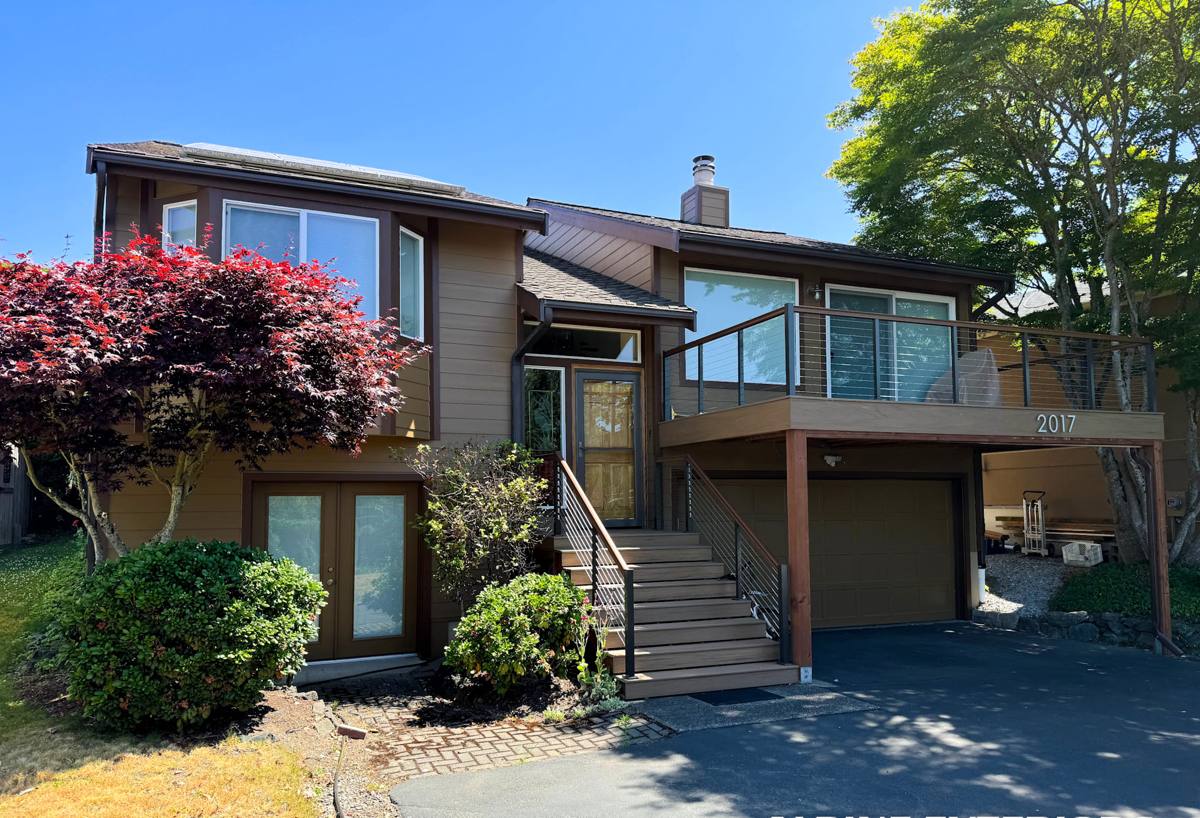
What Ravenna's Climate Actually Does to a Roof
Shade and Moss
Constant shade from tree canopy keeps roof surfaces cooler and slower to dry after rain. That extended damp period is exactly what moss and algae need to take hold. Once moss establishes on a shingle roof, it holds moisture against the shingle mat, lifts tabs, and accelerates granule loss — which is the beginning of the end for asphalt shingles long before their rated lifespan is up.
Needle and Leaf Debris
Conifer needles and broadleaf litter collect in valleys, behind chimneys, and along the eaves. Left alone, that debris dams water, forces it under shingle edges, and keeps gutters and valleys wetter than they should be — a slow, quiet path to rot in the roof deck below.
Wind-Driven, Sustained Rain
Seattle rain isn't usually violent, but it's persistent, and King County storms often bring it in sideways off the Sound. Shingles, flashing, and underlayment all have to work together to shed water that's being pushed uphill under the tabs, not just falling straight down.
Marine Air and Moisture Cycling
The salt-tinged, humid air common across the Seattle area accelerates corrosion on exposed fasteners and metal flashing, and it keeps humidity levels higher for longer after a storm passes — which again favors moss, algae, and slow deck moisture buildup over time.
What a Correct Asphalt Shingle Job Involves
None of the climate issues above are solved by the shingle alone — they're solved by the whole roofing system working together. A correct install for a Ravenna home includes:
- Ice-and-water shield at eaves, valleys, and around penetrations — the areas where wind-driven rain and debris dams are most likely to force water backward under the shingle course.
- Synthetic underlayment across the full deck as a secondary water barrier, since even a well-installed shingle field will see occasional wind-driven moisture intrusion over a multi-decade lifespan.
- Balanced attic ventilation — intake at the eaves, exhaust at the ridge — so moisture from inside the house doesn't condense against the underside of the deck, which is a common cause of premature sheathing rot in older, poorly-vented Seattle homes.
- Correct nailing pattern, six nails per shingle in high-wind or steep-pitch situations, placed in the manufacturer's nailing zone — not the tar strip, which is a common shortcut that causes blow-offs.
- New flashing at chimneys, sidewalls, and roof-to-wall transitions rather than reusing old, corroded pieces, especially given how marine air accelerates flashing corrosion here.
- Algae-resistant (AR) shingles with copper- or zinc-infused granules, which measurably slow the black algae streaking so common on shaded, north-facing slopes in this neighborhood.
Skip any one of these and the roof may look fine for a year or two, but the climate here has a way of finding the shortcut.
Choosing the Right Shingle for a Shaded, Wet Lot
| Shingle Type | Typical Lifespan | Best Fit for Ravenna |
|---|---|---|
| 3-tab asphalt | 15–20 years | Lower cost, but less wind resistance and no dimensional profile to help shed needle debris |
| Architectural / laminate | 25–30 years | Heavier, more wind-rated, and the standard choice for tree-covered, storm-exposed lots |
| Impact-resistant (Class 4) | 25–30+ years | Worth discussing if falling branches or debris are a recurring issue on a heavily wooded lot |
| Algae-resistant (AR) upgrade | Same as base shingle | Strongly recommended on any shaded or north-facing slope in this neighborhood |
Our Process on a Ravenna Roof
1. Inspection and Deck Assessment
We start on the ground and in the attic before we ever get on the roof — checking for daylight at the ridge, signs of past moisture staining, insulation condition, and existing ventilation. On older Ravenna homes, this step often reveals whether the original roof deck needs partial replacement before new shingles go down.
2. Tear-Off vs. Overlay
We tear off in almost every case. Overlaying a second layer of shingles traps moisture, hides deck damage, and voids many manufacturer warranties. On a climate like this one, where hidden moisture problems are common under heavy tree cover, we want eyes on the bare deck.
3. Deck Repair, Underlayment, and Flashing
Any soft or water-stained sheathing gets replaced. Ice-and-water shield and underlayment go down per the manufacturer's specification, and all flashing is replaced rather than reused.
4. Shingle Installation
Shingles are installed to the manufacturer's nailing and exposure specs, with extra attention at valleys, hips, and any roof-to-wall intersections where two roof planes or a wall meet — the spots most exposed to Ravenna's mix of shade, moisture, and debris.
5. Cleanup and Final Walkthrough
Magnetic nail sweeps, gutter and valley clearing, and a final walkthrough so you know what maintenance the roof will need going forward, particularly around moss and debris given the tree cover on most Ravenna lots.
Living With Trees: Maintenance That Actually Matters Here
A shingle roof under a tree canopy needs a bit more attention than one in the open, but it doesn't need to be complicated. The homeowners who get the longest life out of their roofs in this neighborhood tend to do the same handful of things:
- Clear needles and leaf litter from valleys and behind chimneys at least twice a year, more often on lots with heavy overhead cover
- Keep gutters clean so water isn't backing up under the eave line during heavy rain
- Have visible moss treated early with a proper roof-safe treatment rather than left to spread — zinc or copper strips near the ridge can help slow regrowth on shaded slopes
- Trim back branches that overhang the roofline to reduce shade, debris, and the risk of limb strikes during windstorms
- Schedule a roof check after any major windstorm, since branch strikes and lifted tabs aren't always visible from the ground
- Watch for granule buildup in gutters and downspouts, an early sign of shingle wear worth having inspected
What Affects the Cost of a Ravenna Re-Roof
| Factor | Why It Matters Here |
|---|---|
| Roof pitch and access | Steeper roofs and lots with limited street or driveway access (common on narrower Ravenna parcels) take more labor and staging |
| Deck condition | Homes with a history of moss or shaded moisture problems more often need partial deck replacement |
| Shingle grade | Architectural and Class 4 shingles cost more up front but hold up better under debris and wind exposure |
| Layers to remove | Older homes sometimes carry more than one existing shingle layer, adding tear-off time |
| Ventilation upgrades | Adding proper intake/exhaust venting during the re-roof is cheaper than doing it separately later |
| Tree-related staging | Overhead canopy can require extra care, tarping, or debris management during the job |
Every one of these varies from house to house, which is why an honest estimate has to start with a real look at your specific roof rather than a phone quote.
Why a Ravenna-Familiar Crew Matters
Roofing crews that mostly work drier, more open parts of King County can under-spec ventilation or skip algae-resistant shingles because it's simply not the problem they're used to solving. A crew that regularly works Ravenna and similar tree-heavy Seattle neighborhoods knows to check for shaded moss patterns, plan around overhead canopy during the job, and default to AR shingles and full underlayment systems as standard practice, not an upsell. That familiarity shows up later in fewer callbacks for moss, leaks, or premature wear.
We also know the practical side of working here: narrower lots, mature landscaping close to the house, and the access and staging considerations that come with both. None of that should be a surprise mid-project — it should be planned for from the estimate on.
Get an Honest Look at Your Roof
If your Ravenna home has visible moss, dark streaking, granules collecting in the gutters, or a roof that's simply getting up in years, it's worth having someone take an honest look before small problems turn into deck damage. We offer free, no-pressure estimates — use the form below to schedule a time for us to come take a look.