 Seattle Siding
 Building Decks for Ravenna's Particular Conditions
Ravenna is one of Seattle's more heavily wooded neighborhoods, and that changes what a deck has to deal with day to day. Mature tree canopy near Ravenna Park and throughout the surrounding blocks means a lot of yards get filtered light instead of direct sun, which slows down drying time after a storm. Add in Seattle's long stretch of driving rain through fall and winter, plus the salt-tinged air that moves in off Puget Sound, and you have a set of conditions that will find every weak point in a deck's design within a few wet seasons. We build decks in this neighborhood the way we'd want one built for our own backyard: with drainage, material selection, and fastener choices that account for shade and moisture, not just a design that looks good on a sunny install day.
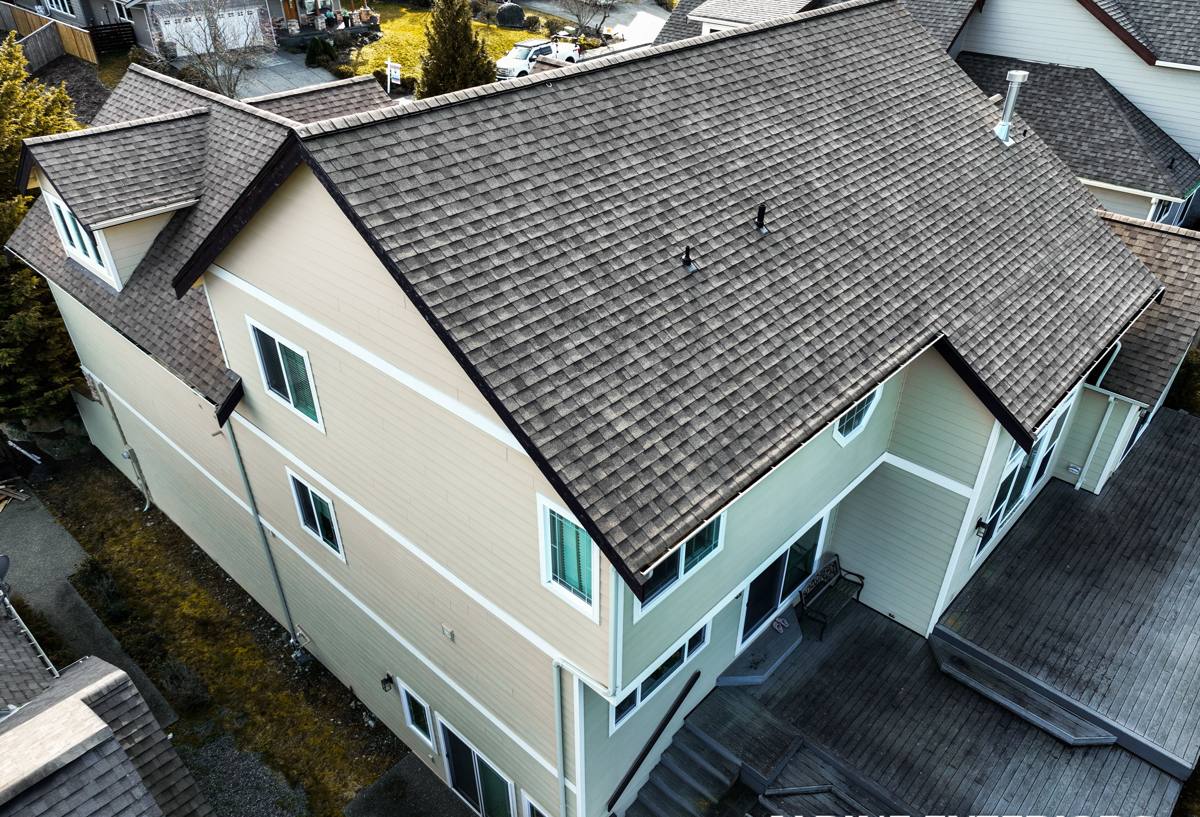
What Shade and Moss Do to a Deck Over Time
A deck in full sun in a drier part of King County dries out within hours of a rain event. A deck tucked under mature trees in Ravenna can stay damp for days, especially in the low-light months. That extended moisture window is exactly what moss, algae, and wood rot need to get established. Left alone, moss holds water directly against the decking surface, which accelerates decay in wood products and can stain or degrade the surface layer of some composites over time. It also makes the deck slick and genuinely dangerous underfoot on stairs and ramps.
Falling leaves and needles compound the problem. Debris that collects between boards or against a house wall traps moisture right where you don't want it — at the ledger connection, in gaps between joists, or in fastener holes. None of this means a shaded lot can't have a good deck. It means the build has to plan for moisture management from the ground up rather than assume the sun will dry out any mistakes.
Common Problems We See on Older Ravenna Decks
- Moss and algae buildup on boards that rarely see direct sun, leading to slick surfaces and premature wear
- Ledger boards attached to the house without proper flashing, allowing water to track behind siding
- Undersized or shallow footings that shift slightly over wet winters, leading to a bouncy or uneven deck
- Decking boards installed tight together with no gap, trapping needles and leaves and holding moisture against the wood
- Metal fasteners and hardware that weren't rated for treated lumber or coastal-influenced air, leading to corrosion and staining
Getting the Structure Right
Everything visible on a deck sits on top of a structure that has to handle Seattle's wet-season load without shifting or trapping water. This is where a lot of the long-term durability is actually decided, long before anyone picks a decking color.
Footings and Framing
Footings need to be sized and set to the depth required for the soil conditions on the lot, not just poured to a standard depth out of habit. Ravenna has a mix of soil types depending on where a property sits relative to the old ravine, so we check conditions on site rather than assuming. Framing lumber should be rated for ground contact where it's close to grade, and every joist should be protected with a proper joist tape or flashing so water can't wick directly into the end grain.
Ledger Attachment
The ledger board — where the deck ties into the house — is the single most common failure point we find on older decks in wet climates. It has to be flashed correctly so water sheds away from the house wall instead of running behind it. This detail doesn't show up in a finished photo, but it's the difference between a deck that lasts decades and one that causes hidden water damage to the house itself.
Drainage and Airflow
Under a shaded deck, airflow underneath the structure matters as much as the surface above it. We keep clearance between the framing and grade, avoid enclosing the underside without ventilation, and grade the ground below to move water away from the house rather than pooling under the deck.
Choosing Decking Material for a Shaded, Wet Lot
There isn't one right decking material for every project — it depends on budget, how much direct sun the deck gets, and how much upkeep the homeowner wants to take on. In a neighborhood like Ravenna, where a lot of decks sit under partial or heavy tree cover, moisture resistance and how a material handles algae and staining matter more than they might on an open, sunny lot.
| Material | Moisture & Moss Behavior | Maintenance | Typical Lifespan |
|---|---|---|---|
| Pressure-treated wood | Absorbs moisture readily; needs sealing to resist moss and rot in shaded areas | Annual cleaning and re-sealing recommended in wet, shaded yards | 10-15 years with regular upkeep |
| Cedar | Naturally rot-resistant but still needs care in constant shade and damp | Periodic cleaning and oil/stain to maintain color and resistance | 15-20 years with upkeep |
| Capped composite (e.g., Trex, TimberTech) | Resists moisture absorption well; surface layer resists staining better than wood | Periodic washing to remove pollen, needles, and surface algae | 25-30+ years, per manufacturer warranties |
| PVC decking | Doesn't absorb moisture; performs well in fully shaded, damp conditions | Occasional washing; generally the lowest upkeep option | 25-30+ years, per manufacturer warranties |
We install both quality wood and composite/PVC systems and we're straightforward about the trade-offs. Wood costs less up front and can be repaired board-by-board, but it demands real annual maintenance to resist moss and rot under tree cover — skip a year or two and a shaded deck will show it. Composite and PVC cost more initially but hold up with far less attention in exactly the conditions Ravenna's canopy creates. Neither is the "wrong" choice; the right one depends on how much maintenance time a homeowner actually wants to put in.
Railings, Stairs, and Local Code
Any deck built above a certain height off grade needs code-compliant railings, and the City of Seattle requires permits for decks over a specific size or height, along with inspections at key stages of the build. We handle the permit process as part of the job rather than leaving it to the homeowner — pulling the right permit, scheduling inspections, and making sure the finished structure meets current code for guard height, baluster spacing, and stair rise and run.
Stairs deserve extra attention in a moss-prone yard. Consistent rise and run matters for safety anywhere, but on a shaded Ravenna lot where treads can stay damp for days, we also think about tread material and surface texture so stairs aren't just code-legal but actually grippy underfoot in wet weather.
Our Process, Start to Finish
- On-site assessment — we look at sun exposure, tree cover, drainage, and how the deck will tie into the house before recommending anything.
- Honest material conversation — we walk through the real trade-offs between wood and composite/PVC for the specific spot on your property, not a one-size-fits-all pitch.
- Permit handling — we prepare and submit what's required through the City of Seattle and schedule inspections as needed.
- Structural build — footings, framing, ledger flashing, and joist protection done to hold up through wet Puget Sound winters.
- Decking, railing, and stairs — installed with proper spacing and fastening for drainage and long-term stability.
- Final walkthrough — we go over the finished deck with you, including what maintenance (if any) the chosen material will need going forward.
Living With a Deck Under Tree Cover
Whatever material you choose, a shaded Ravenna deck needs a bit more attention than one baking in full sun all summer. None of this is complicated, but it makes a real difference in how long the deck lasts and how it looks year to year.
- Sweep leaves and needles off the surface and out from between boards regularly through fall
- Rinse or gently wash the surface a couple of times a year to knock back algae and moss before it takes hold
- Keep gutters and downspouts near the deck clear so runoff isn't dumping extra water onto the structure
- Trim back overhanging branches where practical to let more light and air reach the deck surface
- Check and re-seal wood decking on the schedule the product calls for — don't wait until it's visibly gray or soft
- Walk the structure once a year and check for loose fasteners, soft spots, or shifting near the ledger and footings
Why a Crew That Knows Ravenna Matters
A deck built without accounting for tree cover, King County's wet-season rainfall, and salt-tinged coastal air will often look fine for the first year or two and then start showing problems: moss taking hold, a ledger connection that's letting water into the siding, or footings that shift slightly every winter. We work in Seattle's neighborhoods regularly, including the shaded, older-growth streets around Ravenna, and we build decks assuming the wet season is the real test, not the dry summer months when everything looks good regardless of how it was built.
If you're planning a new deck, replacing an aging one, or just want a straight answer about whether your current deck is holding up the way it should, we're happy to take a look. Reach out for a free, no-pressure estimate — we'll walk the site with you and give you an honest read on what your yard actually needs.