 Seattle Siding
 Windows Built for Renton's Weather, Not Just Any Weather
Renton sits in that stretch of South King County where marine air off Puget Sound meets the moisture pulled in around Lake Washington, and the result is a climate that's tough on window assemblies in ways homeowners in drier parts of the country never have to think about. Wind-driven rain finds its way into gaps that would stay dry somewhere else. Humidity lingers long enough for moss and mildew to take hold on sills, trim, and frames. Salt-tinged air off the Sound accelerates corrosion on hardware that isn't built to handle it. A window that's a great fit for Spokane or Boise can fail early here, not because the product is bad, but because it wasn't chosen or installed with this climate in mind.
"Custom" windows aren't about luxury add-ons — they're about matching the window to the actual opening, the actual exposure, and the actual load this house sees every winter. That's a different job than ordering a stock size off a shelf and caulking around the gaps.
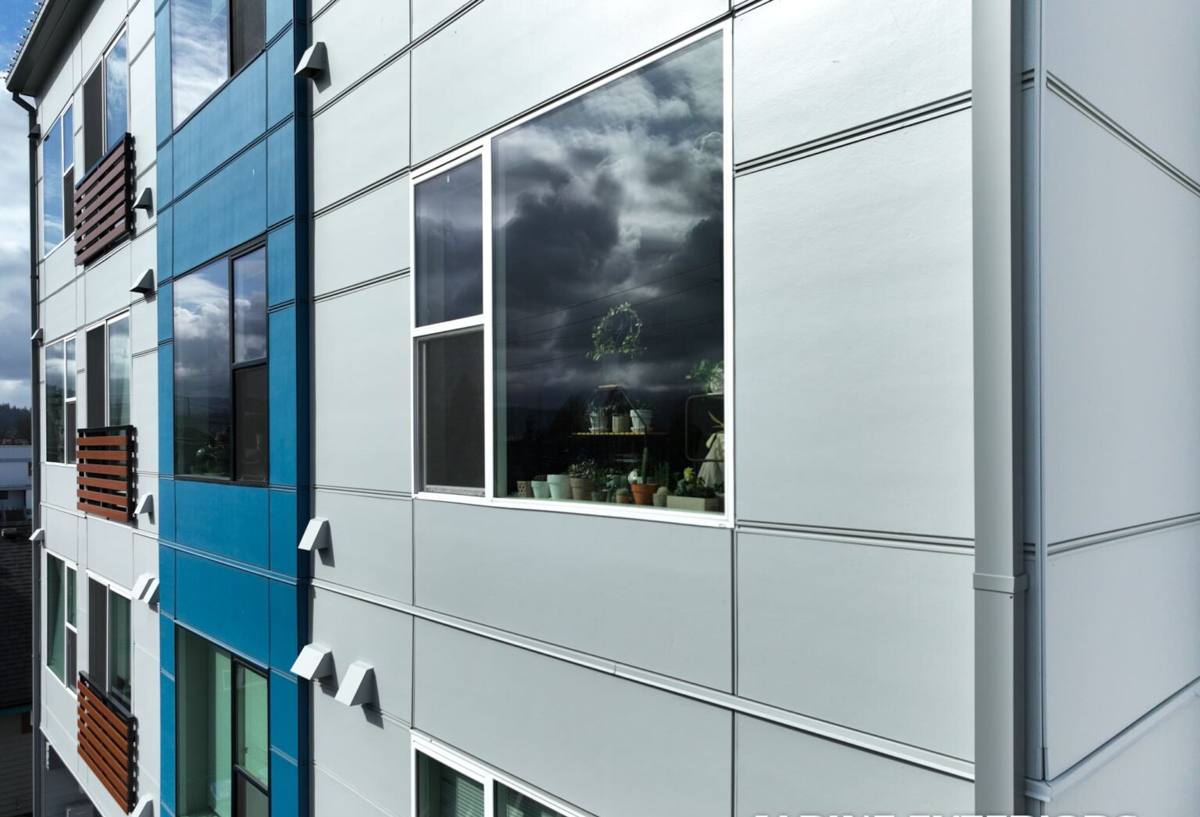
What "Custom" Actually Means in a Window Replacement
A lot of homeowners assume custom windows just means unusual shapes — arches, odd angles, oversized picture windows. That's part of it, but the bigger issue in older Renton neighborhoods is that very few original openings match today's standard window sizes exactly. Decades of settling, old-growth framing lumber, and hand-built construction mean every opening is slightly its own thing.
Custom work means:
- Precise field measurements of each opening, not assumed standard sizes
- Frame material and glass package chosen for that specific wall's sun exposure and rain exposure
- Sill pan and flashing details designed for the actual wall assembly behind the siding, not a generic template
- Matching sightlines and trim profiles so replacement windows don't look like an obvious patch job on an older home
Skipping any of this is how you end up with a window that technically fits the hole in the wall but fights the house for the next fifteen years.
The Three Things Renton's Climate Does to Windows
Driving Rain and Wind-Driven Moisture
Rain that falls straight down is easy to shed. Rain that's being pushed sideways by wind off the Sound is a different problem — it gets forced up under sills, behind trim, and into any seam that isn't properly lapped and sealed. On a lot of older Renton homes, the original window flashing was minimal or has degraded over the decades. When we replace a window, the flashing and sill pan detail matters as much as the window unit itself, because a great window installed over a bad flashing job will still leak.
Moss and Sustained Dampness
The long stretch of gray, damp months here gives moss and algae plenty of time to establish on anything that stays wet — wood sills, painted trim, even vinyl surfaces that trap moisture in a corner. Beyond the cosmetic issue, sustained dampness against wood trim or a wood-framed window is exactly the condition that leads to soft spots and rot. Material choice and drainage detailing both play into how much of a moss and moisture problem a given window ends up being over its life.
Salt Air and Hardware Corrosion
Homes closer to the Sound and Lake Washington deal with a fine mist of salt-influenced air that's harder on exposed metal than most people expect. Cheap hinges, latches, and balance hardware can start showing corrosion and stiffness years before the window itself would otherwise need attention. This is one of the areas where hardware quality matters more here than it would in an inland climate.
Choosing Materials and Glass for This Region
There's no single "best" window material — the right call depends on the wall, the sun exposure, and the homeowner's maintenance appetite. Here's how the common options actually compare for a house dealing with Renton's rain and moisture load:
| Material | Moisture Behavior Here | Maintenance | Best Fit |
|---|---|---|---|
| Vinyl | Won't rot; seams and welds are the weak point if installation is sloppy | Low — occasional cleaning | Budget-conscious full replacements |
| Fiberglass | Very stable in wet/dry cycling, holds paint and seals well | Low to moderate | Larger openings, homes wanting long-term stability |
| Wood (clad exterior) | Good if the exterior clad is intact; interior wood needs a dry, sealed exterior shell | Higher — finish and seals need periodic attention | Historic character homes where interior wood trim matters |
| Aluminum | Prone to condensation and corrosion in this climate without a thermal break | Moderate | Rarely our first recommendation for Renton exteriors |
On glass, a quality low-E, dual-pane package is the baseline we recommend for nearly every Renton home — it manages both heat loss in winter and the condensation that comes with a house full of humid indoor air pressed against cold glass. Triple-pane can make sense on north- and west-facing walls that take the worst of the wind and rain, though it's a cost-and-benefit conversation, not an automatic upgrade for every opening.
What a Correct Installation Actually Involves
The window unit itself is maybe a third of what determines whether the job holds up. The rest is installation detail — the part that doesn't show once the trim goes back on, but that determines whether you get a call back in two years about a soft spot under the sill.
- Removing old units without tearing out more of the surrounding wall assembly than necessary
- Inspecting the framing and sheathing underneath for existing rot or moisture damage before anything new goes in
- Installing a proper sill pan so any water that does get past the window drains back out, not into the wall
- Flashing tape and house wrap integration that follows a shingle-lap sequence — each layer overlapping the one below so water always sheds outward and down
- Correct shimming and fastening so the window operates smoothly and doesn't rack over time as the house settles
- Interior and exterior sealant appropriate to the material, not just a bead of whatever caulk is on the truck
- Final operation check — every sash opens, closes, and locks the way it should before we call the job done
Our Process, Start to Finish
- On-site assessment. We look at each opening, the wall assembly behind it, and any existing moisture or rot issues before quoting anything.
- Custom measurement and material selection. We measure exact openings and walk through material and glass options based on that wall's sun and rain exposure.
- Straightforward written estimate. You get a clear scope and price before any work starts — no surprise change orders for things we should have caught up front.
- Removal and structural check. Old windows come out carefully, and we flag any framing or sheathing repair needed before new units go in.
- Installation with full flashing and sealing detail. This is the step that actually determines how the window performs over the next twenty years.
- Walkthrough and operation check. We test every window with you before we consider the job finished.
Signs Your Current Windows Are Already Losing the Fight
Most window failure here is gradual, which is why it's easy to miss until it's a bigger repair than it needed to be. Worth checking for:
- Soft or discolored wood at the sill or lower corners of the frame
- Persistent fogging or moisture between panes (a sign the seal has failed)
- Visible moss or dark staining on sills, trim, or the wall just below a window
- Drafts you can feel with a hand near the frame on a windy day
- Hardware that's stiff, corroded, or won't latch fully anymore
- Difficulty opening or closing a sash that used to move freely
Any one of these on its own might just mean a repair or a reseal. Several at once, especially combined with visible rot, usually means it's time to talk about replacement before the surrounding wall framing gets drawn into the problem.
Why a Crew That Already Works Renton Matters
Window installation isn't a one-size-fits-all trade skill — the right approach for a dry-climate ranch house is not the right approach for a King County home that sits through months of driving rain every year. A crew that regularly works this specific area already knows which flashing sequences hold up, which materials handle the moss and moisture cycle well, and which shortcuts show up as callbacks two winters later. That local repetition is worth more than a generic install checklist, because the failures we're guarding against here — hidden sill rot, corroded hardware, moss-trapped moisture — are specific to this climate, not universal window problems.
Get a Straightforward Estimate
If you're dealing with drafty, foggy, or sticking windows on your Renton home — or you're planning ahead for a full replacement — we're glad to come take a look and give you an honest read on what your windows actually need. There's no pressure and no upsell script, just a clear estimate based on what we find at your house. The form below is the easiest way to get started.