 Seattle Siding
 Storm Damage Roof Repair for Renton Homes
Renton sits in one of the wetter, windier corners of King County, tucked between the Cedar River valley and the south end of Lake Washington. That geography means local roofs take a steady beating from driving rain, gusty windstorms that funnel through the valley, and a marine climate that keeps everything damp for months at a stretch. When a storm rolls through and knocks loose shingles, dents flashing, or opens up a seam, the damage doesn't always show itself right away — and waiting is usually what turns a simple repair into a much bigger project.
This page is about one thing: storm damage roof repair, done right, for homes in and around Renton. Not a general roofing pitch — the specific work of assessing what a storm actually did to your roof, fixing it correctly, and doing it in a way that holds up through the next one.
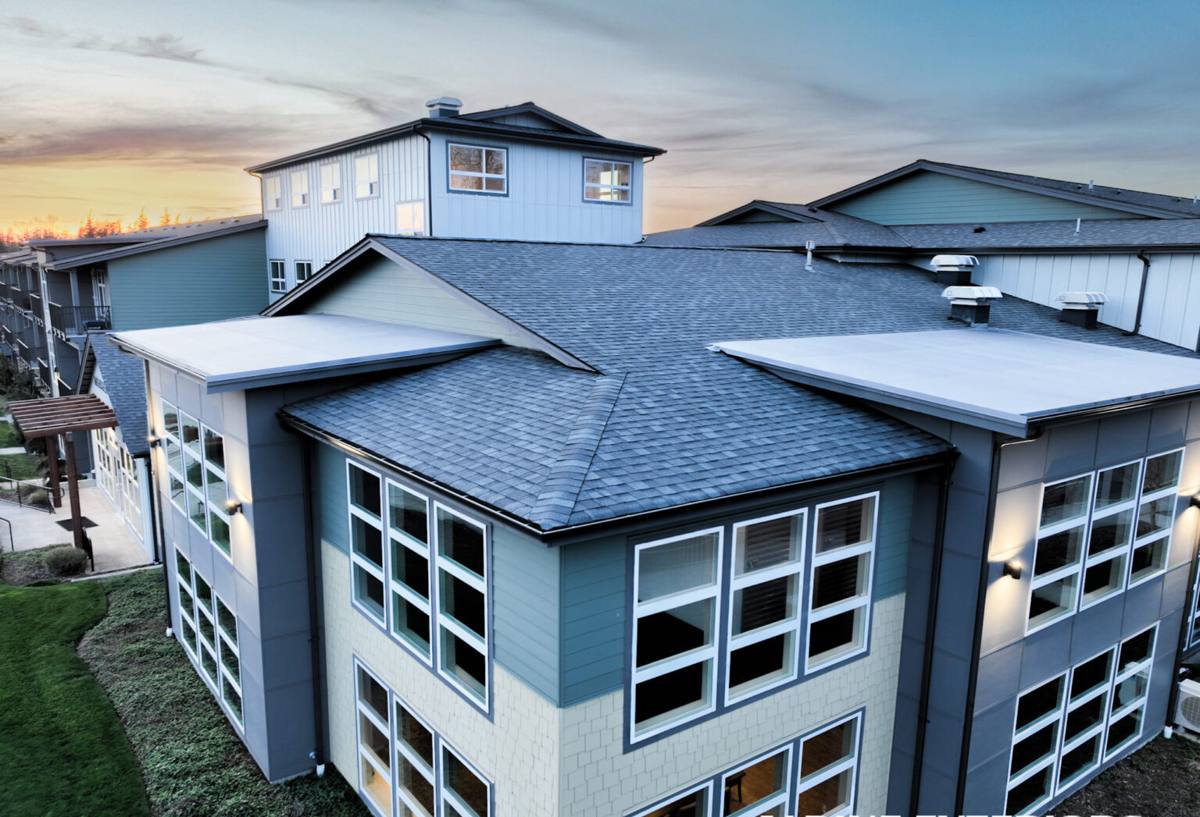
Why Renton Roofs Take This Kind of Beating
A few things stack up against roofs in this part of the Puget Sound region, and they're worth understanding before you decide what kind of repair you actually need.
Wind and Driving Rain
Storms coming off the Sound don't just drop rain straight down — they push it sideways. Driving rain finds any gap in flashing, any lifted shingle tab, any spot where sealant has aged out, and drives water up and under the roof covering instead of over it. Wind gusts that would be minor elsewhere can be enough to crack a shingle's seal or peel back a tab that's already brittle from age.
Moss Season
King County's long, wet stretch of the year is effectively a long moss season. Moss holds moisture against the roof surface, works its way under shingle edges, and lifts tabs just enough that the next windstorm finishes the job. A roof with moss buildup going into a storm is far more likely to lose shingles than a clean one — the moss has already done half the damage before the wind ever shows up.
Salt-Tinged Marine Air
The marine air common throughout the greater Seattle area carries salt and moisture that accelerates the breakdown of exposed metal — flashing, fasteners, vent caps — faster than it would in a dry inland climate. Corroded or thinning flashing is one of the most common hidden culprits behind a "small" storm leak that turns out not to be so small.
What Storm Damage Actually Looks Like
Homeowners often expect storm damage to be obvious — missing shingles scattered in the yard. Sometimes it is. More often it's subtler, and that's exactly why an inspection after any significant windstorm or heavy rain event is worth doing even if nothing looks wrong from the ground.
- Shingle tabs that are lifted, cracked, or creased but still technically in place
- Granule loss showing up as dark streaks in gutters or downspout runoff
- Flashing around chimneys, skylights, or roof-wall intersections that's been bent, pulled loose, or separated
- Soft or discolored spots on interior ceilings that appear a day or two after a storm, not during it
- Debris punctures from tree branches, even small ones, that break through the shingle surface
- Gutters pulled away from the fascia by wind load, which redirects water back up under the roof edge
A lot of that list doesn't announce itself. That's the real risk with storm damage — the roof can look fine from the driveway while water is already working its way into the decking underneath.
Why "A Few Missing Shingles" Isn't the Whole Story
Wind rarely damages just the shingle. When a tab tears off, it's usually because the seal underneath had already failed, which means the shingles around it are compromised too, even if they're still nailed down. And once water gets past the shingle layer, what happens next depends entirely on what's underneath.
Underlayment and Decking
Modern roofs rely on an underlayment layer as the real waterproofing barrier, with shingles as the primary defense on top. If wind has torn shingles and rain has had even a few days to reach the underlayment through the gap, that underlayment can fail too. Beneath that is the wood decking — plywood or OSB — which absorbs water, swells, and eventually rots if the leak isn't caught. This is why a proper storm repair always includes checking what's under the surface layer, not just replacing what's visibly missing.
Flashing Is Often the Real Point of Failure
Flashing does the quiet, unglamorous work of sealing every place your roof isn't a flat, uninterrupted plane — chimneys, valleys, vent pipes, skylights, wall intersections. Storm winds can shift flashing just enough to break its seal without visibly bending it. That's a common reason a roof leaks after a storm even when every shingle appears to be present and accounted for.
Our Storm Damage Repair Process
1. Full Roof Inspection, Not Just a Look at the Obvious Spot
We walk the whole roof, not just the area where you saw damage from the ground. Storm damage is frequently worse on the windward slope than wherever debris happened to land, so a spot-check misses things.
2. Document What We Find
We note the extent and location of damage, including anything that looks pre-existing (like moss-related wear) versus storm-caused, so you have a clear picture of what you're actually paying to fix and why.
3. Check Underneath Before Sealing Anything Up
Where shingles are missing or lifted, we check the underlayment and decking before we cover anything back over. Repairing the surface without checking underneath just hides a problem that will resurface, usually as a ceiling stain a few months later.
4. Repair with Matched, Compatible Materials
We repair with materials that match your existing roof as closely as possible in type, weight, and where feasible, color and manufacturer line — a mismatched patch doesn't just look wrong, it can behave differently in wind and rain than the surrounding shingles.
5. Recheck Flashing and Fasteners in the Repair Zone
Any flashing in or near the repair area gets checked and resealed or replaced as needed. Fixing shingles while ignoring adjacent flashing is one of the most common ways a repair fails to actually solve the leak.
Repair or Replace? How We Make the Call
Not every storm-damaged roof needs a full replacement, and not every roof can be reasonably patched. The honest answer depends on a handful of factors, and we'll walk you through them rather than defaulting to whichever answer is more profitable for us.
| What We're Looking At | What It Usually Means |
|---|---|
| Isolated damage, roof otherwise under 12-15 years old | Targeted repair is typically the right call |
| Damage spread across multiple slopes or sections | Repair is still possible, but cost may approach partial re-roofing |
| Roof already near or past its expected service life | Repair may be a short-term fix; replacement often makes more long-term sense |
| Rotted or soft decking found under the damaged area | Repair scope expands to include decking replacement, not just shingles |
| Widespread moss or granule loss beyond the storm-damaged spot | Signals the roof's overall condition, factored into the repair-vs-replace decision |
We'll always give you the repair option when it's a sound one. If a full replacement genuinely is the better long-term value, we'll explain exactly why — not just point at the roof's age.
What Affects the Cost of a Storm Repair
There's no honest flat price for storm damage repair, because the range depends heavily on what a storm actually did. Rough factors that move the number:
- Extent of damage — a handful of shingles versus a full slope changes labor and material scope significantly
- Roof pitch and accessibility — steep or multi-story roofs take longer and require more safety setup
- Decking condition — if water reached the wood, replacing rotted decking adds materials and labor beyond the surface repair
- Material match — some discontinued or specialty shingle profiles are harder to source and cost more to match cleanly
- Flashing scope — repairs involving chimney, valley, or skylight flashing take more time than open-field shingle work
We give a written estimate after the inspection, broken down by what we actually found — not a generic per-square number pulled before we've seen the roof.
Timing and Scheduling in a Wet Climate
Roof repair work needs a reasonably dry window to do properly — sealants and adhesives need time to cure, and you don't want a crew working a wet, slick roof surface. Given how much of the year King County spends under cloud cover and rain, this means storm repairs sometimes have to wait for a workable weather gap rather than happening the same day the wind dies down.
What we won't do is rush a repair into a wet roof just to close the job faster. A repair done on a damp deck or with sealant that hasn't had time to set is a repair that's likely to need redoing. If your damage includes an active interior leak, we'll prioritize a temporary weatherproofing measure to stop water intrusion while we wait for the right conditions to do the permanent repair correctly.
After a Storm: A Quick Homeowner Checklist
- Walk the yard and check for shingle pieces, granules, or debris on the ground — but don't get on the roof yourself
- Check gutters and downspouts for excess granule buildup, a sign of accelerated shingle wear
- Look at ceilings and upper-floor walls over the next several days for new stains, even faint ones
- Check attic spaces if accessible, for damp insulation or daylight showing through the decking
- Photograph any visible exterior damage for your own records before repairs begin
- Avoid tarping or attempting repairs yourself on a wet or steep roof — it's not worth the fall risk
Why a Crew That Already Works Renton Matters
Storm damage repair isn't a job you want handled by whoever happens to answer the phone fastest after a windstorm, when every roofing company in the region suddenly has a full schedule. A crew that already works in Renton and the surrounding area knows the housing stock, the common roofing materials used in the neighborhoods here, and the local permitting requirements that can apply to more extensive repair work. That familiarity shows up in faster, more accurate assessments and repairs that account for how this specific climate treats a roof over time, not a one-size-fits-all approach imported from a drier region.
It also means accountability. A contractor with an ongoing presence in the Seattle area has a reason to stand behind the work — this isn't a storm-chasing crew that repairs and moves on to the next region before the season changes.
Get a Free, No-Pressure Estimate
If a recent storm left you with missing shingles, a new leak, or just some uncertainty about what shape your roof is really in, we're happy to take a look. Use the form below to request a free estimate — no pressure, no obligation, just a straight assessment of what we find and what it would take to fix it right.