 Seattle Siding
 Metal Roofing Built for University District's Weather, Not a Showroom
University District sits close enough to Lake Washington and Puget Sound that homes here deal with the full menu of Seattle roofing stress: months of steady drizzle, occasional wind-driven downpours off the Sound, and a moss season that can run from October through May. A roof that looks fine in a catalog photo doesn't always hold up under that combination. Metal roofing, installed correctly for this specific climate, is one of the few systems that genuinely shrugs off all three at once — but "installed correctly" is doing a lot of work in that sentence, and it's where most of the value or regret in a metal roof actually comes from.
We install metal roofing on University District homes as part of our regular exterior work, alongside siding, trim, and gutter systems on the same houses. That matters more than it sounds like it should — a roof doesn't work in isolation from the walls and drainage system below it, and we'll get into why later on.
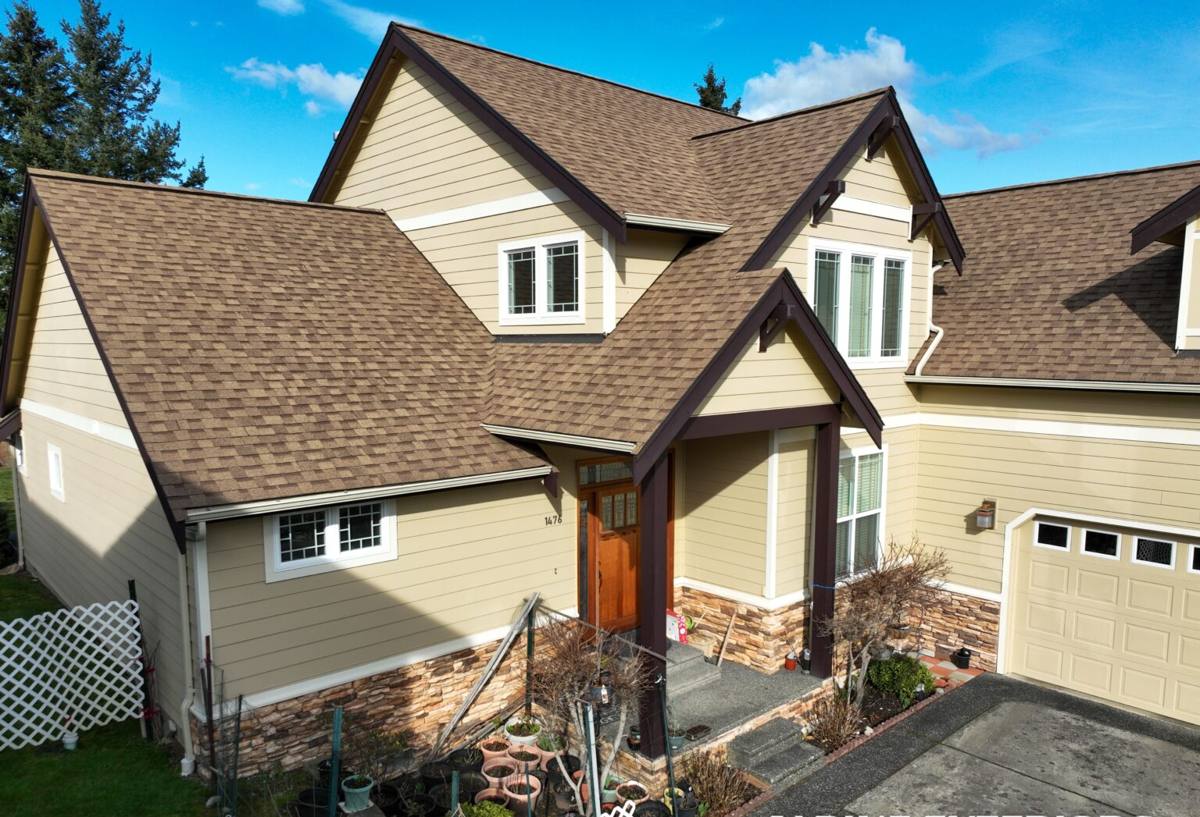
What Seattle and King County Weather Actually Does to a Roof
Before talking panels and fasteners, it's worth being specific about what a University District roof is up against over a typical year, because it changes which details matter most.
Driving rain and wind
Seattle doesn't get the volume of rain some cities do, but it gets duration — long stretches of low-intensity rain punctuated by wind events that push water sideways under laps, shingle tabs, and poorly sealed flashing. Roofs here fail less from a single storm and more from thousands of hours of water finding the one seam that wasn't detailed right.
Salt air and moisture off the Sound
University District isn't waterfront, but it's close enough to Puget Sound and Lake Washington that airborne moisture and mild salt exposure are part of the environment. Over years, that accelerates corrosion on the wrong metals and fasteners, and it's a big reason we're careful about material and hardware selection rather than treating "metal roofing" as one generic product.
The long moss season
Shade from mature trees, consistent moisture, and mild temperatures make King County one of the more moss-friendly climates in the country. On asphalt shingles, moss roots into the granules and lifts them, shortening roof life. On a properly installed metal roof, moss has almost nothing to grip — which is one of the clearest, most practical advantages metal has here.
Metal Roofing Systems: Which One Actually Fits a University District House
"Metal roofing" covers a range of products with real differences in cost, appearance, and long-term performance. We'll walk a homeowner through the honest trade-offs rather than pushing whatever's easiest to sell.
| System | How it's fastened | Best fit | Trade-offs |
|---|---|---|---|
| Standing seam | Hidden clips, no exposed fasteners on the field | Homes wanting the longest service life and cleanest look | Higher material and labor cost; needs a crew comfortable with seaming tools |
| Exposed-fastener panels | Screws through the panel face into decking or purlins | Budget-conscious projects, outbuildings, additions | Fastener gaskets wear over decades and need eventual attention; visible screw lines |
| Metal shingles/shakes | Interlocking panels mimicking shingle or shake profiles | Homes where the neighborhood look leans traditional | More seams than standing seam; installation quality matters even more |
For most University District homes, we lean toward standing seam when the budget allows it, specifically because of the moss and rain profile described above — fewer through-fasteners means fewer long-term leak points and less for moss and debris to catch on.
What a Correct Metal Roof Installation Actually Involves
The panel itself is maybe a third of what determines whether a metal roof performs for decades or causes trouble in year six. The rest is in details that aren't visible once the job is done.
Deck condition first
Any soft, delaminated, or water-damaged decking gets replaced before a single panel goes down. Fastening a metal roof to compromised decking is a problem that hides itself until it doesn't.
Underlayment and ice/water protection
We use a high-temperature synthetic underlayment rated for metal roofing, with self-adhered ice-and-water membrane at eaves, valleys, and any place water tends to pool or back up — the same low-slope, high-moisture logic that matters everywhere in King County.
Fastener and metal compatibility
Given the salt air and moisture exposure noted earlier, we match fasteners and flashing metals to the panel material to avoid galvanic corrosion — mixing incompatible metals is a slow-motion mistake that shows up as staining and pitting years down the line.
Flashing at every penetration and transition
Chimneys, vents, skylights, and roof-to-wall transitions (especially where a roof meets siding we've also installed) are where most roof leaks actually originate — not the open field of the roof. Custom-formed flashing, properly lapped and sealed, is non-negotiable.
Ventilation
A well-ventilated attic keeps condensation from forming on the underside of metal panels and helps the whole roof assembly dry out between rain events, which matters in a climate that rarely gives a roof a long dry stretch.
Our Process on a University District Metal Roof
- On-site assessment — we inspect the existing roof, decking, attic ventilation, and how the roof interacts with gutters and siding before quoting anything.
- System and panel selection — we walk through the options above against the homeowner's budget, house style, and how long they plan to own the home.
- Tear-off or overlay decision — most metal roofing goes over a clean, sound deck after tear-off; we'll say plainly if your existing roof isn't a candidate for overlay.
- Underlayment and flashing installation — the protective layer and all transition details go in before panels, since this is what actually stops leaks.
- Panel installation — panels are run, seamed or fastened per the chosen system, with trim and ridge details finished to shed water correctly.
- Gutter and drainage check — we confirm gutters and downspouts can handle the water volume a metal roof sheds (metal sheds water faster than shingles, which changes gutter demands).
- Cleanup and walk-through — job site is cleared of metal debris and fasteners, and we walk the finished roof with the homeowner.
Metal vs. Asphalt in This Specific Climate
This isn't a universal argument for metal over asphalt — asphalt is a reasonable, lower-cost choice for plenty of homes. But in University District's rain-and-moss climate, the comparison tends to favor metal for homeowners planning to stay long-term.
| Factor | Asphalt shingles | Metal roofing |
|---|---|---|
| Moss resistance | Moss roots into granules over time | Little for moss to grip; much easier to keep clean |
| Typical lifespan | 20–25 years in this climate | 40–60+ years with correct installation |
| Upfront cost | Lower | Higher |
| Wind/rain performance | Good when new, degrades with age | Strong throughout its life when properly flashed |
| Maintenance | Periodic moss treatment, granule loss over time | Occasional gutter/fastener checks; less recurring upkeep |
What Drives Cost on a Metal Roofing Project
We don't quote specifics without seeing the roof, but the honest range for a metal roof in this area runs well above asphalt on the front end, with the gap closing over the life of the roof due to lower maintenance and far fewer replacement cycles. The main variables are panel system, roof complexity, and existing deck condition.
- Standing seam costs more per square than exposed-fastener panels, mainly in labor time for seaming
- A roof with multiple valleys, dormers, or penetrations takes more flashing work than a simple gable
- Deck repair or replacement adds cost but is not optional if the existing decking is compromised
- Panel gauge and coating quality affect both price and long-term corrosion resistance
- Tear-off of existing roofing versus an overlay changes both labor and disposal costs
Maintaining a Metal Roof in a Wet, Mossy Climate
Metal roofing is low-maintenance, not no-maintenance. A short annual routine keeps it performing the way it's supposed to.
- Clear leaves and debris from valleys and gutters each fall, before the wet season sets in
- Check that gutters and downspouts are moving water away from the foundation — metal sheds rain fast, so undersized or clogged gutters show problems quickly
- Look at flashing around chimneys, vents, and skylights for any lifted or loose sections after major wind events
- Trim back tree limbs that overhang the roof to reduce debris buildup and moss spores
- Address any scratched or exposed metal promptly to prevent localized corrosion, especially given the area's salt air exposure
Why a Crew That Already Works University District Matters
Metal roofing rewards experience with local conditions in a way a lot of exterior work doesn't. A crew that's only worked drier climates can under-detail flashing and underlayment in ways that don't show up as leaks for a year or two — by which point it's a warranty argument instead of a quick fix. Working across University District and the rest of Seattle and King County, we see the same moss patterns, the same wind-driven rain angles, and the same roof-to-siding transition issues repeatedly, and we build the installation around what actually happens here rather than a generic install spec. We also handle siding and gutters on many of the same homes, so we're thinking about how the roof, walls, and drainage work together as one system instead of treating the roof as an isolated job.
Signs Your Current Roof Is Worth Replacing with Metal
Not every roof needs to become a metal roof, but a few signs make the case stronger for a University District home specifically.
- Heavy, recurring moss growth despite regular cleaning
- Shingle granule loss showing up in gutters after every rain
- Visible curling, cracking, or lifted shingle edges, especially on north-facing or shaded slopes
- Frequent minor leaks around flashing that keep recurring after patching
- Plans to stay in the home long-term, where a longer-lived roof pays off the higher upfront cost
If you're weighing a metal roof for a University District home, we're happy to take a look and give you a straightforward assessment — no pressure, no upsell script, just what your roof actually needs. Use the form below to request a free estimate.