 Seattle Siding
 Wallingford's Housing Stock and Why Siding Ages the Way It Does
Wallingford is one of Seattle's older, denser residential neighborhoods, with a housing mix that runs from early-1900s craftsman and foursquare homes to mid-century bungalows and newer infill construction squeezed onto narrow lots. A lot of that older housing stock has already been re-sided once, sometimes twice, and a fair number of homes still carry whatever siding was popular at the time of the last remodel rather than a product actually chosen for how this part of King County weathers a house. That matters, because siding replacement in Wallingford isn't just a cosmetic decision — it's a chance to finally match the exterior to the climate it's actually sitting in.
Narrow lots and mature tree cover, common throughout the neighborhood, also mean a lot of homes get less direct sun and airflow along at least one wall. That single detail changes how fast moisture, algae, and moss take hold, and it's part of why a siding job that looks fine on a spec sheet can still underperform on a specific house.
What Seattle's Climate Actually Does to Exterior Siding
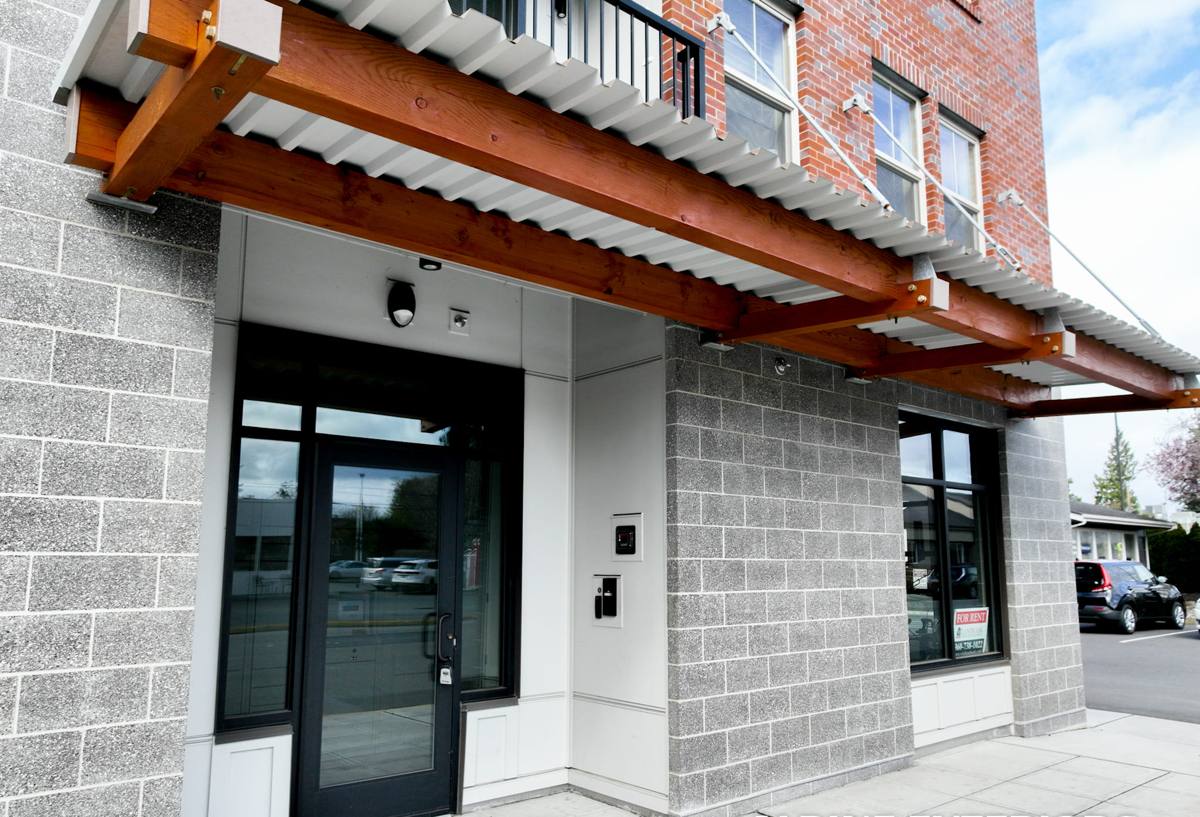
Seattle sits close enough to Puget Sound that homes throughout King County, including Wallingford, deal with a low but steady dose of salt-laden air on top of the region's defining trait: rain that isn't dramatic, but is relentless. Long stretches of driving rain, blown sideways by wind off the water, push moisture into joints, seams, and end grain that a straight-down rain never would. Add in a moss season that can stretch from fall through spring, and you've got three separate stresses working on a wall at the same time — salt exposure, wind-driven wet, and organic growth that holds moisture against the surface long after the rain stops.
Why This Combination Is Harder on Siding Than People Expect
Any one of those factors is manageable. Together, they're what actually shortens the life of a siding job. Salt air accelerates corrosion on fasteners and trim metal. Driving rain finds every gap in flashing and caulk that a calmer climate would never expose. And moss doesn't just look bad — it holds water against the siding surface, keeps that surface damp longer, and creates the conditions for rot underneath if the substrate isn't moisture-resistant to begin with.
Signs a Wallingford Home Needs Siding Replacement, Not Just Repair
Not every siding problem calls for a full tear-off. But there's a point where patching stops being cost-effective and starts being a way to delay an inevitable full replacement. Homeowners in this neighborhood should watch for:
- Soft or spongy spots when you press on the siding, especially near the bottom courses or under windows
- Persistent moss or algae growth that comes back within weeks of cleaning, even on the north or shaded side of the house
- Paint that's bubbling, peeling, or failing faster than it should on an exterior wall
- Visible gaps at butt joints, corners, or trim where caulk has shrunk or pulled away
- Interior signs — musty smells, staining, or peeling paint on interior walls that back up to an exterior wall
- Siding that's already been patched more than once in the same area
Any one of these on its own might be a repair. Several together, especially on a home that hasn't been re-sided in fifteen-plus years, usually means the underlying materials and water management have reached the end of their useful life.
Why We Install Only James Hardie Fiber Cement
We don't install vinyl, LP SmartSide, Cemplank, Allura, primed spruce, or cedar. That's not a marketing position — it's a decision we made after weighing what actually holds up against Seattle's rain-and-moss cycle year after year, and what we're willing to warranty our labor against.
Wood-based and wood-composite products have real advantages — cedar's appearance and repairability, engineered wood's lower material cost — but they share a common vulnerability: they're organic materials, and organic materials in a climate this wet need near-perfect maintenance discipline to avoid moisture problems over decades. Vinyl sheds water well enough but expands and contracts with temperature swings, can crack in cold snaps, and doesn't hold paint if a homeowner ever wants to change the color. None of that makes those products bad; it means they come with trade-offs we're not willing to install and stand behind in this specific climate.
James Hardie fiber cement is non-combustible, doesn't support rot the way wood-based products can, and holds its factory-applied ColorPlus finish far longer than field-applied paint on wood or composite siding. Hardie also engineers specific product lines (the HZ5 designation, for example) for climates like ours, meaning the product itself is built around Pacific Northwest moisture exposure rather than a generic national spec. That, combined with a strong transferable warranty, is why it's the only product we put on a home.
Comparing the Trade-Offs
| Factor | James Hardie Fiber Cement | Vinyl / Engineered Wood / Cedar |
|---|---|---|
| Moisture resistance | Non-combustible, engineered for wet climates, doesn't rot | Wood-based products can absorb and hold moisture; vinyl doesn't rot but traps moisture behind it if flashing fails |
| Finish durability | Factory ColorPlus finish, resists fading and chalking for years | Field-applied paint (wood) needs repainting; vinyl color is baked in and can't be changed |
| Temperature movement | Minimal expansion/contraction | Vinyl expands/contracts noticeably; can crack in a hard freeze |
| Fire resistance | Non-combustible | Wood-based products are combustible; vinyl can melt or deform |
| Long-term maintenance | Periodic cleaning, caulk checks | Repainting cycles (wood), or replacement of cracked/faded panels (vinyl) |
What a Correct Siding Replacement Actually Involves
The siding itself is only part of the job. Most siding failures we see on tear-offs in this area trace back to water management underneath the siding, not the siding material itself. A correct replacement means:
Full Tear-Off, Not Overlay
We remove the existing siding rather than installing over it. Overlaying hides problems instead of fixing them, and it's the single most common reason a "new" siding job fails early — moisture already trapped behind the old layer just keeps working on the wall.
Inspecting and Correcting the Sheathing
Once the old siding is off, we can actually see the wall — soft sheathing, hidden rot around windows, or old flashing that was never installed correctly. Any of that gets addressed before anything new goes up, because covering a compromised wall with premium siding just delays the same problem.
Weather-Resistant Barrier and Flashing
A properly lapped weather-resistant barrier, correctly integrated window and door flashing, and rain-screen detailing where appropriate are what actually keep driving rain from ever reaching the sheathing. This is the layer that does the real work in a climate like ours — the siding is the visible shell, but the barrier behind it is what determines whether the wall stays dry for the next thirty years.
Installing to Hardie's Fastening and Clearance Specs
Fiber cement performs the way it's rated to perform only when it's installed to spec — correct fastener type and spacing, proper clearance from grade, decks, and roof lines, and factory-recommended gaps at joints to allow for the material's minor seasonal movement. Installed loosely or with the wrong fasteners, even the best siding product will underperform.
How Our Process Works
- Walk-through and assessment — we look at the current siding, trim, and any visible trouble spots specific to the house's orientation and shading
- Written estimate — scope, product line, color, and a clear breakdown of what's included
- Tear-off and sheathing inspection — old material removed, substrate checked and repaired as needed
- Weather barrier and flashing installation — the layer that does the actual water management
- Hardie siding installation — installed to manufacturer fastening and clearance specifications
- Final walk-through — trim, caulking, and touch-up checked against the original estimate before we consider the job done
Why Hiring a Crew That Already Works Wallingford Matters
A lot of siding problems in this neighborhood aren't unique to any one house — they're patterns tied to lot orientation, tree cover, and how close a home sits to the Sound. A crew that's already worked on similar homes nearby recognizes those patterns faster: which walls typically hold moisture longest, where moss tends to establish first, and how older Wallingford framing typically responds once the old siding comes off. That local pattern recognition shortens the surprises during tear-off and helps set realistic expectations up front, instead of discovering scope changes mid-project.
It also matters for permitting and code familiarity specific to Seattle and King County jurisdictions, and for knowing which product colors and profiles actually read well against the kind of homes common in this part of the city.
Maintaining Your Siding After Installation
Hardie fiber cement is low-maintenance, not no-maintenance. In a climate that grows moss on nearly everything, a little seasonal attention goes a long way:
- Rinse siding gently once or twice a year, focusing on shaded, north-facing, or tree-covered walls where moss establishes fastest
- Keep gutters clear so overflow doesn't run down the siding face repeatedly
- Trim back vegetation and tree limbs that keep a wall section shaded and damp
- Check caulking at trim and joints every couple of years and touch up as needed
- Address any soft spots, staining, or paint failure early rather than waiting for it to spread
Get a Straight Answer on Your Wallingford Home
If your siding is original, aging, or you're just tired of fighting moss every winter, it's worth having someone look at the actual wall rather than guessing from the street. We're happy to walk your property, point out what we see, and give you a straightforward, no-pressure estimate for what a correct James Hardie siding replacement would involve — use the form below to get started.