 Seattle Siding
 Window Installation in Wallingford's Wet, Salt-Touched Climate
Wallingford sits in the middle of Seattle's housing stock story: a lot of older homes, a lot of original or long-since-replaced windows, and a climate that doesn't forgive shortcuts. Seattle's combination of salt air off Puget Sound, driving rain that comes in sideways during winter storms, and a moss season that can run most of the year all put steady pressure on window openings. A window that's installed correctly here can go decades without trouble. One that's installed with gaps in the flashing or sealant standing in for real weatherproofing will show it within a few wet seasons — soft trim, fogged glass, drafts you can feel standing next to the frame.
This page is about window installation specifically for Wallingford — what the local building stock and climate actually demand, what we do differently because of it, and what to expect if you're considering new windows for your home.
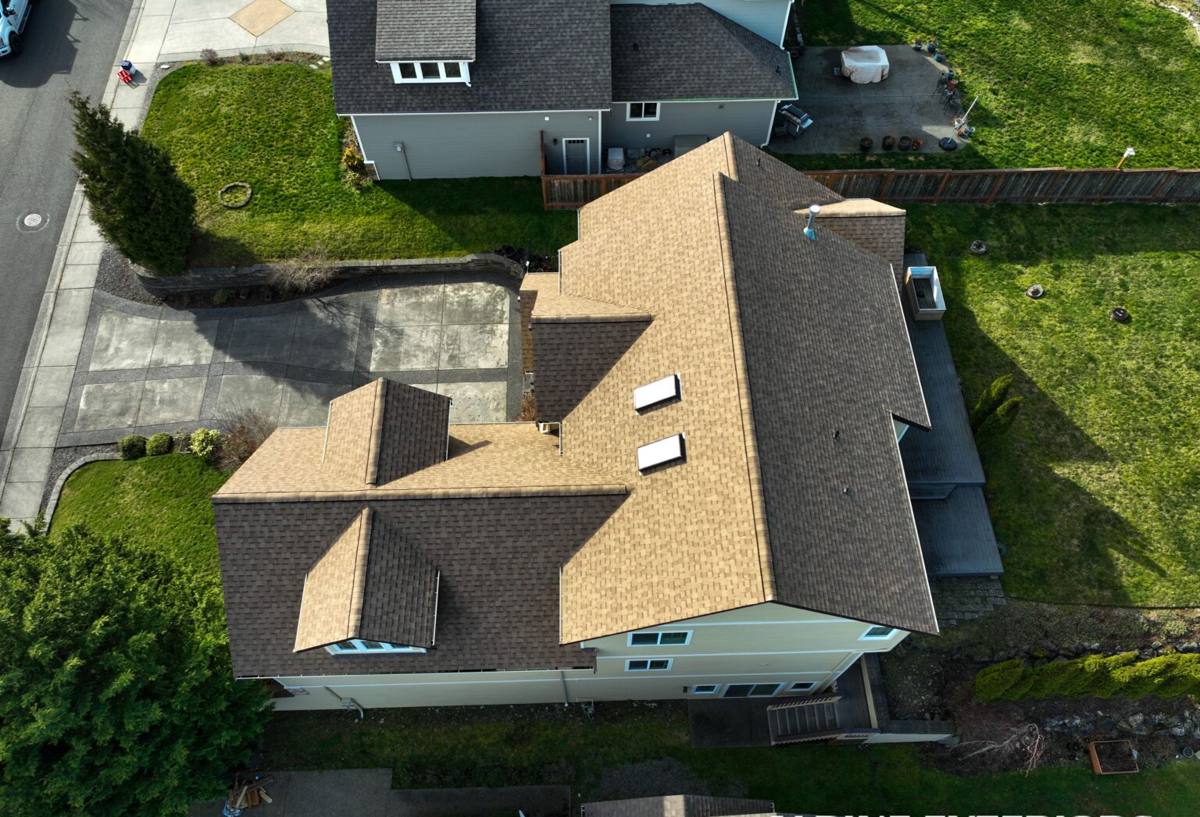
What King County's Climate Does to Windows Over Time
Seattle doesn't get the extreme cold or hail that punishes windows in other parts of the country. Instead, the damage here is slow and cumulative — moisture that never fully dries out.
The main pressures on a Wallingford window
- Driving rain: Wind-driven rain pushes water sideways into gaps that a vertical-only rain would never reach, which is why flashing detail matters more here than in drier climates.
- Long moss and mildew season: Constant dampness plus shade from mature trees means moss and algae get a foothold on sills, trim, and any wood surface that stays wet too long.
- Salt air: Even set back from the water, Seattle's air carries enough salt to accelerate corrosion on lower-grade hardware, fasteners, and metal flashing over the years.
- Humidity swings: Wet winters and drier summers mean wood and composite materials expand and contract, which stresses seals and caulk lines repeatedly each year.
Where we typically see failure in older Wallingford homes
The glass itself is rarely the problem. It's almost always the details around the window: sill flashing that was skipped or installed backwards, exterior caulk used as the primary water barrier instead of proper flashing, or wood trim that's been repainted over rot instead of replaced. On the craftsman and early-to-mid-century homes common in this part of Seattle, original wood windows plus decades of paint layers and settling can leave gaps that are easy to miss on a casual look but let water in every storm.
Signs Your Wallingford Home May Need New Windows
Not every drafty window needs full replacement, but these are the signs worth taking seriously before another wet season:
- Visible fog or moisture trapped between panes of double-glazed glass — a sign the seal has failed
- Soft, spongy, or visibly rotted wood at the sill or lower frame corners
- Windows that are difficult to open, close, or lock, especially after painting
- Noticeable draft or cold spot near the window frame even when it's fully closed
- Moss, black staining, or persistent mildew on the exterior trim or sill
- Condensation forming on the interior glass regularly during colder months
- Visible daylight or gaps around the frame from outside
- Rising heating bills with no other obvious cause
What a Correct Window Installation Actually Involves
Window installation looks simple from the outside — old window out, new window in — but the parts that determine whether it lasts are mostly hidden once the trim goes back on.
Flashing and weatherproofing
This is the single biggest factor in how a window performs in Seattle's rain. Proper installation means integrating flashing tape and sill pan flashing so that any water that does get past the exterior cladding is directed back out, not trapped in the wall cavity. Caulk has a role, but it's a secondary seal — not the primary water management strategy, no matter how much of it gets applied.
Insulation and air sealing
The gap between the window frame and the rough opening needs to be filled with an appropriate low-expansion foam or backer rod and sealant — not stuffed with fiberglass batting, which does little against air movement and nothing against bulk water. This is also where a lot of the draft complaints homeowners have with older installs come from.
Trim, finish, and hardware
Exterior trim needs to be back-primed or otherwise protected on all sides before installation, not just painted after the fact — end grain and back sides of trim boards are where rot usually starts. Hardware and fasteners exposed to Seattle's salt-touched air hold up longer when they're rated for coastal or high-moisture use rather than standard interior-grade parts.
Window Materials: What Holds Up in Seattle's Climate
Material choice matters more here than in drier regions, because whatever you install is going to spend a lot of its life wet or damp.
| Material | Moisture Performance | Maintenance | Typical Trade-Offs |
|---|---|---|---|
| Vinyl | Does not rot or corrode; performs consistently in wet climates | Low — occasional cleaning | Frame color and profile options more limited than wood or fiberglass |
| Fiberglass | Very stable in moisture and temperature swings; strong long-term performer | Low | Higher upfront cost than vinyl |
| Wood (properly finished) | Attractive but vulnerable if finish is neglected or flashing is imperfect | High — repainting/resealing on a regular cycle | Best suited to homeowners committed to upkeep, or wood-clad hybrids |
| Aluminum | Durable structurally but prone to condensation and, over time, corrosion in salt air without thermal breaks | Moderate | Best reserved for specific architectural needs, not general residential use |
We don't push one material on every job. A craftsman home in Wallingford with existing wood trim might call for a wood-clad or fiberglass window to keep the look consistent, while a straightforward replacement on a rental or a home headed toward low-maintenance ownership often does better with vinyl. The right call depends on the home, the budget, and how much upkeep the owner actually wants to do.
Our Window Installation Process
- On-site assessment: We look at the existing window openings, framing condition, and any signs of water intrusion before quoting anything.
- Measurement and material selection: Exact measurements are taken for each opening — older Wallingford homes are rarely perfectly square, so we don't assume standard sizes.
- Removal: Old windows come out carefully, with the opening checked for hidden rot or water damage before the new unit goes in.
- Sill pan and flashing installation: This step happens before the new window is set — it's the part that's invisible once finished but does most of the long-term work.
- Window installation and leveling: The unit is set, shimmed, and checked for square and level so it operates smoothly for years, not just on install day.
- Insulation, sealing, and trim: Gaps are properly insulated and sealed, then interior and exterior trim is finished to match the home.
- Final walkthrough: We check operation, look, and seal on every window before calling the job done.
Cost Factors for Wallingford Window Installation
Costs vary by home, and we'd rather give you an honest range in person than a number that doesn't hold up once we see the actual openings. Broadly, these are the factors that move the price:
| Factor | Why It Matters |
|---|---|
| Window count and size | Larger openings and full-house jobs have different per-unit economics than a single replacement |
| Material (vinyl, fiberglass, wood-clad) | Material cost is usually the largest line item in the total price |
| Condition of the existing opening | Hidden rot or framing damage found during removal adds repair work before the new window can go in |
| Retrofit vs. full-frame replacement | Full-frame replacement resets the flashing and insulation but takes more labor than a retrofit into existing frames |
| Trim and finish work | Matching existing wood trim on an older home takes more time than standard trim replacement |
| Access and site conditions | Second-story windows, tight lot lines, or limited access add labor time |
Why a Crew That Already Works in Wallingford Matters
Window installation isn't just a product install — it's a job that has to account for what's already on the house. A crew that regularly works in Wallingford and similar Seattle neighborhoods has a working sense of what to expect from the housing stock: original wood-frame construction, decades-old trim details, and framing that's settled unevenly over time. That familiarity shows up in faster, more accurate assessments and fewer surprises once demolition starts.
There's also a practical side to working locally in King County: understanding Seattle's permitting expectations for window replacement, knowing how to sequence work around the wet season so openings aren't left exposed longer than necessary, and having a realistic sense of how long materials actually take to source and install in this market — not a national average that doesn't reflect local suppliers or weather windows.
Maintaining New Windows in Seattle's Climate
- Clean sills and tracks a few times a year to keep moss and debris from holding moisture against the frame
- Check exterior caulk lines annually, especially after a hard winter, and touch up any cracking before it becomes a leak path
- Keep gutters and downspouts clear so water isn't sheeting down over window heads
- Wipe down hardware periodically if you're near enough to the water for salt air to be a factor
- Address condensation between panes right away — it won't resolve itself and usually means the seal has already failed
If you're weighing whether it's time for new windows, or you just want a straight answer about what's actually going on with the ones you have, we're glad to take a look. The estimate is free, there's no pressure to move forward, and you'll get a real explanation of what we find — not just a quote.