 Seattle Siding
 Windows on a Peninsula Take a Different Kind of Beating
West Seattle sits out on its own piece of land, wrapped on three sides by Puget Sound and the Duwamish waterway. That geography is part of why people love it, and it's also why windows here wear differently than windows a few miles inland in a sheltered neighborhood. Homes up on the ridges — Gatewood, Fairmount Park, the Admiral district, the bluffs above Alki — take wind-driven rain straight off the water with almost nothing to break it up. Add in Seattle's long gray season and the moss and algae that come with it, and window frames, sashes, and sills are under near-constant low-grade attack for eight or nine months of the year.
None of that means West Seattle homes need exotic products. It means the installation has to be right, the materials have to handle sustained moisture without complaint, and whoever does the work needs to actually understand how water moves around a window opening in a marine climate. That's the whole focus of this page: what correct window installation looks like for this specific part of Seattle, and why it matters more here than it would in a drier region.
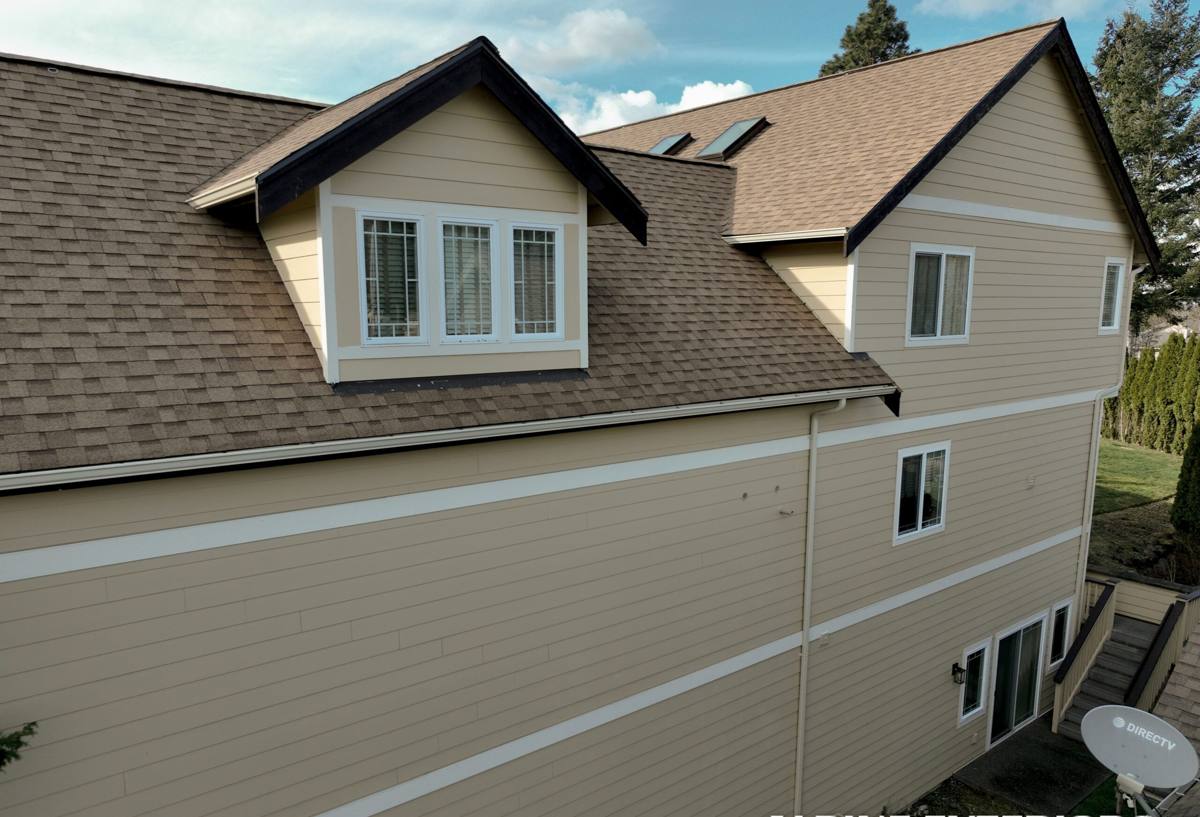
What West Seattle's Climate Actually Does to Windows
Salt Air and Slow Corrosion
Proximity to the Sound means a fine layer of salt-laden moisture settles on exterior surfaces, including window hardware and metal components. It's not dramatic — you won't see rust overnight — but over years it accelerates the breakdown of cheap fasteners, weak cladding finishes, and unprotected metal flashing. Good installation practice compensates for this with corrosion-resistant hardware and flashing details that don't rely on caulk alone to keep salt-bearing water out of the wall cavity.
Driving Rain, Not Just Rain
Seattle doesn't get the heaviest rainfall in the country, but a lot of it arrives sideways, pushed by wind off the water. Wind-driven rain finds gaps that vertical rain never would — it gets up under trim, behind poorly lapped house wrap, and into any nail hole that wasn't sealed. Window installation in this climate is less about the window unit itself and more about the flashing, sealant, and water-management details around it.
Moss, Algae, and a Long Damp Season
West Seattle's tree canopy and marine humidity give moss and algae a long growing season on north- and west-facing exteriors. On windows, that shows up as green staining on sills, trim, and lower sashes, and as trapped moisture in any spot where organic growth holds water against wood or composite material. Sills with the wrong slope, or trim without enough clearance to dry out, become long-term moss magnets and eventually rot sites.
What Correct Installation Has to Account For
- Flashing that sheds water down and out, layered correctly with the house wrap — not just caulked at the edges
- A sill pan or sloped sill detail so water exits the opening instead of pooling against the frame
- Corrosion-resistant fasteners and hardware suited to a marine-air environment
- Backer rod and sealant sized and placed correctly, not just a bead of caulk smeared over a gap
- Enough clearance around trim for airflow, so moss and algae don't have a permanently damp surface to colonize
- Insulation and air-sealing around the rough opening, not just at the window itself
Signs Your West Seattle Home's Windows Need Attention
Older housing stock is common throughout West Seattle — plenty of craftsman bungalows, mid-century ramblers, and postwar homes with original or first-generation replacement windows. Some warning signs are obvious, others show up slowly:
- Fogging or a visible haze between panes of a double-glazed unit — a sign the seal has failed
- Soft or spongy wood at the sill or lower corners of the frame
- Green or black staining that keeps coming back no matter how often it's cleaned
- Drafts or a noticeable temperature drop near the window in winter
- Windows that are hard to open, close, or lock — frames can shift as wood swells and dries with the seasons
- Peeling paint or bubbling finish on the interior sill, often a sign of moisture getting in from outside
Any one of these on its own might just mean a repair or a re-caulk. Several together, especially on a home's water-facing side, usually means it's time to talk about replacement.
Replacement Window Options That Make Sense Here
There's no single "right" window material for every home — the right choice depends on the house's age, style, exposure, and your budget. Here's how the common options actually perform in a wet, salt-tinged marine climate like West Seattle's.
| Material | Moisture Performance | Maintenance | Best Fit |
|---|---|---|---|
| Vinyl | Very good — won't rot or corrode | Low; occasional cleaning | Budget-conscious replacements, rental properties |
| Fiberglass | Excellent — dimensionally stable, resists moisture-driven warping | Low | Homes wanting long-term durability without high upkeep |
| Wood (properly finished) | Good if finish is maintained; vulnerable if neglected | Higher — repaint/reseal on a schedule | Historic or craftsman homes where original character matters |
| Clad wood (wood interior, metal or vinyl exterior) | Very good — exterior shell handles weather, interior keeps traditional look | Moderate | Homes wanting wood aesthetics with less exterior upkeep |
| Aluminum | Fair — prone to corrosion near salt air unless well-coated | Moderate to high near the water | Generally not our first recommendation this close to the Sound |
Aluminum frames aren't a bad product everywhere — they're common and perform fine in drier inland climates. Given West Seattle's salt exposure and driving rain, we typically steer homeowners toward vinyl, fiberglass, or clad-wood options because the long-term maintenance burden is lower and the moisture behavior is more forgiving of a busy homeowner's schedule.
Our Installation Process
1. On-Site Assessment
We start by looking at the actual opening — not just the window. That means checking the sill, framing, and any existing water damage or rot before we ever talk about product. On a peninsula home, we're also looking at which direction the wall faces and how exposed it is to wind-driven rain off the Sound, since that affects flashing detail and product recommendation.
2. Removal Without Collateral Damage
Old windows come out carefully so we can see the condition of the framing and sheathing underneath. This is often where hidden moisture damage from a previous bad installation shows up — and it's much cheaper to catch and fix now than after a new window is sealed in over it.
3. Repair the Opening First
Any soft wood, failed flashing, or gaps in the house wrap get addressed before the new window goes in. Installing a new window over a compromised opening just buys a few years before the same problem reappears.
4. Install with Proper Water Management
Sill pan or sloped flashing, correctly lapped house wrap, and sealant placed where it actually does something — not as a substitute for good flashing, but as a backup layer. This is the step that separates an installation that holds up through West Seattle winters from one that starts leaking in three years.
5. Finish and Weatherproof
Trim, caulking, and finish work completed with enough clearance and slope to shed water and resist the moss and algae growth that this climate encourages.
6. Walkthrough
We check operation, seals, and finish with you before we consider the job done, and explain anything worth keeping an eye on going forward.
Cost Factors for West Seattle Window Projects
Every home is different, so we won't quote a number without seeing the job, but these are the variables that actually move the price:
| Factor | Why It Matters |
|---|---|
| Number and size of windows | Larger openings and full-house projects have different economies of scale than a single replacement |
| Material choice | Vinyl, fiberglass, wood, and clad-wood carry different material costs |
| Condition of the existing opening | Hidden rot or framing damage adds repair work before installation can proceed |
| Wall exposure | Water-facing walls may call for more robust flashing detail |
| Access and height | Upper-story or hard-to-reach windows take more time and equipment |
| Trim and finish work | Matching historic trim profiles or repainting adjacent siding adds scope |
Why a Crew That Already Works West Seattle Matters
Window installation isn't exotic work, but the details that make it last — flashing sequencing, sill slope, hardware choice, how much clearance to leave for drying — are exactly the details that get skipped by crews doing volume replacement work with no particular attention to the local climate. A contractor who works across King County and spends real time on the peninsula gets to see, house after house, which details hold up through a West Seattle winter and which ones fail early. That's not a marketing point — it's the difference between a window that's still tight in fifteen years and one that's letting in moisture by year five.
We also know the practical side of working here: navigating the hill streets, older home framing quirks common to craftsman and mid-century houses in the area, and the exposure differences between a sheltered inland lot and a bluff-top home facing the water directly.
Maintaining New Windows in a Marine Climate
- Rinse sills and tracks periodically to clear salt residue and organic buildup before it stains or holds moisture
- Keep an eye on exterior caulk lines each fall and touch up any that have cracked or pulled away
- Trim back vegetation that shades a window and keeps it damp longer than the rest of the wall
- Operate locks and hardware a few times a year so they don't seize from disuse in the damp months
- Address any new moss growth on sills or trim promptly rather than letting it establish
If your West Seattle home has windows that are fogging, drafting, sticking, or just showing their age, we're happy to take a look and give you an honest read on repair versus replacement. Reach out for a free, no-pressure estimate — the form below gets you started.