 Seattle Siding
 Metal Roofing in Beacon Hill: Built for This Hill, Not a Generic Job
Beacon Hill sits high enough to catch wind off Elliott Bay and the Duwamish valley, and low enough on the west side to stay shaded and damp for long stretches of the year. That combination is hard on a roof. Homes here deal with driving rain that comes in sideways during winter storms, salt-tinged air drifting up from Puget Sound, and a moss season that can run eight months or longer under tree cover. A metal roof installed correctly can handle all of that for decades. A metal roof installed by a crew that doesn't know this hill's microclimates will show problems within a few years — usually at the fasteners, the flashing, or the underlayment nobody thought to upgrade.
This page covers what a proper metal roofing job looks like specifically for Beacon Hill homes: the climate stresses we're designing against, the materials and details that hold up, and how our process works from first look to final walkthrough.
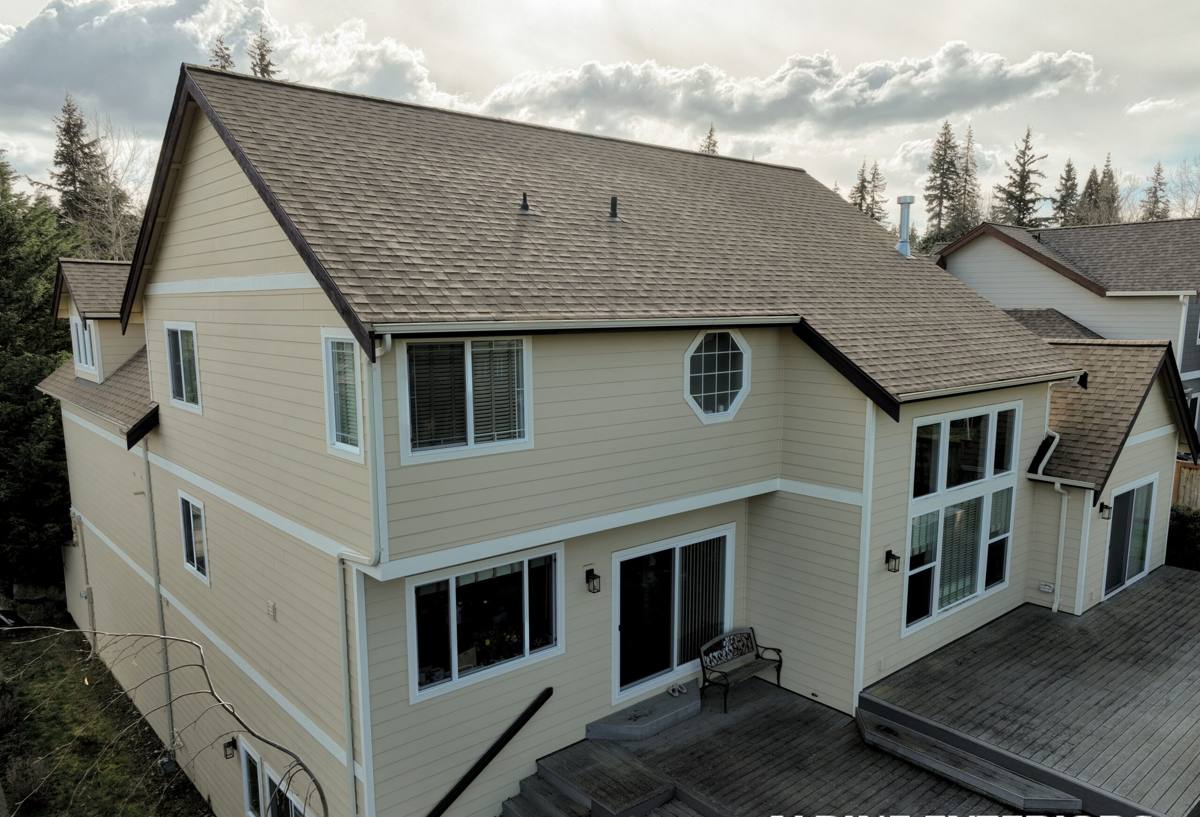
What Beacon Hill's Climate Actually Does to a Roof
Salt Air and Corrosion
Beacon Hill isn't waterfront, but it's close enough to Puget Sound that airborne salt reaches roofs on the west- and south-facing slopes, especially during winter storms with sustained onshore wind. Salt exposure accelerates corrosion at cut edges, fastener heads, and anywhere a coating gets scratched during installation or by a ladder, branch, or careless foot traffic later. This is why coating quality and edge treatment matter more here than they would forty miles inland.
Driving Rain
Seattle's rain isn't usually heavy by volume, but King County storms frequently bring wind-driven rain that hits roofs at an angle instead of falling straight down. That pushes water sideways under panels, up under flashing laps, and into any seam that wasn't detailed for wind-driven conditions. A roof that would be fine in a calmer climate can leak here if the laps, seams, and flashing weren't built with that sideways pressure in mind.
Moss and Shade
Much of Beacon Hill has mature tree cover, and shaded roof sections stay damp far longer after a storm than roofs in full sun. That's the setup moss needs to take hold. On composition shingles, moss lifts and traps moisture against the roof deck. On metal, moss is far less of a structural threat, but it can still hold debris and moisture against seams and fasteners if the roof design doesn't shed water and debris cleanly.
Why Metal Makes Sense for This Neighborhood
We're not going to tell you metal roofing is right for every house — it isn't, and a straightforward re-roof with asphalt shingles is still the better call for plenty of Beacon Hill homes, especially budget-driven decisions on shorter ownership timelines. But for homeowners planning to stay long-term, or dealing with a steep or shaded roof that fights moss every year, metal has real advantages here:
- Sheds moss and debris far more effectively than shingles because there's no rough surface for spores and organic matter to grip
- Handles wind-driven rain better when seams and laps are detailed correctly, since there's no shingle edge for water to work under
- Typically outlasts two or more shingle roof cycles, which matters if you don't want to be back on a ladder in 15-20 years
- Performs well under the intermittent heavy rain events King County gets in fall and winter, moving large volumes of water off the roof quickly
- Lower long-term maintenance than shingles in shaded, moss-prone sections of the hill
The tradeoff is upfront cost and installation sensitivity — metal roofing done wrong causes more expensive problems than shingles done wrong, because the failure points (seams, fastener penetrations, dissimilar-metal contact) are less forgiving. That's a real reason to be selective about who installs it, not a reason to avoid the material.
Panel Types We Install and How to Choose
Standing Seam
Standing seam panels use raised, interlocking seams with no exposed fasteners on the field of the panel. This is our default recommendation for Beacon Hill's driving-rain conditions, because the concealed fastener design eliminates the most common point where wind-driven water finds a way in. It costs more than exposed-fastener panel systems, but for a long-term investment on a hill that gets pushed by wind off the Sound, it's usually worth it.
Exposed-Fastener Panel (Screw-Down)
These panels are fastened directly through the face with gasketed screws. They cost less and install faster, but every fastener is a potential leak point over time as gaskets age and screws work loose from thermal cycling. We'll install this system when budget requires it or on secondary structures like garages and sheds, but we're upfront that it needs more inspection over its life than standing seam.
Metal Shingle and Shake Profiles
These mimic the look of traditional shingle or shake roofing while giving you metal's durability. They're a good option for homeowners who want metal's performance but need the roof to blend with a more traditional streetscape, which describes a fair number of Beacon Hill's older housing stock.
| Factor | Standing Seam | Exposed-Fastener | Metal Shingle/Shake |
|---|---|---|---|
| Upfront cost | Highest | Lowest | Mid to high |
| Wind-driven rain resistance | Best | Good, needs maintenance | Good |
| Maintenance over time | Low | Moderate (gasket/fastener checks) | Low to moderate |
| Appearance on traditional homes | Modern, clean lines | Modern or utilitarian | Traditional, blends easily |
| Best fit | Long-term ownership, exposed slopes | Outbuildings, budget projects | Streetscapes wanting a traditional look |
Materials and Coatings That Matter Near Salt Air
Not every metal roofing material handles Beacon Hill's environment the same way, and this is where a lot of corners get cut on lower-bid jobs.
Steel with a Quality Coating
Painted steel with a factory-applied PVDF (fluoropolymer) or high-grade SMP coating is our standard recommendation. The coating is what actually resists corrosion and fading, not just the base metal, so we don't cut cost by dropping to a bargain coating system on a roof that will see salt-tinged wind.
Aluminum
Aluminum doesn't rust and handles coastal-influenced air better than uncoated or lower-grade steel, which makes it a strong choice for west-facing roof sections that catch the most wind off the Sound. It costs more than standard steel and dents more easily, which we'll walk through against your specific roof and budget.
Fasteners and Flashing Metal
Mixing incompatible metals — for example, the wrong fastener alloy against a steel or aluminum panel — sets up galvanic corrosion that eats through metal from the inside of the contact point, often before it's visible from the ground. We match fasteners and flashing metal to the panel material on every job. This detail gets skipped more often than homeowners realize, and it's one of the more expensive mistakes to fix after the fact.
What a Correct Installation Actually Involves
Metal roofing failures on Beacon Hill are rarely about the panels themselves — they're almost always about what's underneath and around them. A correct job includes:
- Deck inspection and repair before anything goes down, since metal telegraphs an uneven or soft deck
- High-quality synthetic or self-adhered underlayment rated for the exposure, giving the roof a second line of defense if wind ever drives water past a seam
- Proper panel layout and seam direction relative to prevailing wind and water flow on that specific roof plane
- Correctly lapped and sealed flashing at every valley, chimney, skylight, and wall intersection — the majority of real-world leaks trace back to flashing, not panels
- Matched, corrosion-compatible fasteners and trim throughout, not mixed metals
- Proper expansion allowance so panels can move with temperature swings without stressing seams or fasteners
- Ventilation checked and corrected at the ridge and soffits, since trapped moisture under a metal roof causes deck problems even when the roof surface is doing its job
Our Process for a Beacon Hill Metal Roofing Job
1. On-Site Assessment
We walk the roof, check the deck and existing flashing details, note tree cover and shading patterns that affect moss risk, and look at how each roof plane is exposed to prevailing wind and rain.
2. Honest Scope and Estimate
You get a written estimate that spells out panel type, coating, underlayment, and flashing plan — not just a square-footage price. If exposed-fastener panels are the right call for your budget, we'll say so; if standing seam is worth the extra cost given your roof's exposure, we'll explain why.
3. Tear-Off and Deck Prep
We remove the old roofing, inspect the deck for rot or soft spots (common on shaded, moss-affected sections), and repair before anything new goes down.
4. Underlayment and Flashing
This is the step that determines whether the roof survives its first real King County windstorm. We install underlayment and flashing to handle wind-driven rain, not just straight-down rain.
5. Panel Installation
Panels go down with correct seam alignment, fastening, and expansion allowance for the specific product and roof geometry.
6. Final Walkthrough
We walk the finished roof with you, cover maintenance basics, and make sure you know what normal wear looks like versus something to call us about.
Maintenance: What a Metal Roof Actually Needs Here
Metal roofing is lower-maintenance than shingles, but "low" isn't "none," especially with Beacon Hill's tree cover and moss season.
- Clear debris from valleys and gutters at least once a year, more often under heavy tree cover
- Keep an eye on any exposed fasteners for gasket wear over the years, particularly on screw-down panel systems
- Trim back branches that overhang the roof to reduce debris buildup and shade-driven moisture retention
- After major windstorms, a quick visual check of flashing and seams is worth the ten minutes it takes
Why Hiring a Crew That Already Works Beacon Hill Matters
A roofer who mostly works dry, sunny climates will spec a roof for dry, sunny climates. Beacon Hill's mix of shaded, moss-prone sections and wind-exposed slopes catching salt air off the Sound isn't the same problem everywhere on the same house, let alone across King County. We work this hill and the surrounding Seattle neighborhoods regularly, which means we already know which roof planes need the extra flashing attention, which sections fight moss hardest, and which coating and fastener choices actually hold up here instead of just on paper.
If you're weighing a metal roof for a Beacon Hill home, we're happy to walk your roof, talk through what your specific exposure calls for, and give you a straightforward estimate — no pressure, no upsell on panel types you don't need. The form below gets you started.