 Seattle Siding
 Building Decks That Actually Hold Up in Fremont
Fremont sits close to the water, under a tree canopy that keeps a lot of the neighborhood shaded well into the afternoon. That combination is great for character and curb appeal, but it's tough on an outdoor structure. A deck here deals with driving rain off the Sound, damp marine air that never fully dries out between storms, and long stretches of shade that let moss and algae take hold on any surface that stays wet too long. A deck built the way it might be built in a drier climate — minimal flashing, standard fasteners, decking laid without enough of a drainage gap — will show problems within a few seasons: soft spots, black staining, slick moss growth, and fasteners bleeding rust through the boards.
We build decks for King County's climate specifically, not a generic spec. That means every layer of the structure — from the ledger connection to the board spacing — is chosen to shed water fast and resist the moss and mildew that Seattle's wet season practically guarantees if a deck isn't built right.
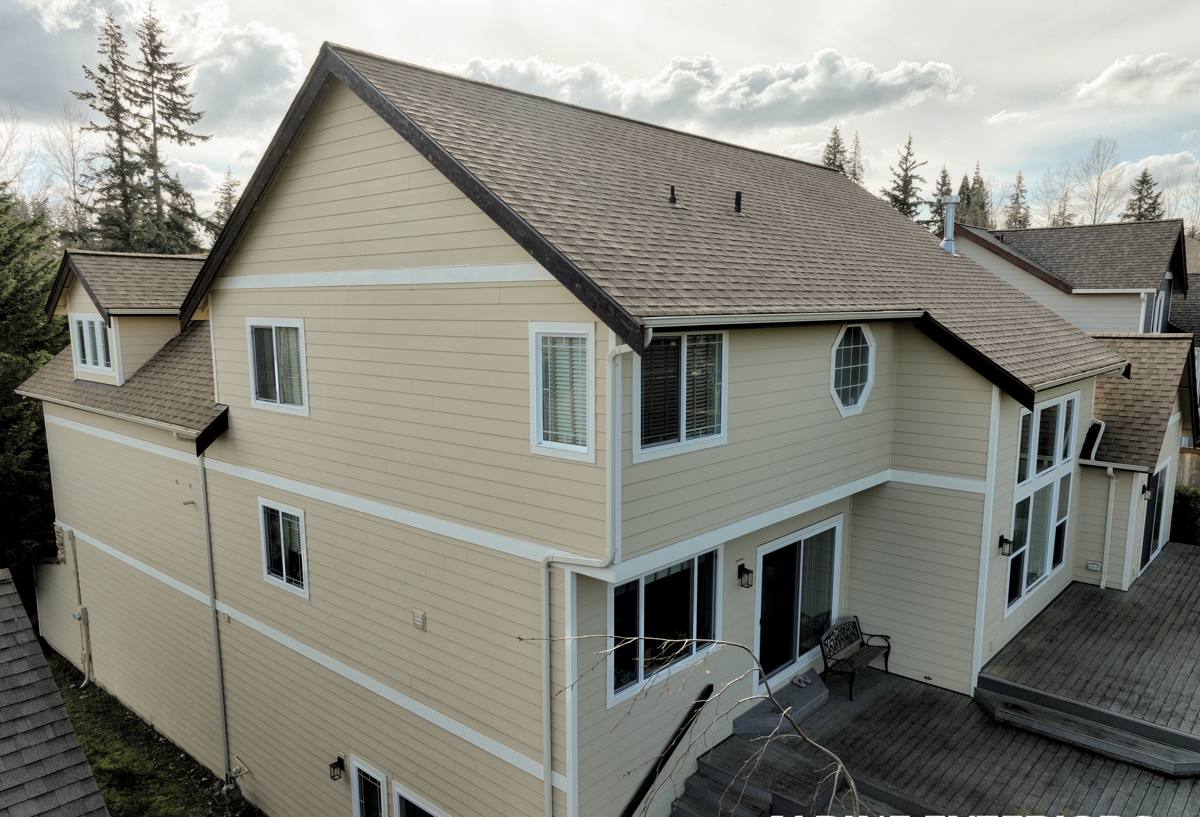
What Fremont's Climate Actually Does to a Deck
Driving Rain and Standing Moisture
Seattle's rain isn't usually a downpour — it's a long, low-intensity soak that finds every gap, seam, and fastener hole over time. Wind off the water can push that rain sideways into ledger connections and railing posts, which is where a lot of hidden rot starts. A deck that looks fine on the surface can have a compromised ledger board or post base underneath if the flashing wasn't done correctly at installation.
The Long Moss Season
Shade plus moisture equals moss, and Fremont has plenty of both for much of the year. Moss on decking isn't just cosmetic — it holds moisture against the wood surface, accelerates rot, and turns boards slick and genuinely dangerous underfoot, especially on stairs. Board spacing, surface texture, and drainage below the deck all affect how fast moss takes hold and how easy it is to keep off.
Salt-Tinged Marine Air
Being close to the water means metal hardware is exposed to a mix of moisture and airborne salt that speeds up corrosion. Standard fasteners and connectors that would be fine further inland can start rusting and staining within a couple of years here. This is one of the most common corners cut on lower-cost deck builds, and it's one of the most expensive to fix later since it usually means tearing into the structure.
What a Correctly Built Deck Involves
Footings and Framing
Everything starts below the surface. Footings need to be sized and set to local frost and soil conditions, and framing lumber should be rated for ground contact or exposure as appropriate for its position in the structure. We don't shortcut framing spans or joist spacing to save material — undersized framing is one of the main reasons decks develop bounce and soft spots years before they should.
Ledger Attachment and Flashing
Where a deck attaches to the house is the single most common failure point we see on older decks in wet climates. Proper ledger flashing — installed in the right sequence with the house's existing water barrier, not just caulked over it — is what keeps water from working its way behind the siding and into the wall framing. This step takes more time and isn't visible once the deck is finished, which is exactly why it's the step most often rushed on a low-bid job.
Decking Material and Board Spacing
Board spacing needs to account for wood movement and drainage, not just look tight and clean on install day. Too tight, and boards trap moisture and debris between them; too wide, and the deck feels unfinished and drains poorly at the edges. We set spacing based on the material and the site's exposure to sun and shade.
Fasteners and Hardware
We use corrosion-resistant, code-rated fasteners and structural connectors throughout — not just at the visible surface. In a marine-influenced climate like this one, that's not an upgrade, it's the baseline for a deck that's supposed to last decades instead of one.
Choosing a Decking Material for This Climate
There's no single "best" decking material — it depends on your budget, how much upkeep you're willing to do, and how much shade and moisture the deck's location gets. Here's how the common options actually perform in a wet, mossy, shaded environment like Fremont's.
| Material | Moisture & Moss Resistance | Maintenance | Typical Lifespan |
|---|---|---|---|
| Pressure-treated wood | Good if sealed and maintained; prone to moss in heavy shade | Annual cleaning and periodic sealing | 15–25 years |
| Cedar | Naturally moisture-resistant but needs upkeep to keep that resistance | Regular cleaning, sealing every 1–3 years | 15–25 years with upkeep |
| Composite decking | Very good; doesn't absorb water like wood, but surface can still grow algae/moss film in deep shade | Periodic washing, no sealing required | 25–30+ years |
| PVC/capped composite | Excellent moisture resistance, least prone to moss staining | Occasional washing | 25–30+ years |
In heavily shaded Fremont yards, we often steer homeowners toward composite or capped composite for surfaces that stay damp most of the year, and reserve real wood for decks with more open sun exposure where it can actually dry out between rains. Either way, the material choice matters less than correct installation underneath it — a premium composite board over poorly flashed, poorly drained framing will still fail early.
Our Process, Start to Finish
1. On-Site Assessment
We walk the property, look at sun and shade patterns, drainage, and how the deck will tie into the house, and talk through how you actually want to use the space.
2. Design and Material Selection
We put together a design and go over material options honestly, including trade-offs in cost, maintenance, and how each performs in a wet, shaded climate.
3. Permitting
We handle the permit process for anything that requires one, so you're not left figuring out city or county requirements on your own.
4. Construction
Footings, framing, flashing, decking, and railings are built in that order, with each stage inspected before the next begins.
5. Final Walkthrough
We walk the finished deck with you, cover basic care for the material you chose, and make sure everything meets what was agreed on before we call it done.
Permits and Code in Seattle
Most attached decks in Seattle, and many decks above a certain height off grade, require a building permit — the exact threshold and requirements depend on the deck's size, height, and how it attaches to the house. Guardrail height, stair geometry, and structural connections are all governed by code, and inspectors will check ledger attachment and footings specifically because those are the components most likely to fail if built wrong. Skipping the permit process might save time up front, but it can create real problems later — with insurance, with home sales, and with safety. We pull the permits your project needs as part of the job.
Maintaining a Deck Through a Seattle Wet Season
No decking material is completely maintenance-free in this climate, but the right routine keeps a deck safe and looking good for its full lifespan. A simple seasonal checklist:
- Sweep leaves and debris off the deck regularly, especially in fall — trapped debris holds moisture and feeds moss growth
- Clean the surface at least once a year with a deck-safe cleaner to remove algae and moss film before it gets slick
- Check and clear drainage gaps between boards so water isn't pooling
- Inspect fasteners and hardware yearly for rust staining or loosening
- Reseal wood decking on the manufacturer's recommended schedule — don't wait until it looks dry and gray
- Look under the deck occasionally for signs of moisture damage at the ledger board or post bases
Composite and PVC decking cut down on most of this, but even those benefit from an annual wash to keep moss from getting a foothold in shaded corners.
Why a Crew That Already Works Fremont Matters
A deck built to a generic national spec is built for average conditions that don't exist in a shaded, water-adjacent King County neighborhood. We build here regularly, which means we're not guessing at how much rain exposure a given orientation gets, how fast moss sets in on a north-facing deck under mature trees, or what actually holds up against marine air over the long run. That local experience shows up in decisions you won't necessarily notice at handoff — flashing details, fastener selection, board spacing — but that determine whether the deck is still solid in fifteen years or starting to fail in five.
Common Problems We Get Called to Fix
A lot of our deck work in this area isn't new builds — it's repairing decks that were built without this climate in mind. The recurring issues are consistent: rotted ledger boards from missing or improper flashing, rusted fasteners staining the decking, moss-covered surfaces that have become a slip hazard, and undersized framing that's developed bounce or soft spots. Most of these are avoidable with correct installation the first time, which is why we don't cut corners on the parts of the job that aren't visible once the project is finished.
If you're planning a new deck or need an honest opinion on one that's showing its age, we're happy to take a look and walk you through your options. Use the form below to request a free, no-pressure estimate for your Fremont property.