 Seattle Siding
 Custom Windows for Ravenna Homes
Ravenna sits inland from Puget Sound, but the same marine climate that shapes the rest of Seattle and King County reaches this neighborhood too — damp air off the water, driving winter rain, and long stretches of gray, moisture-heavy weather that keep everything outside a little wet for months at a time. Windows take the brunt of that. A window that's a perfect fit for a dry inland climate can fail here in a few years if it wasn't chosen, flashed, and sealed for what our weather actually does. This page covers what custom window replacement looks like specifically for Ravenna's older and mid-century housing stock, and why a crew that already works this neighborhood does a better job than one learning the area as they go.
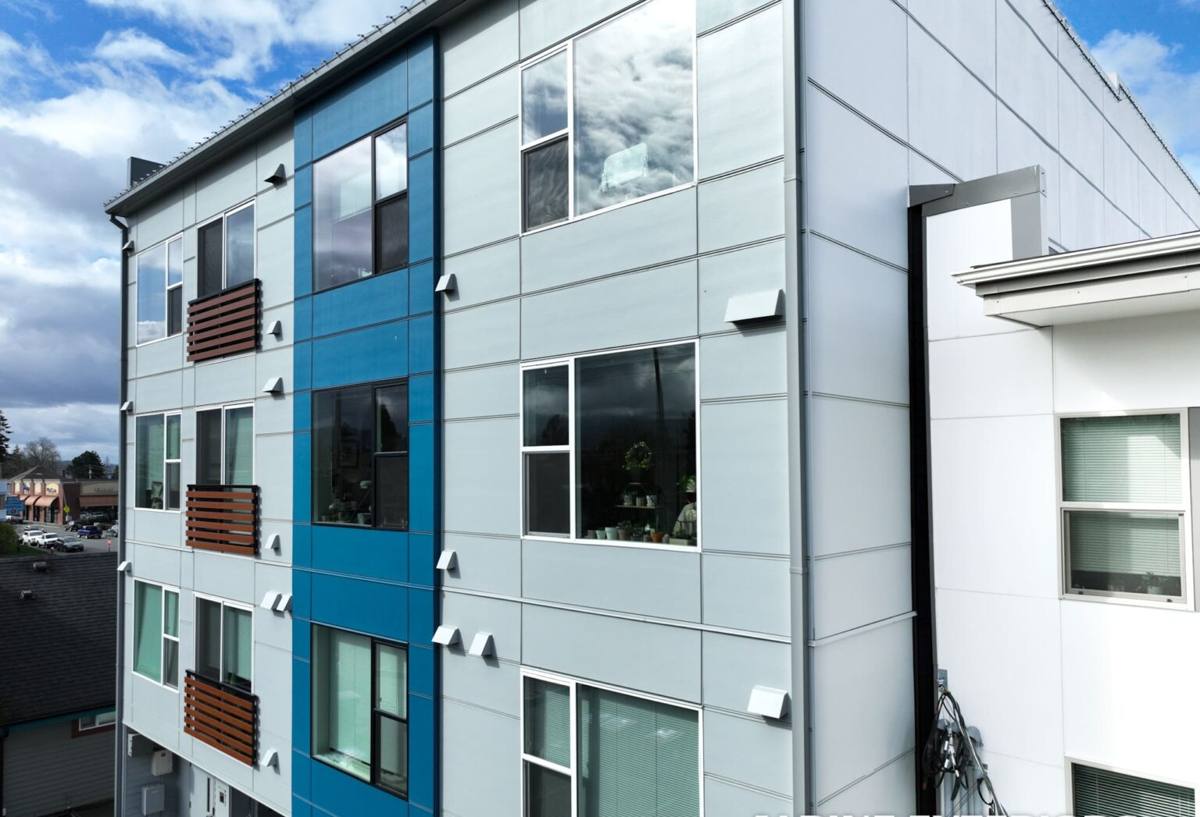
What Seattle Weather Does to Windows Over Time
Most window failures we see in Ravenna aren't caused by bad products — they're caused by installation that didn't account for the climate. Understanding the failure modes helps explain why the details matter so much here.
Driving Rain and Wind-Driven Water
Seattle rain is rarely a hard downpour — it's a steady, wind-pushed drizzle that can last for days. That pattern is actually harder on a window than a heavy storm, because wind-driven rain gets pushed sideways and upward against the frame, testing every seam, corner, and flashing detail repeatedly over a long soak instead of one short event. A window that isn't flashed correctly at the head and sill will eventually let water behind the trim, where it stays wet long after the rain stops.
Moss, Mildew, and Shade
Ravenna's mature tree canopy is part of what makes the neighborhood pleasant to live in, but it also means many homes get long stretches of shade and slower drying times after rain. Moss and mildew take hold on sills, trim, and cladding that don't get enough sun or airflow to dry out between storms. On wood-framed or wood-trimmed windows, that sustained moisture is what eventually leads to soft spots and rot — not one bad storm, but months of low-grade dampness with nowhere to go.
Temperature Swings and Condensation
Our region doesn't get extreme heat, but the gap between a cold, damp night and a warm, heated interior is enough to cause condensation on poorly insulated glass or frames. Persistent condensation on the interior side is often a sign of an aging window's seal failing or a frame with too little thermal break for our climate — not just "old glass."
What a Correct Custom Window Installation Involves
"Custom" in this context means the window is built to the exact rough opening and style of your home rather than a stock size — common in Ravenna's older bungalows, Tudors, and mid-century houses where openings were framed by hand and rarely match modern standard sizes. Getting the window itself right is only part of the job. The installation details are what actually determine whether it performs here.
Flashing and Water Management
Every opening needs a drainage plane that assumes water will eventually get past the outer seal — because in this climate, over enough years, it will. That means sill pans, properly lapped flashing tape installed shingle-style so upper layers overlap lower ones, and a weep path so any water that does get in can get back out instead of sitting against the framing.
Air and Water Sealing
Sealant is not a substitute for flashing — it's the second line of defense, not the first. We seal the exterior perimeter with a product rated for our temperature range and expect it to move with the building, and we air-seal the interior side separately so conditioned air isn't leaking out around the frame.
Fit and Squareness
A custom opening that's slightly out of square is common in older homes. Shimming and leveling the frame correctly before fastening is what keeps the sash operating smoothly for years instead of binding or letting daylight show at a corner within a season or two.
Choosing Materials and Styles for a Ravenna Home
There's no single "best" window material — the right choice depends on your home's age, your budget, and how much upkeep you want to take on. Here's how the common options compare for our climate specifically.
| Frame Material | Moisture Performance | Maintenance | Typical Fit |
|---|---|---|---|
| Vinyl | Good — won't rot, minimal upkeep | Low | Budget-conscious replacements, most home styles |
| Fiberglass | Very good — stable in wet/dry cycles, low expansion | Low | Larger openings, long-term durability priority |
| Wood-clad | Depends heavily on installation quality and upkeep | Higher — periodic finish maintenance | Historic-style homes wanting a true wood interior look |
| Aluminum | Prone to condensation without thermal break | Low | Modern styles, less common on older Ravenna homes |
For homes where matching a historic look matters, wood-clad or wood-interior windows can be the right call — but we're upfront that they carry a real maintenance commitment in a climate this wet. If you want that look with less upkeep, several manufacturers now offer composite and fiberglass options with wood-look interiors that hold up better to our moisture without the same refinishing schedule.
Glass and Energy Performance for Our Climate
Seattle doesn't get the cooling-season heat that drives window design in much of the country, so the glass package that makes sense here isn't the same one a sunbelt supplier defaults to. For most Ravenna homes, we prioritize a low U-factor — how well the window resists heat loss — over a low solar heat gain coefficient, since holding onto whatever heat gets in matters more than blocking it out. Double-pane low-E glass is the standard baseline for a code-compliant, comfortable replacement; triple-pane adds a real but incremental improvement, and is worth it mainly on north-facing walls or rooms where drafts and cold-spot complaints are the main issue rather than energy bills.
Argon or krypton gas fill between panes improves the insulating value further, and is worth asking about, but a poorly installed high-performance window will still underperform a well-installed mid-range one — which is the main reason we spend as much time on installation detail on this page as we do on the glass itself.
Our Process, Start to Finish
- On-site assessment — we measure every opening individually, check existing flashing and framing condition, and note any rot or water damage that needs addressing before new windows go in.
- Product selection — we walk through material, glass, and style options based on your home, your budget, and how the opening faces prevailing weather.
- Permitting — most straightforward replacements don't require a permit, but structural changes to an opening do; we handle that paperwork with the City of Seattle so you don't have to track it down.
- Removal and prep — old windows come out carefully, and we inspect the sill and framing underneath before anything new goes in, since that's the one point in the project where hidden water damage is actually visible.
- Installation — sill pan, flashing, shimming, fastening, and sealing, done in that order and never skipped for speed.
- Final walkthrough — we test operation on every window, check the interior and exterior seal by hand, and walk the job with you before we call it done.
Why a Local Ravenna Crew Matters
A crew that works this neighborhood regularly already knows what Ravenna's housing stock tends to look like behind the trim — where older homes commonly have undersized or missing flashing, which framing eras tend to be out of square, and how City of Seattle permitting works for window replacement versus a full opening change. That's not something you can fully substitute with a general contractor from outside the area learning it on your project. Being local also means we're not driving across the region for a warranty check or a follow-up adjustment — if something needs a look after the job is done, we're already working nearby.
Maintenance Checklist for Long-Term Performance
Once new windows are in, a little seasonal attention keeps them performing for their full service life in our climate.
- Clear debris and moss from sills and tracks each fall before the wet season sets in
- Check exterior caulk lines yearly for cracking or separation, especially on south- and west-facing walls that take the most weather
- Keep gutters and downspouts clear so roof runoff isn't sheeting down over window heads
- Wipe interior condensation promptly and check that trickle vents or weep holes aren't blocked
- Trim back vegetation that's shading sills and keeping them from drying between rains
- Operate every window through its full range a few times a year so hardware doesn't seize
What Custom Windows Typically Cost
Every project is different, but a few factors consistently drive the price on Ravenna jobs:
| Factor | Why It Matters |
|---|---|
| Opening size and shape | Non-standard or oversized openings cost more to custom-build correctly |
| Material choice | Vinyl is the most budget-friendly; wood-clad and fiberglass run higher |
| Number of windows | Whole-house replacement typically brings a better per-window cost than piecemeal jobs |
| Existing damage | Rot or water damage found during removal adds repair scope before new windows can go in |
| Glass package | Upgraded low-E or triple-pane glass adds cost but improves comfort and condensation resistance |
We give straightforward, itemized estimates so you can see what's driving the number rather than a single lump figure — and we'll always tell you honestly if a lower-cost option is a reasonable fit for your home instead of upselling a package you don't need.
If you're in Ravenna and dealing with drafty, foggy, or hard-to-operate windows, we're happy to take a look and give you a straightforward, no-pressure estimate — just fill out the form below.