 Seattle Siding
 Why Queen Anne Decks Wear Out the Way They Do
Queen Anne sits high above the rest of Seattle, and that elevation is part of the neighborhood's appeal — and part of what's hard on a deck. Homes on the upper slopes and along the west and south-facing edges of the hill get more direct exposure to wind coming off Puget Sound, which carries a fine mist of salt air that speeds up corrosion on fasteners, joist hangers, and any exposed metal hardware. Lower down, and on the shadier north-facing lots, the story is different but just as damaging: less sun, more standing moisture, and a moss season that can run from October through May.
Add in King County's steady driving rain and you get a deck that's rarely given a real chance to dry out between storms. Wood fibers stay swollen, fasteners work loose as the material moves, and moss and algae take hold on boards and railings, turning them slick and starting to break down the wood surface underneath. None of this happens overnight. It's a slow, cumulative process, which is exactly why so many Queen Anne decks look fine from a distance while hiding real structural problems underneath.
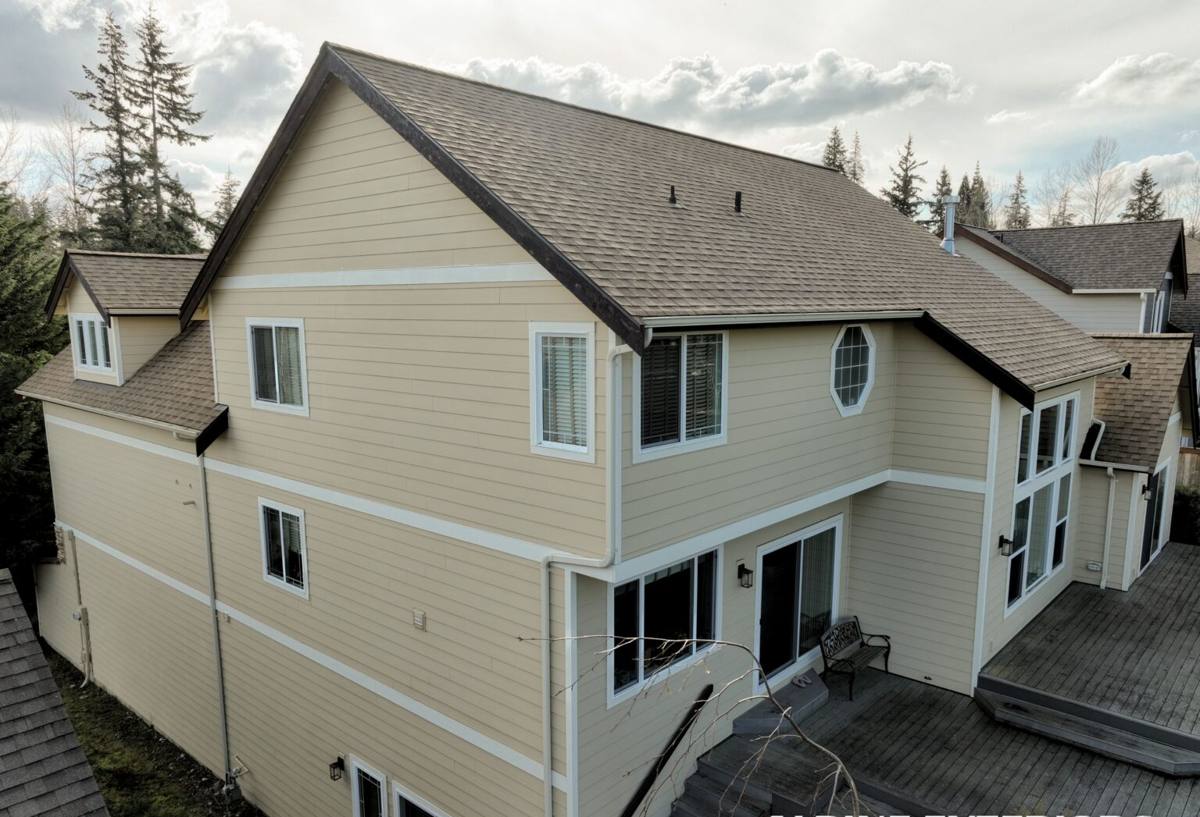
Signs a Queen Anne Deck Needs Replacement, Not Just Repair
Not every tired deck needs to be torn out. But there's a point where patching boards is throwing money at a structure that's already failed underneath. Here's what we look for during an inspection:
- Soft, spongy, or spring-loaded decking boards, especially near the house or in shaded corners
- A ledger board (where the deck attaches to the house) that's dark, swollen, or separating from the wall
- Rust streaking below joist hangers, bolts, or screws
- Visible mold, black staining, or moss growth that returns within weeks of cleaning
- Posts or footings that have shifted, settled, or show cracking at grade level
- Railings that flex or wobble under hand pressure
- A deck that was never properly flashed where it meets the house — a very common issue on older Queen Anne homes built before current moisture-barrier standards
If you're seeing two or more of these, especially anything involving the ledger board or footings, repair is usually a short-term fix on a structure that's already compromised. Replacement is the honest recommendation at that point.
What a Correct Deck Replacement Actually Involves
The Structure You Don't See
A deck that holds up in Seattle's climate is won or lost below the decking boards. That means proper ledger board flashing (a self-adhered membrane and metal flashing that keeps water from ever reaching the house's framing), corrosion-resistant joist hangers and fasteners rated for treated lumber, and footings sized and set to actually carry the load rather than just meeting the minimum. On a hillside lot, footing depth and placement matter even more, since soil conditions on Queen Anne's slopes can vary from one side of a yard to the other.
The Details That Prevent Moss and Rot From Coming Back
Ventilation underneath the deck, correct board spacing for drainage, and a slight slope away from the house all matter more here than in drier climates. A deck built without those details will look identical to a correctly built one on day one — the difference shows up two or three wet seasons later.
Choosing Materials for a Seattle Climate
There's no single "best" decking material — there's a best fit for your budget, your maintenance appetite, and how exposed your particular lot is to sun, wind, and moisture. We walk every homeowner through the honest trade-offs rather than pushing one product.
| Material | Upfront Cost | Maintenance in This Climate | Typical Lifespan |
|---|---|---|---|
| Pressure-treated lumber | Lowest | Needs cleaning and re-sealing every 1-2 years to resist moss and moisture | 15-20 years with upkeep |
| Cedar | Moderate | Needs regular cleaning, occasional staining; naturally moisture-resistant but still organic | 15-25 years with upkeep |
| Composite/PVC decking | Highest | Occasional washing to prevent surface algae; no staining or sealing required | 25-30+ years, per manufacturer warranty |
We're generally cautious about lower-grade composite products in this specific climate — some older composite formulations absorb moisture at the core over time and are prone to persistent algae staining in shaded, damp yards, which describes a lot of Queen Anne lots. When we recommend composite, we're specific about which product lines have a track record of shedding moisture well and resisting mold growth, and we're upfront if a given yard's shade and drainage make wood a more practical choice instead.
Steep Lots and View Decks: A Queen Anne-Specific Consideration
A large share of the work we do in this neighborhood isn't a simple ground-level deck — it's an elevated structure on a sloped lot, sometimes with a view of the Sound or the skyline that the homeowner specifically wants to preserve or open up. That changes the engineering. Taller decks carry more wind load, need deeper and more carefully placed footings, and often require guardrail and stair configurations that are more involved than a standard backyard deck at grade.
Access matters too. Narrow streets, limited parking, and steep driveways are just part of building on this hill, and it affects how materials get delivered and staged. A crew unfamiliar with the neighborhood will lose real time figuring this out on the fly — time that shows up in your final bill or your project timeline.
Permits and Code: What's Involved
Deck replacement in Seattle typically requires a permit through the city, particularly for any deck attached to the house, elevated above a certain height, or involving structural changes to footings or framing. Current residential codes generally call for guardrails on elevated decks, specific baluster spacing to prevent small children from passing through, and engineered connections at the ledger board. Requirements can vary depending on your deck's height, size, and whether it's attached or freestanding, so we confirm exactly what applies to your project before work starts rather than assuming.
Skipping the permit might save a little time upfront, but it can create real problems later — at resale, with insurance claims, or if the work doesn't hold up to inspection down the road. We pull the appropriate permits as part of the job.
Our Deck Replacement Process
- On-site inspection: We assess the existing deck's framing, ledger, footings, and any moisture or rot damage, and check what's happening structurally, not just cosmetically.
- Honest scope and material recommendation: We tell you what actually needs replacing versus what could be reused, and walk through material trade-offs for your specific lot's sun and drainage.
- Permitting: We handle the paperwork with the city so the project is done to code from the start.
- Demolition and disposal: The old structure comes out cleanly, and we check the ledger area and framing underneath for hidden water damage before rebuilding.
- Rebuild: Proper flashing, corrosion-resistant hardware, correctly sized footings, and board spacing built for drainage — the parts that determine whether this deck lasts.
- Final walkthrough: We go over the finished deck with you, including basic maintenance guidance specific to the material you chose.
Why Local Experience on This Hill Actually Matters
Queen Anne isn't a uniform neighborhood — a deck on the flatter top of the hill faces different wind and sun exposure than one built into a slope near the water-facing side. A crew that's worked here before already understands which lots tend to hold moisture, which sides of the hill see the worst salt air exposure, and how to plan around narrow streets and limited staging space without it turning into a scheduling headache. That experience translates into fewer surprises mid-project and a deck that's actually built for the conditions it'll face, not a generic template.
Protecting Your New Deck From Moss and Moisture Going Forward
Even the best-built deck benefits from a little seasonal attention in this climate. A yearly cleaning to clear moss and organic debris before it takes hold, keeping gutters clear so runoff isn't draining directly onto the deck surface, and trimming back overhanging branches to let more light and air reach shaded areas will all extend the life of whatever material you choose. We go over a maintenance schedule specific to your new deck at the end of the project.
If your current deck is showing its age, or you're just not sure whether it's a repair or a replacement situation, we're glad to take a look. Fill out the form below for a free, no-pressure estimate — we'll give you a straight answer either way.