 Seattle Siding
 Why Board & Batten Fits Redmond Homes
Board and batten has become one of the most requested siding profiles in Redmond, and it's not just a style trend. The vertical lines pair well with the mix of modern farmhouse, craftsman, and contemporary builds going up and being remodeled across this part of King County. It also works as an accent — a gable end, a porch surround, a second-story pop-out — paired with horizontal lap siding on the rest of the house. Done correctly, it reads as clean and intentional. Done wrong, board and batten is one of the least forgiving profiles out there, because every seam, every batten strip, and every joint is a place water can find its way behind the cladding.
That matters more here than in drier parts of the country. Redmond sits inside a marine climate pattern — long stretches of driving rain in the fall and winter, humidity that lingers into the shoulder seasons, and enough shaded, moisture-holding conditions on tree-lined lots to grow moss on almost anything that stays damp. A board and batten installation has to be built for that reality from the first course, not patched for it later.
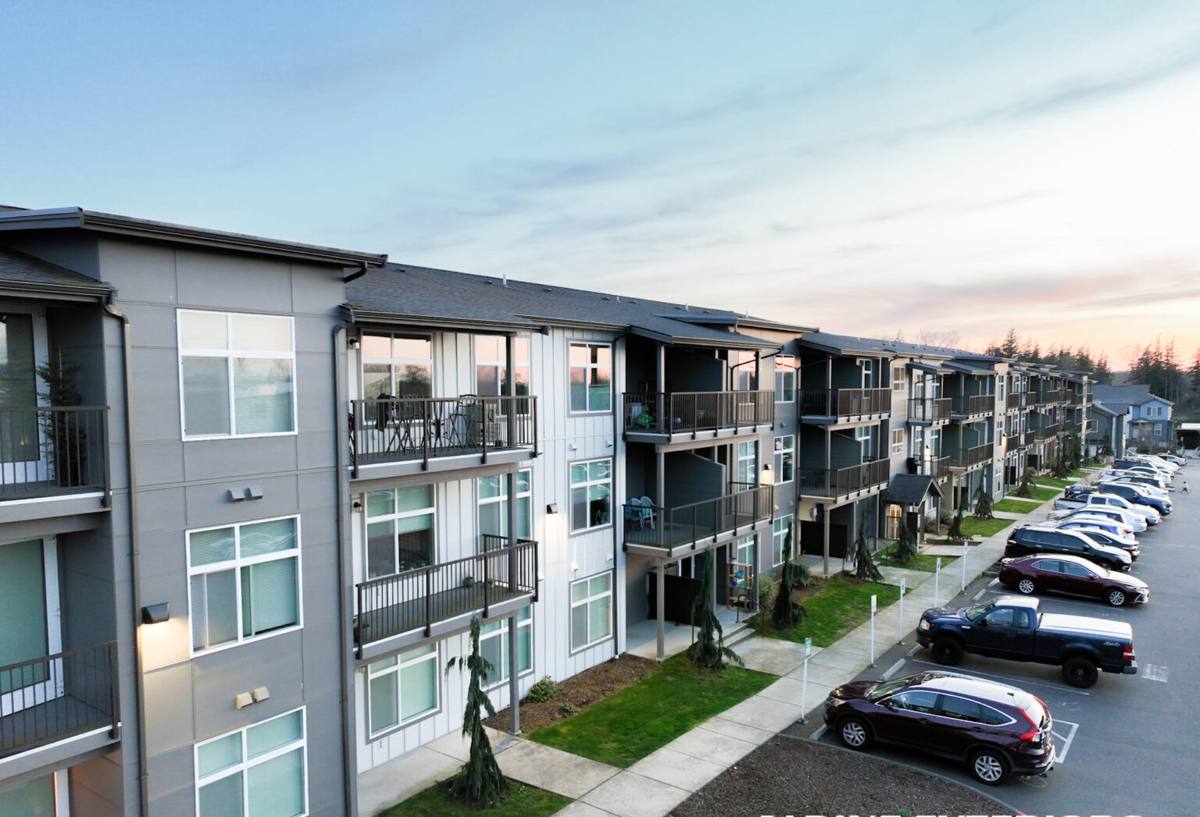
What the Local Climate Does to Vertical Siding Over Time
Driving Rain and Wind-Driven Moisture
Board and batten relies on vertical seams covered by narrow strips of trim. Every one of those seams is a potential water path if it isn't backed and flashed properly. In a climate where rain regularly comes in at an angle rather than straight down, a batten that's just face-nailed over a butt joint — without the right underlayment and gapping — will eventually let moisture behind the panel. Once water gets behind fiber cement, vinyl, or wood board and batten, it has nowhere to go, and that's when you start seeing staining, panel cupping, or rot in the sheathing behind it.
Moss and Sustained Dampness
The Puget Sound region's long wet season, combined with shade from mature trees on a lot of Redmond properties, creates ideal conditions for moss and algae growth on siding — especially on north-facing walls and anywhere batten strips create a horizontal ledge for debris and moisture to sit. Moss itself doesn't destroy fiber cement the way it can degrade wood, but it holds moisture against the surface longer than the siding would otherwise see, which shortens the life of caulking, accelerates finish wear, and can stain paint over time.
Marine Air and Coastal Influence
Homes throughout the greater Seattle area sit under a marine air pattern that carries salt-tinged moisture off the Sound, and that damp, mineral-laden air is part of why untreated wood and lower-grade composite products age faster here than in an inland, dry climate. It's one more reason material choice and installation detailing matter more in this region than in most.
What a Correct Board & Batten Installation Actually Involves
A lot of the failures we get called out to inspect in Redmond aren't material failures — they're installation shortcuts. Board and batten has more seams and more fasteners per square foot than a standard lap siding job, which means more opportunities to get it wrong if the crew is moving fast.
- Weather-resistive barrier first: A continuous, properly lapped house wrap or building paper behind the panels, with seams taped and penetrations sealed before a single panel goes up.
- Rain screen gap where called for: A drainage gap between the wrap and the siding lets any moisture that does get behind the cladding drain and dry instead of sitting against the sheathing.
- Proper panel gapping: Fiber cement panels need expansion clearance at every joint, corner, and opening per the manufacturer's spec — tight-butted panels are a common cause of buckling.
- Flashing at every horizontal transition: Window heads, roof-to-wall intersections, and belly bands all need metal flashing, not just caulk, to shed water down and away from the wall assembly.
- Correct fastener pattern: Battens and base panels fastened per spec, into structural framing, with corrosion-resistant fasteners rated for the coastal-influenced Puget Sound air.
- Factory-finished edges and cut ends sealed: Any field-cut panel edge gets sealed before installation so raw material isn't left exposed to the weather.
James Hardie Board & Batten vs. Other Materials
We only install James Hardie fiber cement, and board and batten is one of the profiles where that decision matters most, because the vertical seams and trim strips put more stress on whatever material sits behind them.
| Material | How It Handles Redmond's Wet Climate | Longer-Term Consideration |
|---|---|---|
| James Hardie fiber cement | Non-combustible, engineered for moisture cycling, factory-baked ColorPlus finish resists the fading and touch-up patchwork that shows on painted siding | Correct installation is critical, but the material itself doesn't rot, swell, or feed moss the way wood does |
| Cedar / primed wood | Handsome initially, but end grain and seams absorb moisture in a climate with this much sustained rain and humidity | Needs recurring paint or stain maintenance and is more vulnerable to rot at battens and joints over time |
| Vinyl | Sheds water well but can warp or become brittle with temperature swings, and vertical vinyl board and batten profiles are limited in how crisp the trim lines look | Not repairable in sections the way fiber cement is; full panels usually need replacing |
| LP SmartSide / other engineered wood | Wood-strand core is more moisture-sensitive at cut edges and seams than fiber cement | Depends heavily on caulking and paint maintenance staying current in a region that doesn't give siding much of a dry season |
We made the call years ago to standardize on Hardie because it holds up to the installation demands of profiles like board and batten without asking the homeowner to maintain it as tightly as wood or lower-grade composites. It's not the cheapest material on the market, but it's the one we're willing to warranty our work behind.
Our Redmond Installation Process
- On-site assessment: We look at the wall assembly, existing siding condition, moisture history (staining, soft spots, moss buildup), and how the house is oriented to prevailing wind and rain.
- Tear-off and sheathing check: Old siding comes off and we inspect the sheathing underneath for hidden rot or water damage before anything new goes up.
- Weather barrier installation: New house wrap or building paper, taped and detailed at every penetration.
- Flashing and drainage detailing: Window heads, transitions, and any horizontal breaks get flashed before panels go on.
- Hardie panel and batten installation: Panels and battens installed to manufacturer spec — proper gapping, fastener pattern, and corner detailing.
- Final inspection and walkthrough: We check seams, caulking, and finish, then walk the job with the homeowner.
Mistakes We Commonly See on Board & Batten Jobs in This Area
Board and batten's clean look hides a lot of installation shortcuts until the first wet season exposes them. Some of the recurring issues on jobs we've inspected or replaced in the greater Seattle area:
- Battens face-nailed directly over panel seams with no gap or backing, trapping moisture at the joint.
- Missing or undersized flashing above windows and at roof-wall intersections, which is where a lot of hidden leaks in this climate actually originate.
- No rain screen gap, so any incidental moisture behind the panel has nowhere to drain or dry.
- Cut panel edges left unsealed, which lets moisture wick into the fiber cement at the exposed edge.
- Caulk used in place of flashing at horizontal transitions — caulk fails long before metal flashing does.
Maintenance Checklist for Board & Batten in a Wet Climate
A correctly installed Hardie board and batten system is low-maintenance, but "low" isn't "none." A short seasonal routine keeps it performing the way it should through Redmond's wet months:
- Rinse siding once or twice a year, especially shaded or north-facing walls, to keep moss and algae from establishing.
- Check and re-caulk joints around windows, doors, and trim every few years — caulk is a maintenance item even on a well-built wall.
- Trim back vegetation and tree limbs that keep a wall shaded and damp longer than the rest of the house.
- Look at gutters and downspouts each fall — overflow during heavy rain is one of the most common causes of localized siding damage.
- Have any visible staining, soft spots, or panel movement inspected promptly rather than waiting for the next dry season.
What Affects the Cost of a Board & Batten Project
| Factor | Why It Moves the Price |
|---|---|
| Full wall vs. accent application | Board and batten as a full-house treatment costs more per square foot than using it as a gable or entry accent alongside lap siding |
| Existing wall condition | Hidden rot or moisture damage found during tear-off adds sheathing repair before new siding can go on |
| House complexity | Dormers, multiple gables, and cut-ins around windows and trim take more time per panel than a simple flat wall |
| Batten spacing and trim detail | Tighter batten spacing and wider trim boards use more material and labor than a standard layout |
| Color and finish selection | Factory ColorPlus finishes add cost over primed panels but remove the need for an on-site paint job |
Why a Crew That Already Works Redmond Matters
Board and batten is unforgiving of shortcuts, and the climate here doesn't give a poorly detailed installation much time before problems show up. A crew that already works this part of King County has seen how local wall assemblies behave through a full wet season — where moss tends to build up first, which orientations catch the worst of the driving rain, and what a wall looks like after it's been fighting sustained moisture for a few years rather than a few months. That local pattern recognition is what separates a board and batten job that still looks sharp in year eight from one that's already showing staining and seam trouble by year three.
If you're considering board and batten siding for a Redmond home, we're happy to take a look at the project, walk you through what correct installation involves for your specific house, and give you a straightforward estimate — no pressure, no sales script. Reach out and we'll get you scheduled for a free assessment.