 Seattle Siding
 Rainier Valley's Climate Is Harder on Windows Than It Looks
Rainier Valley doesn't get talked about the same way as Seattle's waterfront neighborhoods, but the weather doesn't treat it any easier. Months of driving rain settle in every fall and winter, humidity lingers into spring, and a long moss season coats sills, tracks, and exterior trim in green growth that holds moisture against wood and vinyl far longer than a dry climate ever would. Add in the salt-tinged air that drifts across the wider Puget Sound region, and even homes set well back from open water see slow corrosion on hardware, hinges, and metal frame components over the years.
Rainier Valley's housing stock adds another layer. The neighborhood has a broad mix of early-to-mid-20th-century bungalows, later mid-century houses, and newer infill construction sitting side by side. A lot of the older homes still have original wood windows or aluminum replacements installed decades ago, neither of which was built to today's energy or moisture-management standards. When those windows finally fail, they don't fail quietly — you get soft wood, fogged glass, and drafts that show up on the heating bill long before they show up as an obvious problem.
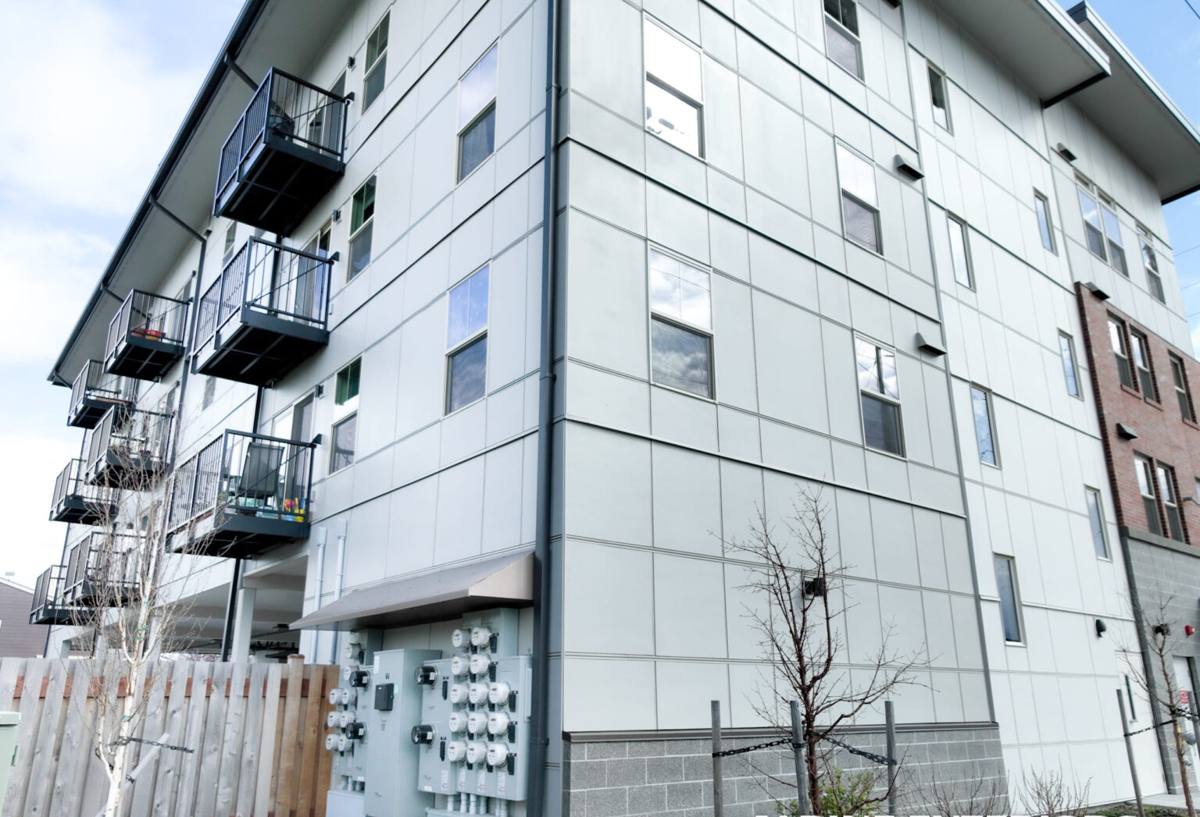
Signs a Rainier Valley Window Has Reached the End of Its Life
Windows rarely fail all at once. In this climate, the tells usually show up gradually, and it's easy to write them off as normal aging until they start costing real money.
- Fog or haze trapped between panes of a double-pane window — the seal has failed and can't be repaired, only replaced
- Soft, spongy, or discolored wood at the sill, corners, or bottom rail
- A draft you can feel with your hand near the frame on a windy or rainy day
- Windows that stick, won't stay open, or have been painted shut
- Cracked, shrunken, or missing exterior caulk and visible gaps between frame and siding
- Moss, algae, or persistent mildew building up on sills or in the tracks
- A noticeable jump in heating costs with no other explanation
Any one of these on its own might just mean a repair. Several at once, especially on original wood or older aluminum units, usually means it's time to replace rather than keep patching.
What a Correct Window Replacement Actually Involves
Full-Frame vs. Insert Replacement
The first real decision isn't which brand of window to buy — it's whether the existing frame is sound enough to build into, or whether it needs to come out entirely. An insert (or "pocket") replacement fits a new window into the existing frame and is faster and less invasive, but it only makes sense when that frame is still solid, square, and free of rot. A full-frame replacement removes everything down to the rough opening, which costs more and takes longer but is the only honest option when there's water damage, a frame that's out of square, or an opportunity to correct a flashing problem that's been letting moisture in for years. Skipping this assessment and defaulting to whichever method is cheaper or fastest is how homeowners end up paying for the same window twice.
Flashing and Water Management
In a climate that sees this much rain, how a window is flashed matters more than what brand is on the label. Water needs a clear, uninterrupted path down and out of the wall assembly — behind the exterior trim, over the sill pan, and away from the sheathing. That means integrating new flashing tape and a sill pan with the existing weather-resistive barrier correctly, not just caulking the outside edge and calling it sealed. Caulk is a backup layer, not the primary defense. A window that's been "sealed" with caulk alone in place of proper flashing is a slow leak waiting to happen, and it usually shows up as rot two or three years later, well after the crew that did the work is gone.
Fit, Insulation, and Finish Work
Between the new frame and the rough opening there has to be a gap filled with the right low-expansion insulation — not stuffed with excess material that bows the frame, and not left as an open gap that lets air and moisture through. Interior and exterior trim then gets reset or replaced to match the surrounding siding and casing, and the old unit and packaging get hauled off the property. None of this is complicated, but it's the kind of detail work that separates a window that performs for decades from one that needs attention again in a few years.
Choosing a Window Material for This Climate
There's no single "best" window material — the right choice depends on the home's age, exposure, and how much upkeep the homeowner wants to take on. Here's how the common options actually compare in a wet, moss-prone climate like Rainier Valley's.
| Material | Moisture Performance | Maintenance | General Notes |
|---|---|---|---|
| Vinyl | Handles moisture well; won't rot | Low — occasional cleaning | Most affordable option; good energy performance for the price |
| Fiberglass | Excellent; very stable in wet/dry cycles | Low | Higher upfront cost; holds paint well if a custom color is wanted |
| Wood-clad | Good on the exterior-clad side; interior wood needs protection from condensation | Moderate — interior finish upkeep | Traditional look for older homes; more installation-sensitive around seals |
| Aluminum (older stock) | Poor thermal performance; prone to condensation | Low, but doesn't solve moisture issues | Common in mid-century replacements; usually the reason for a call today |
We don't push one material as the answer for every house. We'll walk through what's actually on your home, what the frame and opening can support, and what tradeoff between upfront cost and long-term upkeep makes sense for your situation — not a one-size-fits-all recommendation.
Our Process, Start to Finish
- On-site assessment. We look at the existing windows, frames, and any signs of water intrusion before recommending insert versus full-frame replacement.
- Measurements and product selection. Exact measurements are taken, and we go over material, glass, and energy-performance options together — no pressure toward the most expensive option.
- Scheduling around the weather. Seattle's rain schedule doesn't always cooperate. We plan install days and sequence the work so openings aren't left exposed longer than necessary, and we use weather-appropriate techniques when a dry stretch isn't available.
- Removal and installation. Old units come out, the opening is inspected and corrected if needed, and the new window goes in with proper flashing, insulation, and sealant — not shortcuts.
- Trim and finish work. Interior and exterior trim is reset to match the home, and all sealant lines are finished cleanly.
- Walkthrough and cleanup. We check operation on every window with you before we consider the job done, and the property is cleaned up — old windows, packaging, and debris hauled away.
Permits and Older Homes in Seattle
Most straightforward window replacements — swapping a window for one of a similar size in the same opening — don't require a permit in Seattle. That changes if the project alters the size of the opening, affects a required egress window, or is part of a larger structural change, in which case King County and City of Seattle rules do apply and we'll flag that during the estimate rather than let it surprise you later. For homes built before 1978, federal lead-safe work practice rules apply to any disturbance of painted surfaces, which covers a lot of the older housing in this part of Seattle. We follow those containment and cleanup practices as standard procedure, not as an upsell.
What Affects the Cost
We're not going to quote a number here, because a legitimate quote depends on what's actually on your house. What we can do is lay out the factors that move the price up or down so you know what to expect before an estimate.
| Factor | Effect on Cost |
|---|---|
| Insert vs. full-frame replacement | Full-frame costs more due to added labor and trim work, but is sometimes the only correct fix |
| Window size and count | Larger openings and whole-house projects change per-unit and total pricing |
| Material | Vinyl is generally the most affordable; fiberglass and wood-clad cost more upfront |
| Existing damage | Rot or water damage found during removal adds repair time before the new window can go in |
| Access and complexity | Second-story windows, tight side yards, or unusual shapes take longer |
| Disposal | Hauling and disposing of old units and materials is part of a complete quote |
As a very rough sense of scale, a single standard window replacement typically lands somewhere from several hundred to a couple thousand dollars depending on those factors — full-house projects scale from there. The only way to get a real number is a walkthrough of your specific windows.
Why a Crew That Already Works in Rainier Valley Matters
A contractor who works this neighborhood regularly has already seen how its housing stock ages — which decades of construction tend to have which frame issues, how the local moss and moisture cycle plays out on sills and siding, and what King County and Seattle permitting actually requires versus what gets assumed. That familiarity shows up in fewer surprises during a project: fewer change orders from unexpected rot, better scheduling around the rain, and a faster response if a follow-up question comes up after the job is done. It's not a substitute for doing the installation correctly — that part doesn't change by zip code — but it does mean less guesswork and fewer generic assumptions applied to a house that doesn't quite match them.
If your windows are drafty, fogged, hard to operate, or just original to a home that's due for an upgrade, we're glad to take a look. Estimates are free, there's no pressure to commit on the spot, and you'll get a straight answer about whether replacement or repair makes more sense for your specific windows — just fill out the form below to get started.